May 30
Did You Know?
Why Time Seems to Move Faster as You Get Older
Adobe Stock/alswart
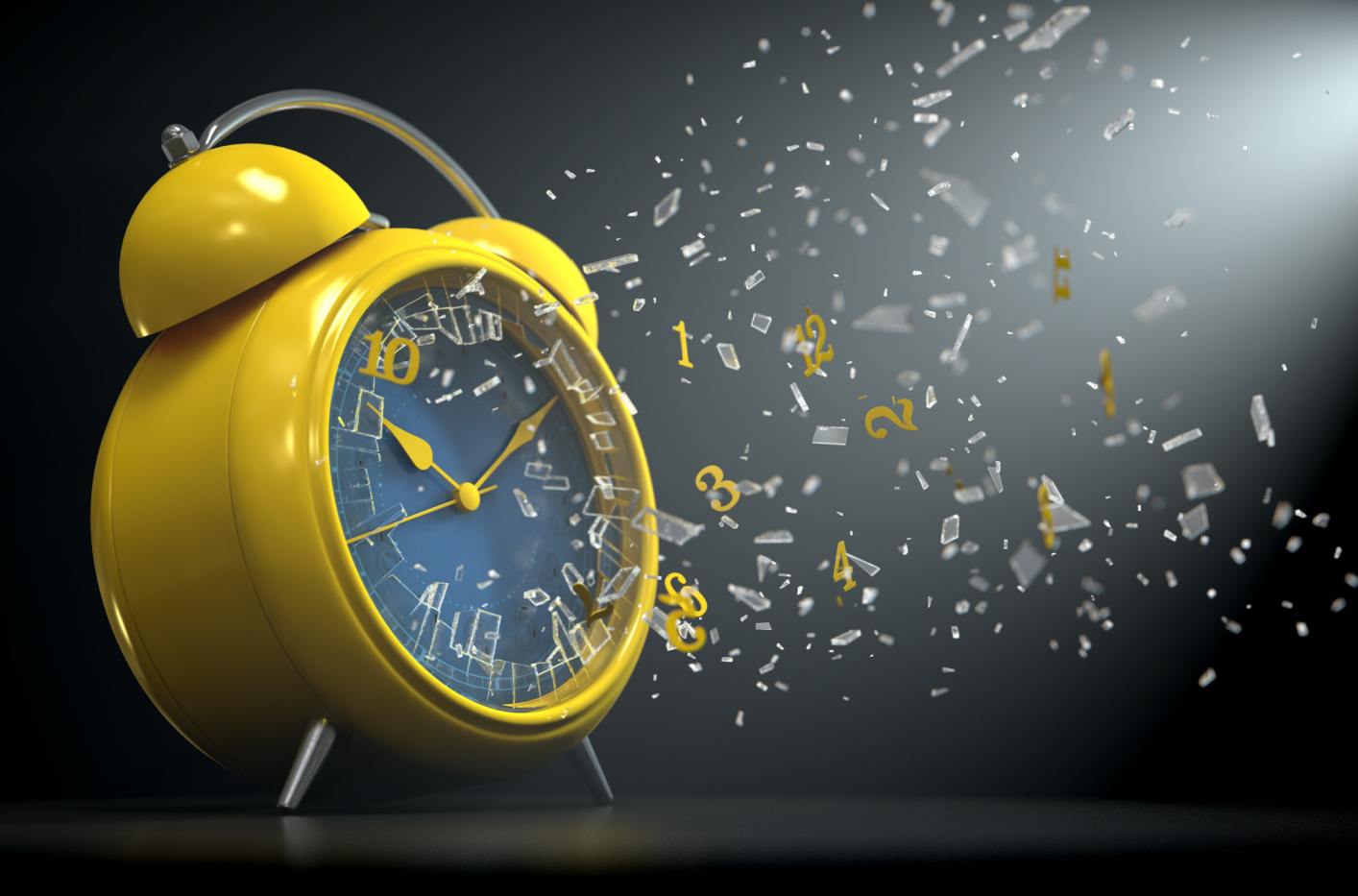
Remember when summer felt like it lasted forever?
When the time between birthdays seemed endless? When a school year felt like a lifetime and waiting for Christmas felt almost impossible?
Then something happened.
The years started flying by.
One day you’re celebrating a milestone birthday, and the next you’re wondering how it’s already June, already summer, already halfway through another year.
If you’ve ever thought, “Where did the time go?” you’re not imagining it.
Science suggests there may be a reason time seems to speed up as we get older.
Your Brain Loves New Experiences
One of the leading theories has to do with how our brains process memories.
When we’re young, nearly everything is new. First days of school. First friendships. First vacations. First jobs. First experiences of every kind.
Because these moments are novel, the brain pays close attention and creates detailed memories.
The more memories your brain creates, the fuller and longer a period of time feels when you look back on it.
As adults, however, life often becomes more routine.
We drive the same roads. Work similar schedules. Visit familiar places. Days begin to blend together.
When fewer unique memories are formed, our brains tend to perceive time as passing more quickly.
In other words, it’s not necessarily that time is moving faster.
It’s that our brains are recording less of it.
The Percentage Effect
Another theory involves perspective.
For a five-year-old, one year represents 20 percent of their entire life. That’s a huge chunk of time.
For a 50-year-old, one year represents just 2 percent.
As we age, each year becomes a smaller fraction of our overall life experience. Psychologists believe this may contribute to the feeling that time is accelerating.
It’s the same length of time.
It just feels different.
Routine Can Make Life Feel Shorter
Interestingly, the very routines that help our brains operate efficiently can also make time feel compressed.
When days are predictable, the brain can operate on autopilot. That’s helpful for productivity, but it can reduce the number of memorable experiences that stand out.
Think about a vacation.
Even a short trip can feel longer than an ordinary week because everything is different. New sights. New foods. New conversations. New experiences.
Your brain pays attention.
And when it pays attention, time feels richer.
The Good News? You Can Slow It Down
Not literally, of course.
But you can influence how you experience it.
Researchers suggest that trying new things, learning new skills, exploring unfamiliar places, and breaking routines can help create stronger memories and make life feel fuller.
Take a different route home.
Read a book on a topic you’ve never explored.
Visit a new town.
Learn a hobby.
Have a conversation with someone whose experiences differ from your own.
Small changes can create memorable moments, and memorable moments help stretch our perception of time.
Making the Most of the Time We Have
Perhaps the real lesson isn’t about slowing time down.
It’s about paying attention.
Because the moments we remember most aren’t always the biggest.
They’re often the moments we fully experience.
The laughter around a dinner table.
A walk with a friend.
A beautiful sunset.
An unexpected adventure.
So if life feels like it’s moving a little too fast lately, try something new.
Create a memory.
Give your brain something worth holding onto.
You may not be able to stop time.
But you can make it feel a little fuller.
RECENT
Fall Into Wellness: Creating a Healthier Autumn Routine
Health & Wellness

How to Prepare for Holiday Stress Before It Takes Over
Fitness
🇺🇸 Why the Liberty Bell Doesn’t Actually Ring Anymore
Did You Know?

A Rock Star’s Road to Redemption
Entertainment
New York Community Replaces Defaced Declaration Replica
America
How Four Seconds Can Help Calm the Mind
Friday Fuel

Heather Jenkins and The Power of Intentional Rest
Health & Wellness
Kentucky Bridge Project Gets $24M Boost
American Infra
Arizona Extends Farm Water Fee Relief
In The States

Macaroni, Dive Bars and Sundaes: July 7 Gets Weird
Offbeat Observances
BE THE FIRST TO KNOW
Want to stay in the loop? Be the first to know! Sign up for our newsletter and get the latest stories, updates, and insider news delivered straight to your inbox.

More Content By
Think American News Staff🇺🇸 Why the Liberty Bell Doesn’t Actually Ring Anymore
Did You Know?
A Rock Star’s Road to Redemption
Entertainment
New York Community Replaces Defaced Declaration Replica
America
Kentucky Bridge Project Gets $24M Boost
American Infra
Arizona Extends Farm Water Fee Relief
In The States
Michigan Storm Recovery Gets Bipartisan Federal Boost
In The States

Canada Says Goodbye To Country Gentleman Tommy Hunter
Entertainment
PA Lawmakers Focus on Energy
Energy

John Adams Saw America’s Future Before Anyone Else
America
The Revolutionary Ideas Behind July 4
Did You Know?
View All Content By Think American News Staff