May 09
Did You Know?
Why Your Brain Loves Routine (Even If You Don’t)
Adobe Stock/VectorMine

Ever notice how some days feel mentally exhausting before they’ve barely begun?
It may not be your workload causing the problem.
It could be your brain getting overwhelmed by too many decisions.
While routines are often seen as boring or restrictive, science suggests the opposite may be true. In many ways, your brain actually craves routine because it helps conserve energy, reduce stress, and improve focus.
And the more unpredictable life feels, the more valuable routine becomes.
Your Brain Is Constantly Making Decisions
From the moment you wake up, your brain is working.
What to wear. What to eat. Which email to answer first. Whether to go to the gym. What route to take home.
These choices may seem small, but together they create something psychologists often refer to as “decision fatigue.” The more decisions your brain makes throughout the day, the harder it becomes to focus, think clearly, and maintain self-control.
That’s where routines help.
By automating repeated tasks and behaviors, routines reduce the number of decisions your brain has to process. And that saves mental energy for the things that matter most.
Habits Create Mental Efficiency
Think about how little effort it takes to brush your teeth or tie your shoes.
That’s because repeated actions eventually move from active decision-making into automatic behavior. Your brain loves this because it allows tasks to be completed with less effort and less stress.
In other words, routines free up mental space.
This is one reason many high-performing individuals—from athletes to business leaders—stick to consistent routines. It’s not because they lack creativity. It’s because structure helps reduce unnecessary mental clutter.
Routine Can Reduce Stress
There’s also comfort in predictability.
When life feels chaotic or uncertain, routines create stability. Even small habits—like making your coffee the same way each morning or taking a walk after dinner—can help signal safety and normalcy to the brain.
Research has shown that consistent routines can help lower stress and improve overall emotional well-being. Sleep routines, in particular, play a major role in helping regulate mood, energy, and focus.
Your brain likes knowing what comes next.
Structure Doesn’t Mean Boring
Of course, routine doesn’t mean every day has to look exactly the same.
The healthiest routines often create balance: enough structure to reduce stress, but enough flexibility to allow for spontaneity and growth.
In fact, routines can actually make creativity easier because they remove unnecessary distractions and mental overload.
When your brain isn’t exhausted by constant decision-making, it has more energy available for problem-solving, learning, and innovation.
Small Habits Make a Big Difference
The good news is you don’t need a perfectly organized life to benefit from routine.
Small, consistent habits can make a meaningful impact.
Going to bed at the same time. Preparing for the next day the night before. Taking a daily walk. Setting aside uninterrupted time to focus.
These routines may seem simple, but over time they help your brain work more efficiently—and help you feel more grounded.
So if life has been feeling mentally noisy lately, consider this:
Your brain may not need more stimulation.
It may just need a little more structure.
RECENT

Creating a Cozy Home That Supports Your Well-Being
Health & Wellness

5 Easy Ways to Prepare for the Next Season Before It Takes Over
Health & Wellness

Your 40s Aren’t Just About Hormones — They’re About Your Heart
Uncategorized

Wellness Benefits of Pumpkin Season
Health & Wellness

Fall Into Wellness: Creating a Healthier Autumn Routine
Health & Wellness

How to Prepare for Holiday Stress Before It Takes Over
Fitness
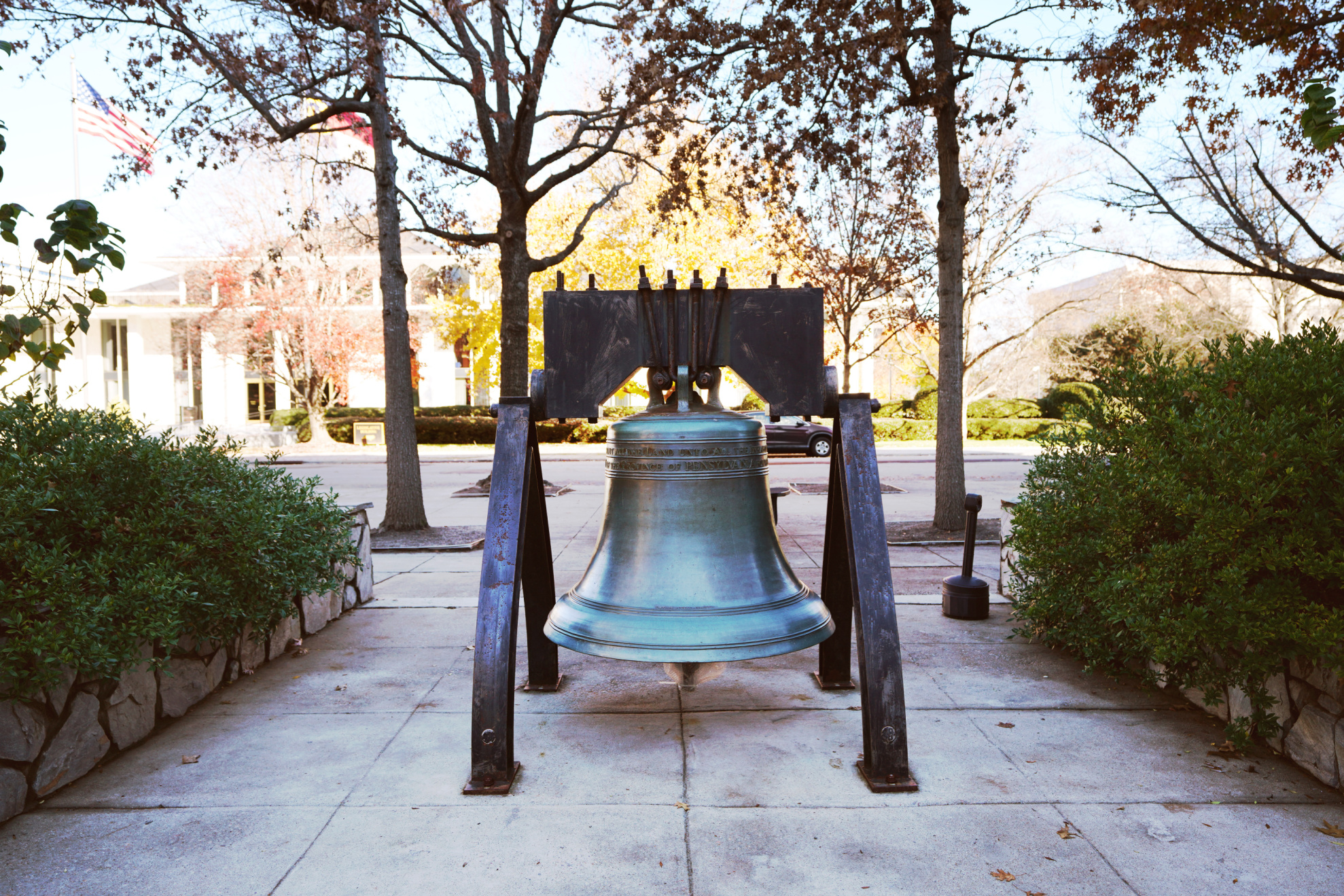
🇺🇸 Why the Liberty Bell Doesn’t Actually Ring Anymore
Did You Know?

A Rock Star’s Road to Redemption
Entertainment

New York Community Replaces Defaced Declaration Replica
America
How Four Seconds Can Help Calm the Mind
Friday Fuel
BE THE FIRST TO KNOW
Want to stay in the loop? Be the first to know! Sign up for our newsletter and get the latest stories, updates, and insider news delivered straight to your inbox.

More Content By
Think American News Staff🇺🇸 Why the Liberty Bell Doesn’t Actually Ring Anymore
Did You Know?
A Rock Star’s Road to Redemption
Entertainment
New York Community Replaces Defaced Declaration Replica
America

Kentucky Bridge Project Gets $24M Boost
American Infra

Arizona Extends Farm Water Fee Relief
In The States
Michigan Storm Recovery Gets Bipartisan Federal Boost
In The States

Canada Says Goodbye To Country Gentleman Tommy Hunter
Entertainment

PA Lawmakers Focus on Energy
Energy

John Adams Saw America’s Future Before Anyone Else
America

The Revolutionary Ideas Behind July 4
Did You Know?
View All Content By Think American News Staff