Adobe Stock/Andrii Zastrozhnov
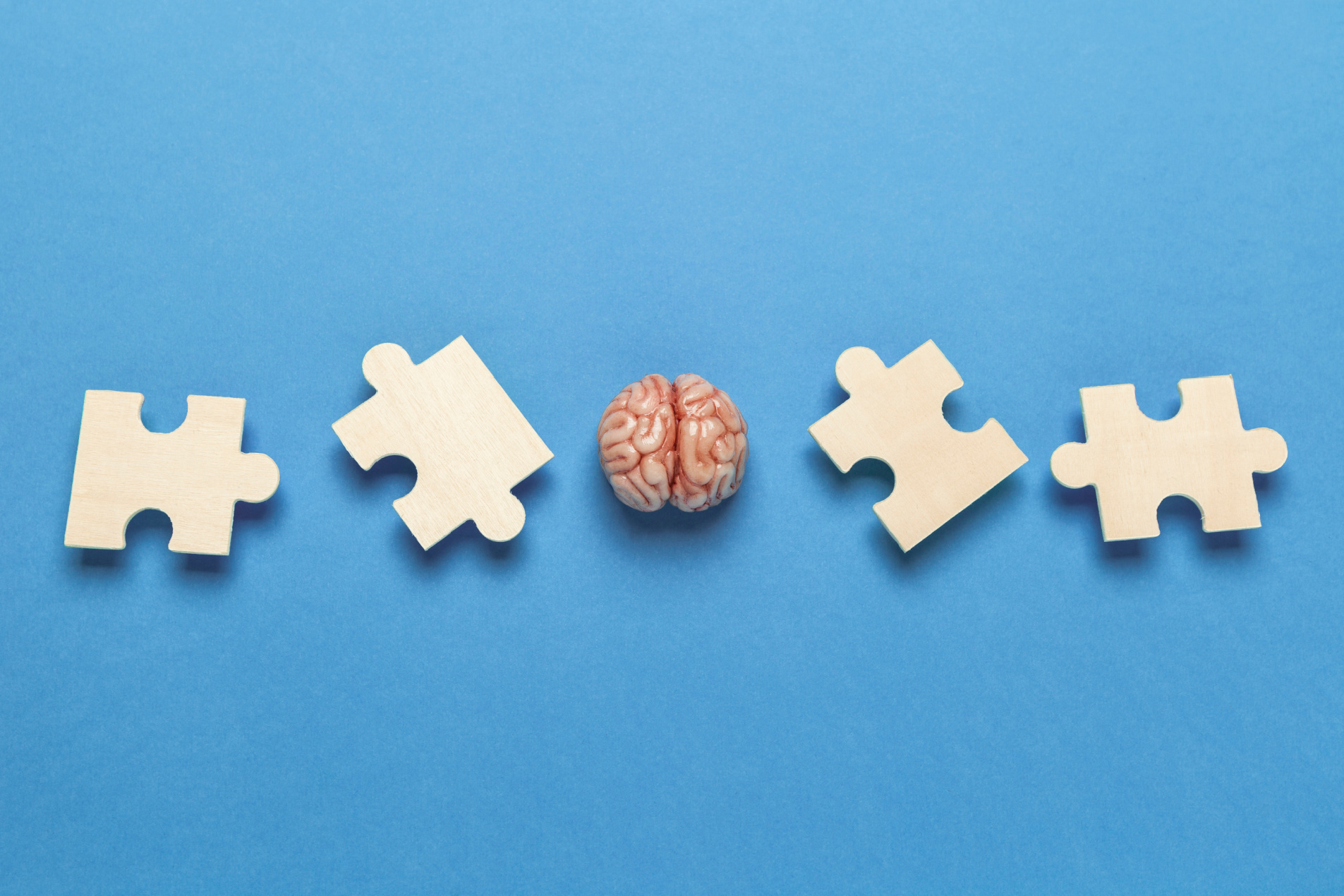
It turns out your brain isn’t designed to remember everything equally.
In fact, science shows that memories tied to strong emotion, surprise, or personal meaning are far more likely to stick with us over time. That’s because memory isn’t just about information—it’s about impact.
And some moments leave a bigger imprint than others.
Your Brain Prioritizes Emotion
When something emotional happens, your brain pays attention.
Moments tied to joy, fear, excitement, embarrassment, grief, or surprise activate a part of the brain called the amygdala, which helps process emotional responses. At the same time, the hippocampus—responsible for forming memories—gets a signal that this moment matters.
The stronger the emotional response, the stronger the memory often becomes.
That’s why many people can vividly remember where they were during major life events, emotional conversations, or unforgettable experiences years later.
Emotion acts like a highlighter for the brain.
Novelty Makes Memories Stick
Your brain also remembers things that break routine.
A typical Tuesday may blur together over time because nothing stood out. But a completely unexpected moment—a surprise trip, an unusual event, or even an awkward interaction—gets stored differently because it interrupts your brain’s normal patterns.
Novel experiences force the brain to become more alert and engaged, making it easier to encode those moments into long-term memory.
In other words, your brain remembers what feels different.
The Senses Play a Powerful Role
Have you ever smelled something and instantly been transported back to childhood?
That’s because smell is strongly connected to memory. In fact, scent has a direct link to areas of the brain involved in emotion and recollection. Music can have a similar effect.
A song, a scent, or even a familiar place can unlock memories you haven’t thought about in years.
Your brain stores more than facts—it stores experiences.
Why Positive Memories Matter
Interestingly, reflecting on positive memories can actually benefit mental health.
Studies suggest that revisiting meaningful experiences can improve mood, reduce stress, and strengthen feelings of connection and identity. It’s one reason people hold onto photographs, traditions, and keepsakes.
Those moments help tell the story of who we are.
And the brain values stories.
Creating More Memorable Moments
The good news is you don’t have to wait for extraordinary events to create lasting memories.
Often, the moments people remember most aren’t expensive or dramatic. They’re meaningful.
A conversation.
A laugh you didn’t expect.
A quiet moment with family.
A small act of kindness.
These are the experiences that tend to stay with us because they carry emotional weight.
So if life has started to feel repetitive lately, try breaking routine in small ways. Take the trip. Put down the phone during dinner. Watch the sunset. Say yes to the moment.
Because years from now, it may be one of the memories your brain decides to keep forever.
RECENT

Creating a Cozy Home That Supports Your Well-Being
Health & Wellness

5 Easy Ways to Prepare for the Next Season Before It Takes Over
Health & Wellness

Your 40s Aren’t Just About Hormones — They’re About Your Heart
Uncategorized

Wellness Benefits of Pumpkin Season
Health & Wellness
Fall Into Wellness: Creating a Healthier Autumn Routine
Health & Wellness

How to Prepare for Holiday Stress Before It Takes Over
Fitness
🇺🇸 Why the Liberty Bell Doesn’t Actually Ring Anymore
Did You Know?

A Rock Star’s Road to Redemption
Entertainment
New York Community Replaces Defaced Declaration Replica
America
How Four Seconds Can Help Calm the Mind
Friday Fuel
BE THE FIRST TO KNOW
Want to stay in the loop? Be the first to know! Sign up for our newsletter and get the latest stories, updates, and insider news delivered straight to your inbox.

More Content By
Think American News Staff🇺🇸 Why the Liberty Bell Doesn’t Actually Ring Anymore
Did You Know?
A Rock Star’s Road to Redemption
Entertainment
New York Community Replaces Defaced Declaration Replica
America

Kentucky Bridge Project Gets $24M Boost
American Infra

Arizona Extends Farm Water Fee Relief
In The States
Michigan Storm Recovery Gets Bipartisan Federal Boost
In The States

Canada Says Goodbye To Country Gentleman Tommy Hunter
Entertainment
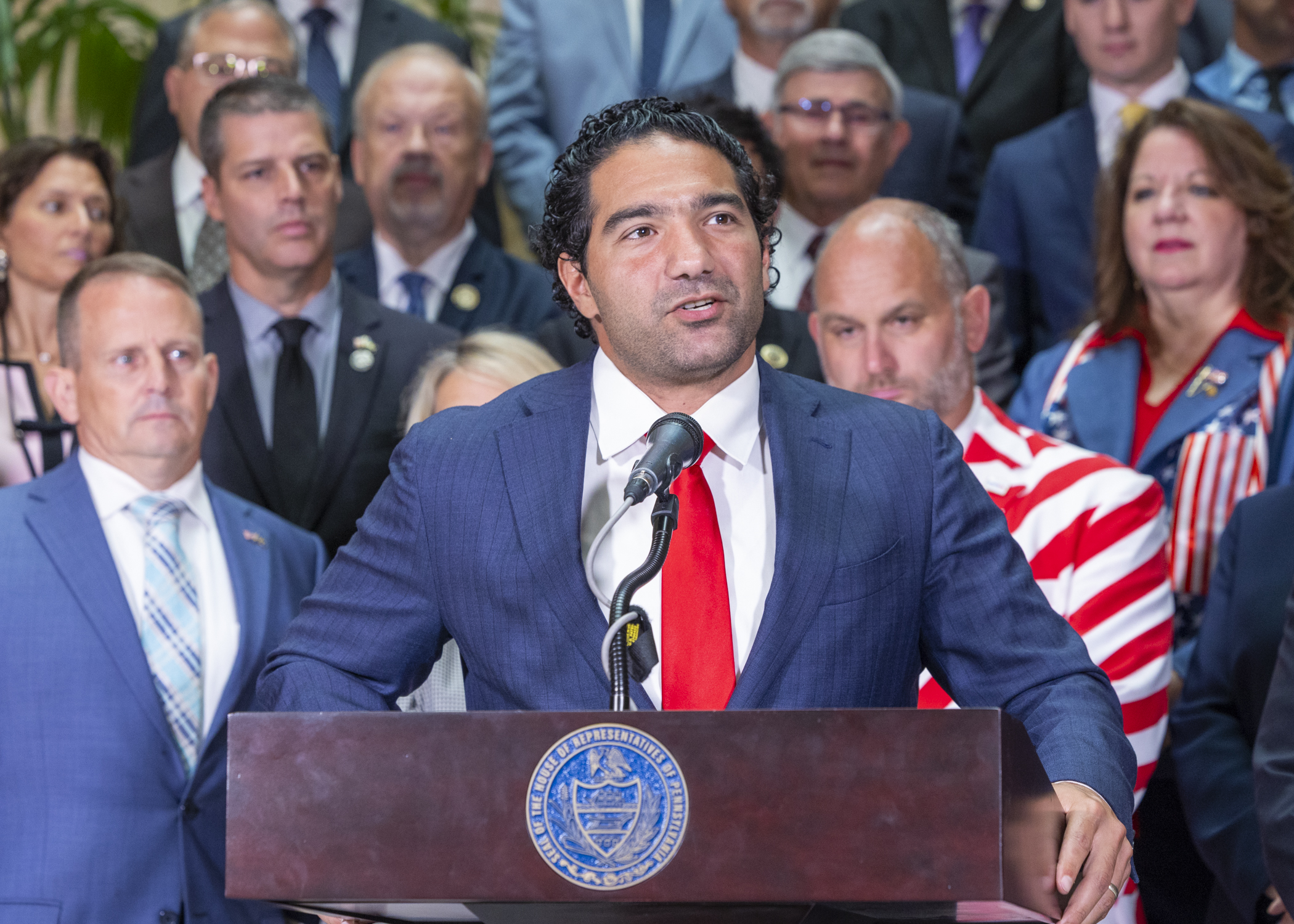
PA Lawmakers Focus on Energy
Energy

John Adams Saw America’s Future Before Anyone Else
America
The Revolutionary Ideas Behind July 4
Did You Know?
View All Content By Think American News Staff