PA House Republican Caucus
A Heat Wave Puts the Grid Back in Focus
The proposal comes as PJM Interconnection, the regional grid operator serving 13 states and Washington, D.C., issued emergency alerts during the heat wave and warned of growing strain on the electric system. PJM serves roughly 67 million people and has faced mounting pressure from rising demand, aging infrastructure, retiring power plants and the growth of energy-hungry industries such as data centers.
For Pennsylvania Republicans, the latest grid emergency underscored what they say has been a long-building problem: demand is rising while reliable baseload generation is not being built quickly enough.
Pennsylvania’s Energy Crossroads
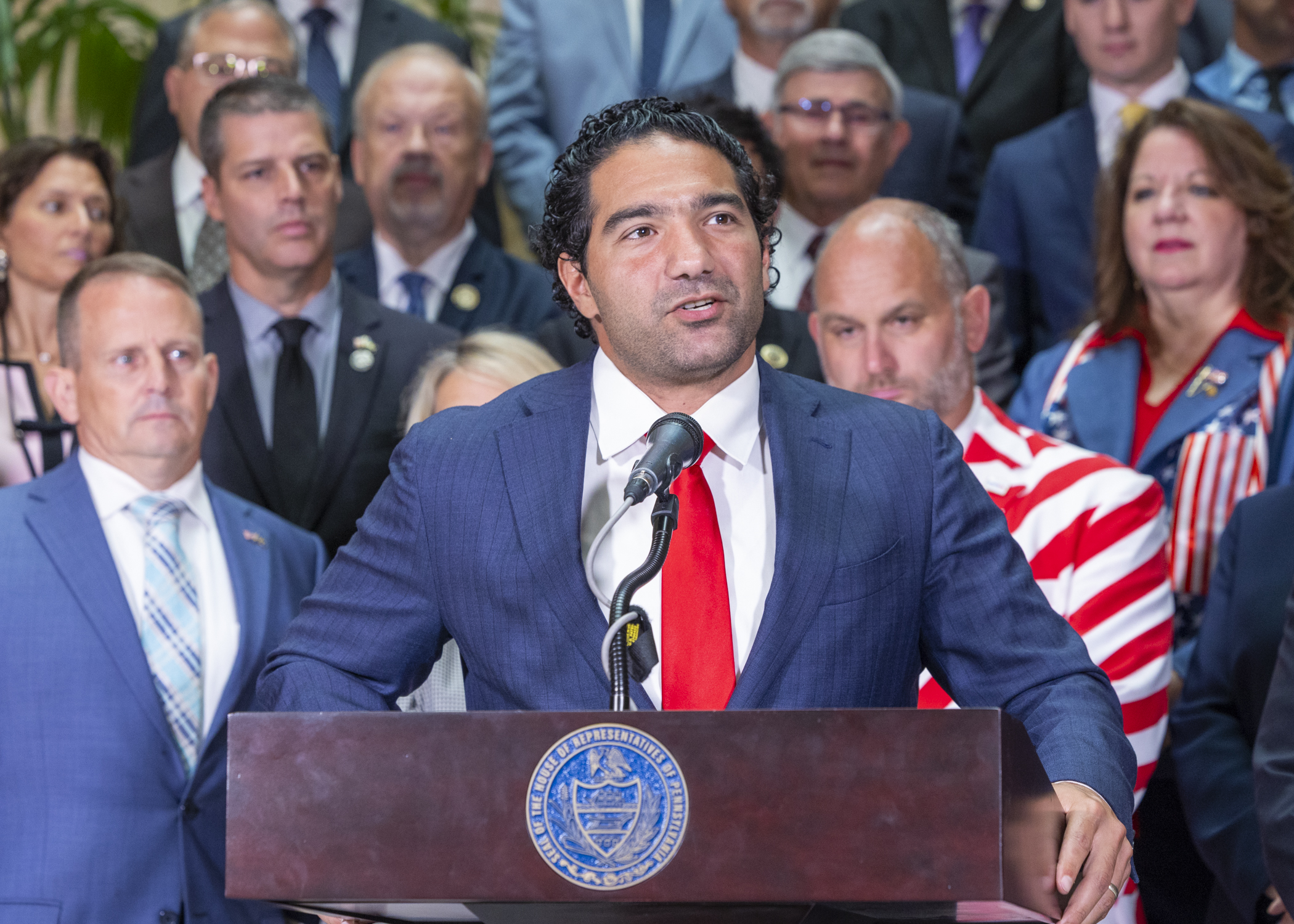
“Pennsylvania is in a unique position to be an energy powerhouse because of the abundance of resources we have,” said Rep. Joshua D. Kail. He said increasing baseload energy production would create family-sustaining jobs while helping prevent brownouts and blackouts.
The package is backed by Reps. Mike Armanini, Eric Davanzo, Jonathan Fritz, Joshua D. Kail, Dallas Kephart, Roman Kozak, Thomas Kutz, Kristin Marcell, Eric Nelson, David H. Rowe and Andrea Verobish. Supporters say the effort is organized around three goals: building more energy, lowering costs for consumers and improving grid reliability.
The timing gives the proposal a broader national angle. Across the country, power grids are being tested by extreme weather, electrification, industrial growth and the rapid expansion of technology infrastructure. In Pennsylvania, lawmakers argue the state has both the resources and responsibility to help meet that demand.
Speeding Up Permits and Projects
A major piece of the Republican plan focuses on permitting. The package would establish a one-year timeline for environmental permit appeals, create a Department of Environmental Protection permit ombudsman, modernize Environmental Hearing Board appeals and align state permitting standards with applicable federal standards.
Supporters say the goal is not to eliminate environmental review, but to make the process more predictable for companies willing to invest in energy production.
“All too often, bureaucracy and red tape unnecessarily slows the permitting process, which drives up project costs, slows energy production and ultimately, punishes consumers,” Davanzo said.
Armanini added that projects are being delayed or killed during appeals at the same time the regional grid needs more electricity.
Lower Bills for Pennsylvania Consumers
The package also takes aim at electricity costs. One proposal would eliminate the Gross Receipts Tax on electric utility service, which Republicans argue is passed along to customers through their monthly bills.
Kutz said eliminating the tax could produce nearly a 6% reduction on electric bills, offering direct relief to families facing rising costs for utilities, groceries and other essentials.
Marcell said Pennsylvania remains one of the nation’s largest electricity exporters, yet residents continue facing higher energy costs. She argued that Pennsylvanians should not be forced to subsidize costs created by energy policies in neighboring states that have reduced reliable generation.
Nelson put it more simply: “More power equals lower prices.”
Reliability Becomes the Central Issue
The package would also replace Pennsylvania’s Alternative Energy Portfolio Standards with a Reliable Energy Portfolio Standard focused on dependable, dispatchable generation. Lawmakers also want to protect consumer energy choice and prevent permitted projects from being unnecessarily stalled while appeals are pending.
Kozak said the region needs more baseload power from sources such as natural gas, nuclear and coal, arguing that intermittent sources alone cannot keep the grid stable during periods of extreme demand.
A Bigger Energy Debate Ahead
The package is likely to draw debate over environmental policy, consumer costs, fossil fuels, renewable energy and Pennsylvania’s long-term economic strategy.
For House Republicans, however, the argument is straightforward: Pennsylvania can either build the energy infrastructure needed for the next generation, or risk higher costs, grid instability and lost investment.
“The choice is ours,” Rowe said. “We can become the energy hub that powers America’s next era of growth, or we can watch investment, jobs, and opportunity go elsewhere.”
RECENT

Creating a Cozy Home That Supports Your Well-Being
Health & Wellness

5 Easy Ways to Prepare for the Next Season Before It Takes Over
Health & Wellness

Your 40s Aren’t Just About Hormones — They’re About Your Heart
Uncategorized

Wellness Benefits of Pumpkin Season
Health & Wellness

Fall Into Wellness: Creating a Healthier Autumn Routine
Health & Wellness

How to Prepare for Holiday Stress Before It Takes Over
Fitness
🇺🇸 Why the Liberty Bell Doesn’t Actually Ring Anymore
Did You Know?

A Rock Star’s Road to Redemption
Entertainment
New York Community Replaces Defaced Declaration Replica
America

How Four Seconds Can Help Calm the Mind
Friday Fuel
BE THE FIRST TO KNOW
Want to stay in the loop? Be the first to know! Sign up for our newsletter and get the latest stories, updates, and insider news delivered straight to your inbox.

More Content By
Think American News Staff🇺🇸 Why the Liberty Bell Doesn’t Actually Ring Anymore
Did You Know?
A Rock Star’s Road to Redemption
Entertainment
New York Community Replaces Defaced Declaration Replica
America

Kentucky Bridge Project Gets $24M Boost
American Infra
Arizona Extends Farm Water Fee Relief
In The States
Michigan Storm Recovery Gets Bipartisan Federal Boost
In The States

Canada Says Goodbye To Country Gentleman Tommy Hunter
Entertainment
PA Lawmakers Focus on Energy
Energy

John Adams Saw America’s Future Before Anyone Else
America
The Revolutionary Ideas Behind July 4
Did You Know?
View All Content By Think American News Staff