
Jun 05
Energy
Coal, Jobs and Grid Reliability Return to Center Stage in Kentucky
Adobe Stock/pkproject
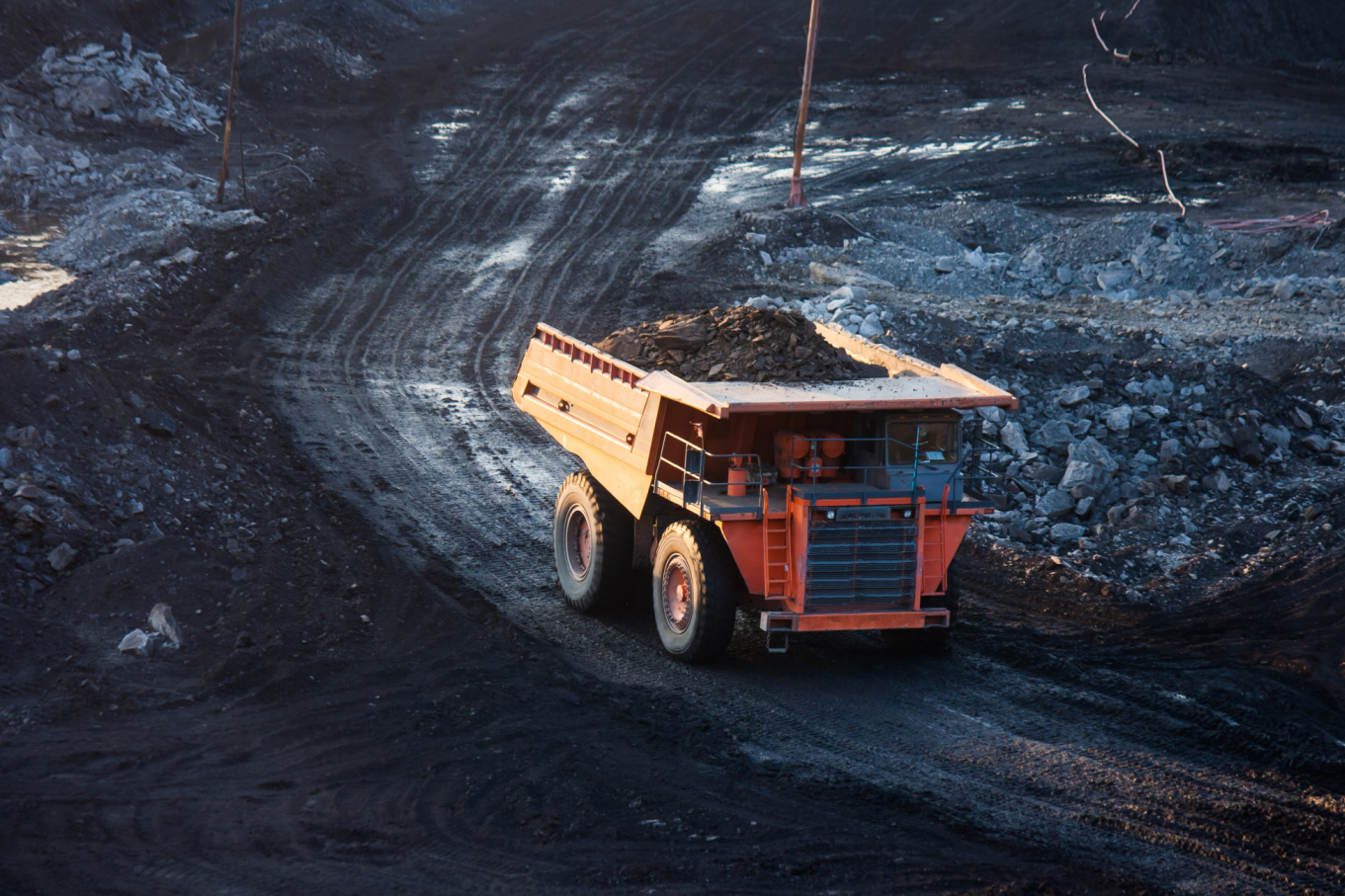
A new federal initiative aimed at supporting coal-fired power generation and coal export infrastructure is putting Kentucky back at the center of a national conversation over energy reliability, affordability, and long-term power demand.
President Donald J. Trump and the U.S. Department of Energy announced Thursday a funding package that includes hundreds of millions of dollars for projects tied to America’s coal fleet and export capacity. The announcement includes projects in Kentucky selected to support the modernization and long-term operation of existing coal-fired generation assets.
For Kentucky Senate President Robert Stivers, the announcement reflects an energy argument state leaders have been making for years: that coal remains an important part of the power mix, especially as demand on the electric grid grows.
A Focus on Reliable Power
“Kentucky’s economy depends on affordable and reliable energy,” Stivers said in response to the announcement. He pointed to work by the General Assembly to protect baseload generation, support long-term planning through the Energy Planning and Inventory Commission and prepare the state for increasing energy needs without compromising reliability.
That word — reliability — is central to the broader national debate. Across the country, utilities, policymakers and businesses are weighing how to keep power available around the clock while also managing costs, infrastructure demands and shifting energy sources.
Coal-fired plants have long provided baseload electricity, meaning they can generate power consistently rather than intermittently. Supporters of continued investment argue that this capacity is especially important as the nation faces rising demand from manufacturing, electrification, population growth and energy-intensive industries.
Coal’s Role in Kentucky
In Kentucky, coal is not simply an energy source. It is tied to regional economies, family livelihoods and communities that have helped power the country for generations.
Stivers said coal “remains a vital part of Kentucky’s energy portfolio” and continues to support thousands of jobs across the commonwealth. The state’s coal-producing regions, including parts of eastern Kentucky, have seen major economic changes over the last several decades as energy markets evolved and employment in the industry declined.
For communities that still rely on coal-related work, federal support for modernization is being viewed not just as an energy announcement, but as an economic one.
Part of a Larger Energy Strategy
The Department of Energy initiative includes up to $425 million for projects supporting America’s coal fleet and up to $75 million for the West Gateway Terminal Project in California. Federal officials say the goal is to strengthen domestic coal supply chains, support reliable baseload generation and expand export capacity to allied nations in the Indo-Pacific region.
The export component adds another layer to the discussion. While domestic coal use has changed over time, international demand remains a factor in energy policy, trade and national security planning. Supporters argue that American-produced coal can play a role in supplying allies while supporting jobs at home.
A Debate That Extends Beyond Kentucky
The announcement is likely to draw different reactions across the country. Energy reliability, consumer costs, environmental concerns, grid modernization and economic development are all part of the conversation.
For coal-state leaders, the federal support reinforces the idea that coal still has a place in an all-of-the-above energy strategy. For critics of coal investment, the question remains whether federal dollars should support existing fossil-fuel infrastructure at a time when many states and utilities are also investing in natural gas, nuclear, solar, wind and battery storage.
Stivers framed Kentucky’s position in practical terms.
“Kentucky will continue advocating for an all-of-the-above energy strategy prioritizing reliability, affordability and energy security,” he said.
Looking Ahead in Frankfort
The announcement comes as Kentucky lawmakers return to Frankfort for the 2026 Interim, when legislative committees study policy issues, review implementation of recently passed laws and begin shaping proposals for the 2027 session.
Energy policy is expected to remain part of that discussion. For Kentucky, the question is not only what powers the grid today, but how the state prepares for tomorrow’s demand while protecting affordability, jobs and reliability.
As the national energy debate continues, Kentucky’s coal communities will be watching closely.
RECENT

Creating a Cozy Home That Supports Your Well-Being
Health & Wellness

5 Easy Ways to Prepare for the Next Season Before It Takes Over
Health & Wellness

Your 40s Aren’t Just About Hormones — They’re About Your Heart
Uncategorized

Wellness Benefits of Pumpkin Season
Health & Wellness

Fall Into Wellness: Creating a Healthier Autumn Routine
Health & Wellness

How to Prepare for Holiday Stress Before It Takes Over
Fitness
🇺🇸 Why the Liberty Bell Doesn’t Actually Ring Anymore
Did You Know?

A Rock Star’s Road to Redemption
Entertainment
New York Community Replaces Defaced Declaration Replica
America

How Four Seconds Can Help Calm the Mind
Friday Fuel
BE THE FIRST TO KNOW
Want to stay in the loop? Be the first to know! Sign up for our newsletter and get the latest stories, updates, and insider news delivered straight to your inbox.

More Content By
Think American News Staff🇺🇸 Why the Liberty Bell Doesn’t Actually Ring Anymore
Did You Know?
A Rock Star’s Road to Redemption
Entertainment
New York Community Replaces Defaced Declaration Replica
America

Kentucky Bridge Project Gets $24M Boost
American Infra

Arizona Extends Farm Water Fee Relief
In The States
Michigan Storm Recovery Gets Bipartisan Federal Boost
In The States

Canada Says Goodbye To Country Gentleman Tommy Hunter
Entertainment

PA Lawmakers Focus on Energy
Energy

John Adams Saw America’s Future Before Anyone Else
America
The Revolutionary Ideas Behind July 4
Did You Know?
View All Content By Think American News Staff