Adobe Stock/AnnyStudio
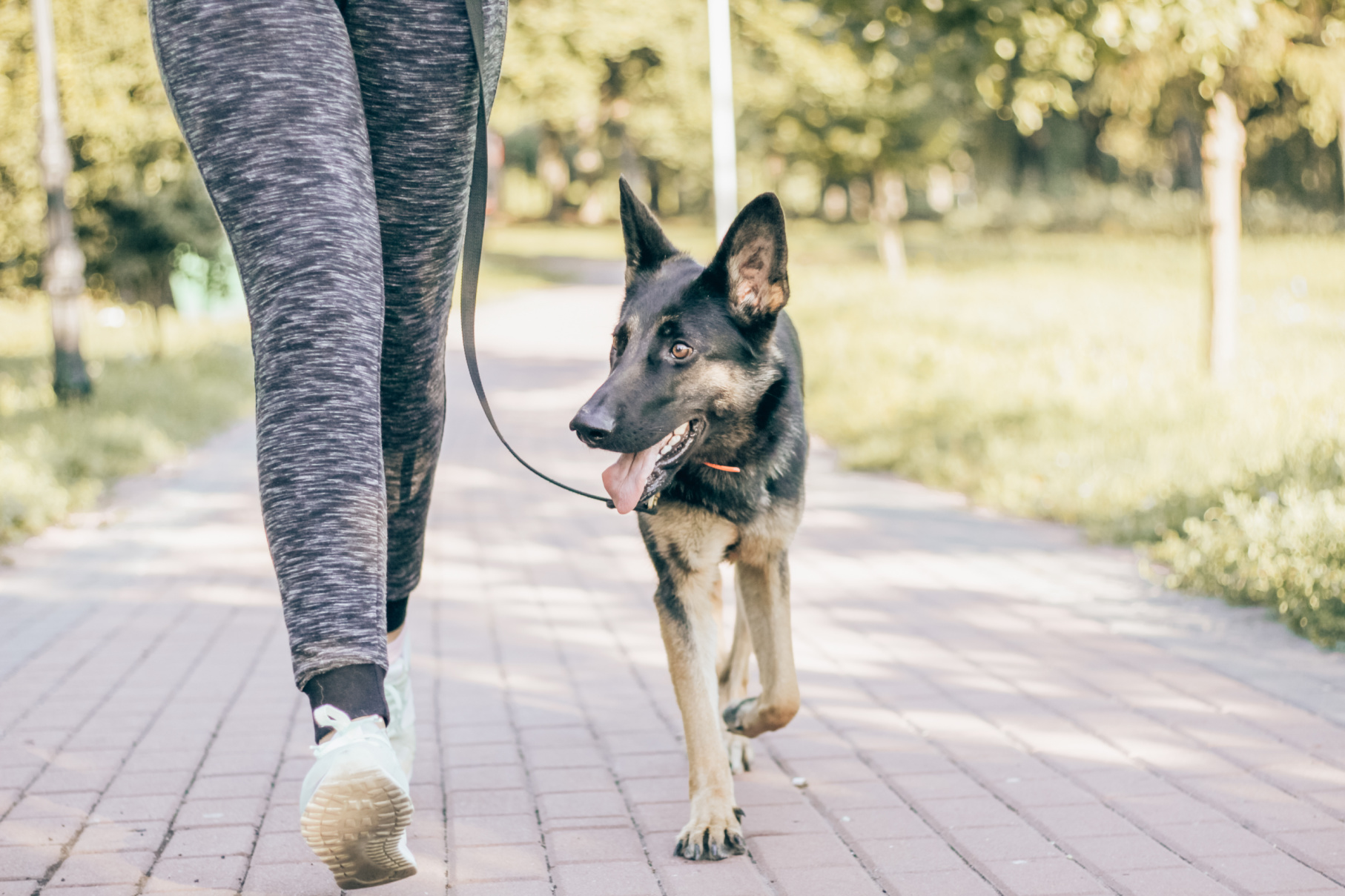
The other day I was walking my dog. On the other side of the street, a woman was walking her dog. At one point, they stopped in the middle of the sidewalk and as we passed by, the other dog, who was standing and staring at us the whole time, barked as we passed. The woman tugged on the leash to get her dog to stop but the dog pulled away from her and was able to slip out of her leash and collar. Immediately, she darted into the road making a beeline for my dog and I, narrowly missing being hit by a car. The dog made it safely back onto the sidewalk with her owner, scared but unscathed. I stood there, instantly reminded of how we tend to take for granted the conversations our dogs are having with their environment constantly and if we are not at the forefront of that conversation, a simple situation can escalate in the blink of an eye! So, what could have been done to minimize or even fully prevent this situation (almost tragedy) from happening?
The Staring:
Eye contact is the beginning of a conversation. Couple that with standing and turned away from you, your dog is officially fully engaged in something…and that something isn’t you! This means that the ball is in their court and the next step or decision is up to them. Dogs should be taught how to calmly look at the world around them. When a dog is standing and staring, they are not calm. If you know your dog is prone to barking at other dogs while out on the walk, simply teaching them how to stop and sit, and stay seated while the other dog passes by encourages your dog to perceive this event more calmly and they are less likely to build themselves up into a reaction.
Reacting to Reaction:
When this dog barked, her owner got frustrated and tugged at the leash, trying to pull the dog along who was already putting the breaks on. When you meet frustration with frustration, you’re only going to get an explosion. Your best bet? When things get crazy, get calm. Take a deep breath, put your dog in a sit, don’t move forward until things calm down, and above all make sure you have good control over your leash.
The Walking Tool:
This dogs walking tool was not fitted properly, which is why she was able to slip out of it so easily. It was also a flat buckle collar. I never recommend walking a dog on a flat collar as they are not very secure tools. Flat collars stretch away from the dogs body when oppostional force is applied. The number one tool I recommend walking a dog on is The Sidekick by Heather’s Heroes. Not only does it help you successfully resolve almost all unwanted behaviors, but it also has a built in back up safety that attaches to a well fitted collar, ideally a martingale. This means that if your dog does try to back out of the leash and succeeds, you are still connected to them.
Staying One Step Ahead:
Being proactive will always be a dog owner’s best training tool. If your dog pulls on the leash or reacts to other dogs or people, they need help. This starts with proper communication. If you are always one step behind your dog, you will always be playing catch-up. A dog usually does not misbehave out of nowhere. It was a calculated reaction that was unguided and uninterrupted. You just showed up too late to the party. Remaining calm, harnessing patience, and learning to read basic dog body language are skills that do not cost money to achieve. They just require a change in perspective and a desire to do better for yourself and for your dog!
Love dogs? So do we. Follow @katescaninesllc for training tips, puppy wins, and plenty of tail wags.
Instagram: @katescaninesllc
Facebook: KateDogTraining
Website: katescanines.net #KatesCanines
RECENT

Creating a Cozy Home That Supports Your Well-Being
Health & Wellness

5 Easy Ways to Prepare for the Next Season Before It Takes Over
Health & Wellness

Your 40s Aren’t Just About Hormones — They’re About Your Heart
Uncategorized

Wellness Benefits of Pumpkin Season
Health & Wellness

Fall Into Wellness: Creating a Healthier Autumn Routine
Health & Wellness

How to Prepare for Holiday Stress Before It Takes Over
Fitness
🇺🇸 Why the Liberty Bell Doesn’t Actually Ring Anymore
Did You Know?

A Rock Star’s Road to Redemption
Entertainment

New York Community Replaces Defaced Declaration Replica
America
How Four Seconds Can Help Calm the Mind
Friday Fuel
BE THE FIRST TO KNOW
Want to stay in the loop? Be the first to know! Sign up for our newsletter and get the latest stories, updates, and insider news delivered straight to your inbox.

More Content By
Kate McCue
Passing the Torch to New Dog Owners
Mans Best Friend
The Dog-Walking Mistake Owners Often Miss
Animals

Being a Dog Person Doesn’t Mean You Understand Dogs
Mans Best Friend

Recall Problems Start at Home—Not in the Yard
Animals

Before You Buy a Dog, Read This First
Mans Best Friend

A Dog’s Last Lesson
Animals

Why Boundaries ARE Love
Mans Best Friend
When Love Means Letting Go
Animals
Healing Trauma in Rescue Dogs Starts with Rebuilding Trust
Animals

Why Your Dog’s Diet Matters More Than You Think
Uncategorized
View All Content By Kate McCue