Adobe Stock/Rymden
Coming Home Isn’t Always What We Expect
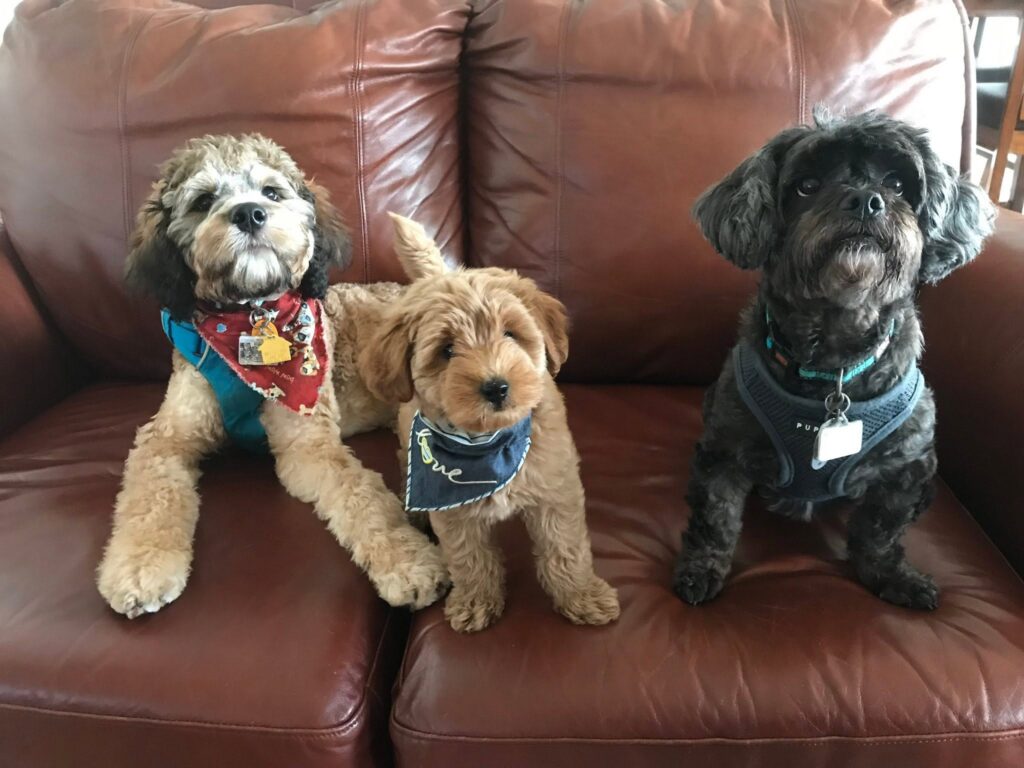
During my first semester away in college, I came home for Thanksgiving break with a friend I had just made at school. My friend was new to America, hailing all the way from Zimbabwe, Africa. She was about to experience her first American Thanksgiving! On our train ride to New York, she found out that I had a dog and that this dog lived inside the house. Back at home, my friend had dogs, but they were strictly outdoor dogs only. She was apprehensive about coming to stay at a home with a dog, but we were half through New Jersey at this point on the way to Penn Station, so there was no turning back.
When we arrived in Yonkers, my standard Laradoodle Seamus met us happily at the door. While he was pleased to see me, he was very intrigued by this friend who completely ignored him. I spent the next few days gushing over my dog, telling him how much I missed him, and the needier I became, the more he ignored me! Meanwhile, everywhere my friend was, my dog was not too far away. He would calmly lay down in the same room as her, existing with her, and nothing more.
One day, he made her laugh by stealing her slippers and walking away with them. She followed him, half smiling, giggling, and asked for them back which he most graciously did. After that day, he hung out closer and closer to her and on the last day, he was hanging out with her on the couch. He rarely hung out on the couch with anyone!
Later on in life I realized the critical mistake that I had made when I came home after such a long time apart. I assumed that Seamus wanted as much love from me as I did from him. And therefore, I forced my affections and was repaid with indifference. Instead, he found calm and security around the relative stranger who gave him space and kept her emotions controlled. Just because I was his mom didn’t mean I was automatically number 1 in his book. If I wanted his attention and respect, I had to give it in return.
Liking Dogs and Understanding Dogs Are Different Things
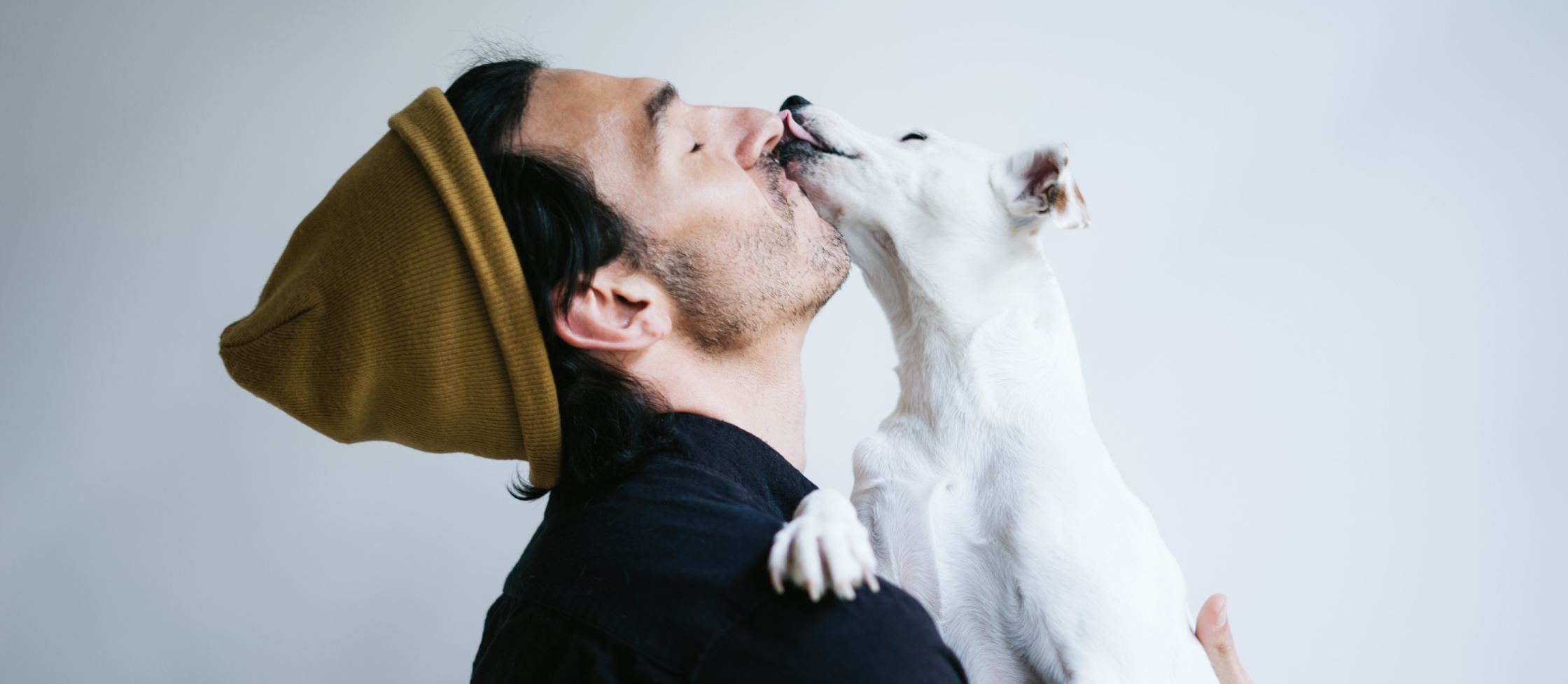
I can’t tell you how many times people automatically assume that a dog will like them because they are a “dog person.” Just because you like dogs, does not mean a dog will like you. And depending on the dog, it may take them a very long time to like you regardless of how nice you are. Because dogs don’t understand the word nice. They understand the action of nice.
And being nice to a dog means you understand them and what they are telling you. If a dog is not approaching you during a greeting, it almost always means that they are not ready for an interaction. If you read them correctly and do not approach, they will see you as nice and remember that. Maybe next time they will be more inclined to close the social gap.
However, if you keep approaching them even though they are telling you through their actions that they are not interested, then they will see you as the exact opposite of nice. They will view you as a threat, and the likelihood of them wanting to pursue a friendship going forward is very low.
Dogs Speak Through Behavior, Not Words
In these instances of being forced to be social, some dogs will stay stiff, but that’s it. Some may back away. Some may growl. And some may straight up and bite you. It all depends on how many times this dog has been tested and what their natural threshold for tolerance for stress is.
When a perceived dog person, or the dogs parent, is growled at or bitten because they moved forward to connect too fast and too soon, they often get mad at the dog. “But I’m a dog person!” they will sometimes say. “Why don’t they know that?”
Because what you SAY you are is the exact opposite of HOW you acting. And dogs are all about energy and behavior. What you are doing with your actions speaks louder than what you are saying with your words.
The Friendship That Started With Space
My best friend said nothing to Seamus during the first few days of that first visit. With her words, anyway. But with her actions? She said “I’m not afraid of you, but I’m not interested either. You stay in your corner, I’ll stay in mine, and we’ll be OK.”
Seamus vibed with this conversation. And each day my friend hung out with Seamus in the same room, they got to know each other. Not through words, but through basic coexistence. And that coexistence was the makings of a beautiful friendship that lasted for years to come.
So, the next time a dog isn’t connecting with you or is acting out, ask yourself this: “am I communicating with them the way I want OR in the way they understand?”
Love dogs? So do we. Follow @katescaninesllc for training tips, puppy wins, and plenty of tail wags.
Instagram: @katescaninesllc
Facebook: KateDogTraining
Website: katescanines.net #KatesCanines
RECENT

Creating a Cozy Home That Supports Your Well-Being
Health & Wellness

5 Easy Ways to Prepare for the Next Season Before It Takes Over
Health & Wellness

Your 40s Aren’t Just About Hormones — They’re About Your Heart
Uncategorized

Wellness Benefits of Pumpkin Season
Health & Wellness

Fall Into Wellness: Creating a Healthier Autumn Routine
Health & Wellness

How to Prepare for Holiday Stress Before It Takes Over
Fitness
🇺🇸 Why the Liberty Bell Doesn’t Actually Ring Anymore
Did You Know?

A Rock Star’s Road to Redemption
Entertainment

New York Community Replaces Defaced Declaration Replica
America
How Four Seconds Can Help Calm the Mind
Friday Fuel
BE THE FIRST TO KNOW
Want to stay in the loop? Be the first to know! Sign up for our newsletter and get the latest stories, updates, and insider news delivered straight to your inbox.

More Content By
Kate McCue
Passing the Torch to New Dog Owners
Mans Best Friend
The Dog-Walking Mistake Owners Often Miss
Animals
Being a Dog Person Doesn’t Mean You Understand Dogs
Mans Best Friend

Recall Problems Start at Home—Not in the Yard
Animals
Before You Buy a Dog, Read This First
Mans Best Friend
A Dog’s Last Lesson
Animals
Why Boundaries ARE Love
Mans Best Friend

When Love Means Letting Go
Animals
Healing Trauma in Rescue Dogs Starts with Rebuilding Trust
Animals

Why Your Dog’s Diet Matters More Than You Think
Uncategorized
View All Content By Kate McCue