Adobe Stock/otsphoto
A Recall Problem—or a Relationship Problem?
I have a client who hired me because he wants to work on having his dog come to him when called. Recall is one of the tougher things to teach dog owners because it’s more than just teaching them a command and having them follow it. For a dog to come back to you, they need to find you more important and of more value than the squirrel or the dog or the great outdoors itself. So in that light, in order to teach a good recall, the dog must have a good relationship with their owner.
Two Key Observations at Home
As I sat and listened to my client, I made two key observations as to why he is struggling. The first one was when we had just sat down, with the owner sitting closest to the back door. As we talked, the dog came over to the back door, pawed the door, and the owner opened the door without missing a beat. The second observation I made was when the dog came back inside, on his own terms of course, he went straight into another room and completely disengaged from us. Normally when I am in a client’s home for the first time, the dog stays in or very near the room we are in. Most dogs don’t leave their owners’ side. This dog could..care..less that I was there. So, why are either of these otherwise benign observations a problem?
Who’s Giving the Directives?
The dog pawed at the door and his owner immediately opened it. In that situation, the dog gave the directive and the human followed. So let’s look at the bigger picture. If the dog is under the impression that he can give directives, why on EARTH would he come back when called? Secondly, the disengagement. I asked my client how often his dog coexists with him in the same room. The owner answered, almost never. The dog is not destructive and basically just minds his own business. The only time he re-enages with his owner is when his internal time clock tells him it’s time for a walk or to be fed (sidenote: this dog also eats whenever he wants). So again, the dog gives a directive, and the owner follows.
Walks on the Dog’s Terms
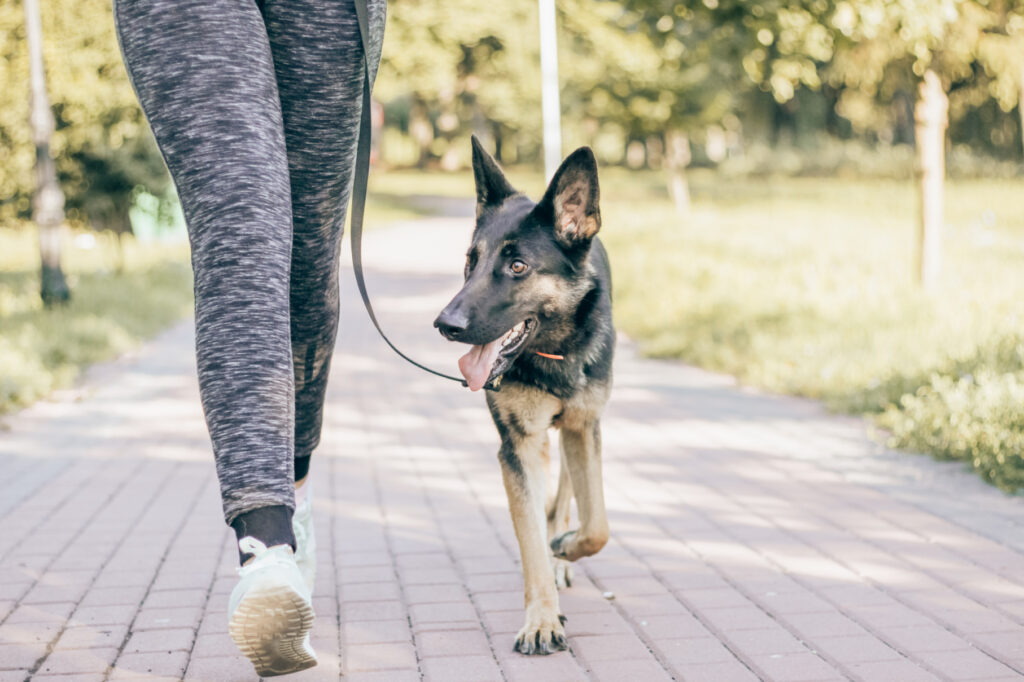
Lastly, I asked how the walks were. The dog gets a 2-3 mile walk every day. But, as I predicted, they are on the dog’s terms. Zigzagging, walking in front, leash slightly tense. But, he’s not reactive and enjoys meeting people. So, what’s the problem?
The Missing Piece: Daily Structure
The problem is that when the owner NEEDS his dog to listen, the dog doesn’t. But, on a day to day basis, the owner is never asking his dog to listen to basic directives. These directives include Place, structured walking, playing a game with rules that ignite a dogs on/off switch. Daily directives create engagement, enhance follow through, and make YOU the dog owner, IMPORTANT! This owner has already had his dog bolt out the front door once and it took him a very long time to get him out of the street and back into the house.
Start Where Control Exists
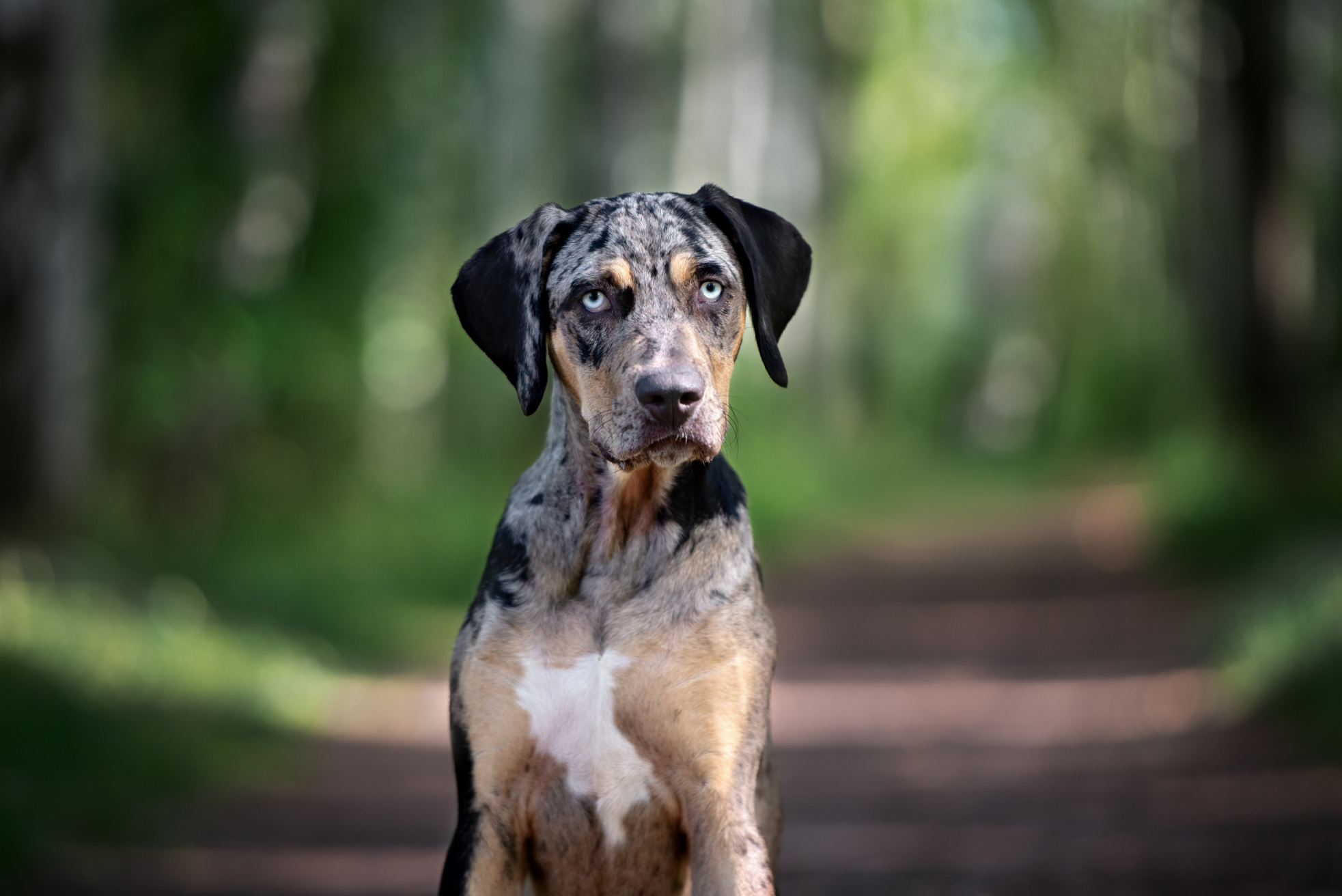
Once our consultation was complete, my client asked me what we should work on first. I said point blank, I know recall is your goal, but the first thing we are going to tackle is the walk on YOUR terms. If a dog is not going to listen to you when they are right next to you, there is no way they will listen to you off leash 30ft away. I also pointed out that, while I do not focus solely on breed when training, his dog is mainly hound. As a former hound owner, and after training dozens of hounds from Beagle’s to Foxhounds. Black and Tan Coonhounds and everything in between, I have come to learn that hounds were not bred to work with humans. They were bred to work away from the human, with the human following their lead. This is why they say hounds are stubborn or have a mind of their own. It does not come naturally to them to work alongside humans. Owning any dog is a huge responsibility. But owning a hound is a lifestyle!
Engagement Changes Everything
Whatever the breed, creating positive and lasting engagement with your dog is key to being able to teach them anything else. If your dog is just coasting in their life with you, like my client’s dog, they are not on the same page with you. They may not be aggressive or destructive, but being tuned out by your dog can be just as damaging. I am excited to begin working with my new hound friend and helping him to understand that there’s more to life than just existing with his people!
Love dogs? So do we. Follow @katescaninesllc for training tips, puppy wins, and plenty of tail wags.
Instagram: @katescaninesllc
Facebook: KateDogTraining
Website: katescanines.net #KatesCanines
RECENT

Creating a Cozy Home That Supports Your Well-Being
Health & Wellness

5 Easy Ways to Prepare for the Next Season Before It Takes Over
Health & Wellness

Your 40s Aren’t Just About Hormones — They’re About Your Heart
Uncategorized

Wellness Benefits of Pumpkin Season
Health & Wellness

Fall Into Wellness: Creating a Healthier Autumn Routine
Health & Wellness

How to Prepare for Holiday Stress Before It Takes Over
Fitness
🇺🇸 Why the Liberty Bell Doesn’t Actually Ring Anymore
Did You Know?

A Rock Star’s Road to Redemption
Entertainment

New York Community Replaces Defaced Declaration Replica
America
How Four Seconds Can Help Calm the Mind
Friday Fuel
BE THE FIRST TO KNOW
Want to stay in the loop? Be the first to know! Sign up for our newsletter and get the latest stories, updates, and insider news delivered straight to your inbox.

More Content By
Kate McCue
Passing the Torch to New Dog Owners
Mans Best Friend
The Dog-Walking Mistake Owners Often Miss
Animals

Being a Dog Person Doesn’t Mean You Understand Dogs
Mans Best Friend
Recall Problems Start at Home—Not in the Yard
Animals
Before You Buy a Dog, Read This First
Mans Best Friend

A Dog’s Last Lesson
Animals
Why Boundaries ARE Love
Mans Best Friend
When Love Means Letting Go
Animals
Healing Trauma in Rescue Dogs Starts with Rebuilding Trust
Animals

Why Your Dog’s Diet Matters More Than You Think
Uncategorized
View All Content By Kate McCue