Adobe Stock/airdone
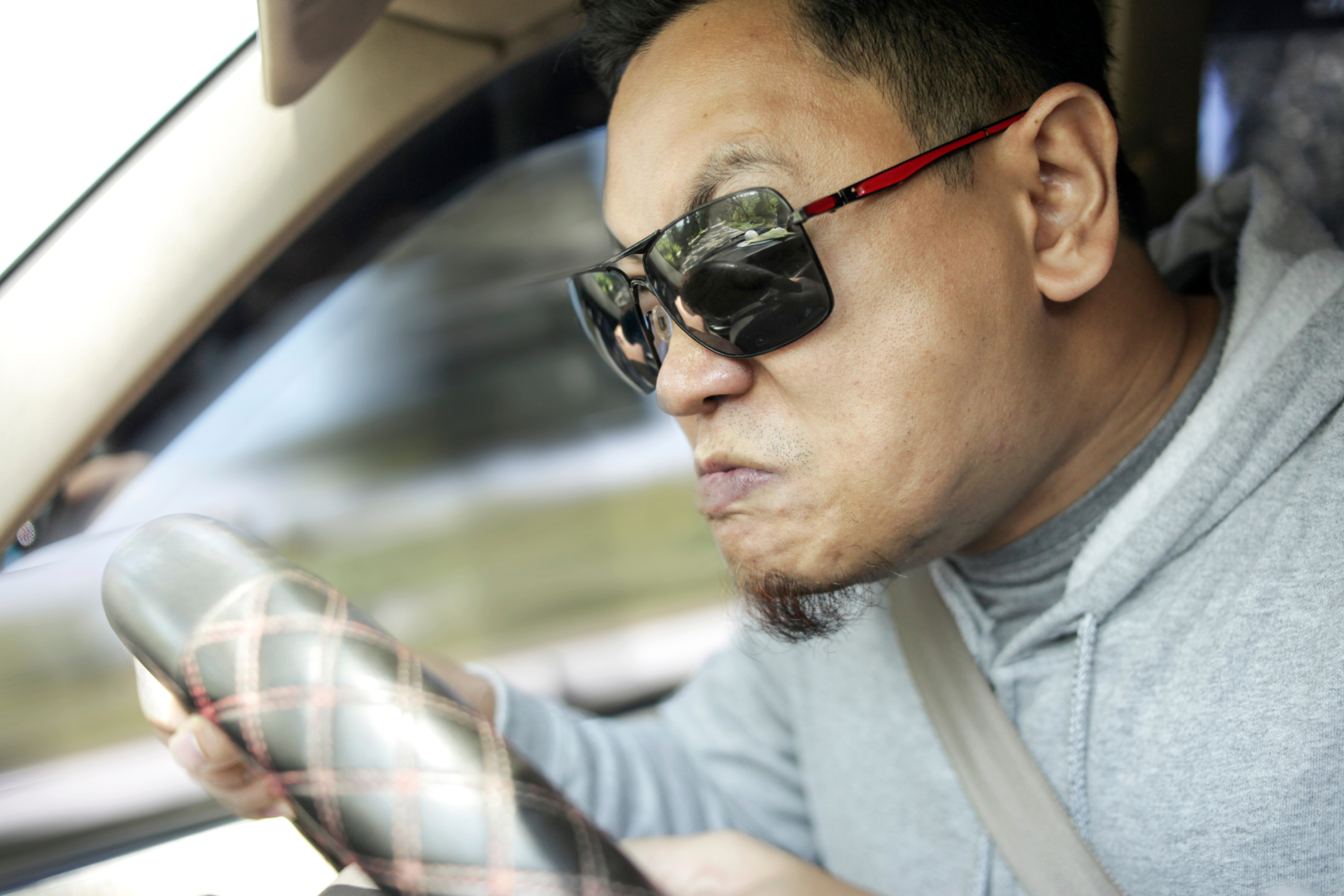
Yesterday, we had one of those highway encounters that stays with you longer than it should.
There we were, driving along, minding our business, when we crossed paths with a young woman who seemed determined to turn an ordinary stretch of road into her own personal audition for a demolition derby. She was driving slowly in the left lane — yes, the passing lane — while traffic moved around her. Then, when we tried to pass or didn’t let her slide back over from the right to the left just to get in front of us, she lost it.
Flipping us off. Flailing her arms. Making faces. Throwing a full-blown tantrum behind the wheel.
And it did not happen once. It continued for quite some time.
I Know, I’ve Said This Before
I have written about this before, and I probably will again, because it remains one of the most annoying, rude, and disrespectful habits on the road.
Camping in the left lane is not just a harmless quirk. It affects everyone around you. It backs up traffic. It forces other drivers to pass on the right. It creates frustration. It makes the road less predictable and more dangerous.
More than anything, it sends a message: my pace, my comfort, my little bubble matter more than everyone else trying to get where they need to go.
That is not just bad driving. It is bad manners.
The Left Lane Is Not a Lounge Chair
Let’s start with the obvious: the left lane is for passing. It is not for sightseeing. It is not for scrolling through your thoughts. It is not the place to camp out at whatever speed feels spiritually comfortable while everyone else tries to figure out how to get around you.
Drivers who sit in the left lane going under the flow of traffic create frustration. That does not justify anyone acting like a lunatic, but it does set the stage for unsafe driving, aggressive passing, and unnecessary tension.
The strange part is that this driver seemed to want it both ways. She wanted to go slow in the fast lane, then weave around, then get angry when the rest of traffic did not arrange itself around her emotional state.
That is not driving. That is entitlement with turn signals.
A Two-Ton Temper Tantrum
Road rage has become one of those everyday signs that too many people are living with no emotional governor. Something small happens — someone passes you, someone does not let you merge exactly when you want, someone fails to worship your blinker — and suddenly, it is war.
But here is the problem: you are not stomping around your kitchen. You are not slamming a drawer. You are operating a vehicle that weighs thousands of pounds at highway speed.
That changes everything.
A bad mood behind the wheel can become a tragedy in seconds. One reckless lane change, one brake check, one distracted moment spent flipping someone off instead of watching the road, and lives can be changed forever.
All because somebody could not handle being behind another car.
What’s the Freakin’ Rush?
That was the question that kept running through my mind: What’s the freakin’ rush?
Most of the time, the answer is nothing. We are not racing to deliver a heart for transplant. We are not escaping a meteor. We are not starring in an action movie.
We are trying to get to work, the store, home, a ballgame, a family gathering, or maybe a weekend trip. And somehow, people act as if arriving three car lengths earlier is worth risking their life and everyone else’s.
The irony is that the angriest drivers rarely get anywhere much faster. They just arrive more stressed, more dangerous, and more convinced that everyone else is the problem.
Courtesy Is Still Free
Driving used to come with an understanding: pay attention, keep right except to pass, let people merge when it is safe, wave when someone lets you in, and do not act like the highway was built exclusively for you.
Maybe that sounds old-fashioned. Fine. I will take old-fashioned if it means fewer people treating the interstate like a personal grievance parade.
The young woman we encountered yesterday probably forgot about us five minutes later. Or maybe she told herself we were the villains in her story. Either way, the lesson remains bigger than one driver.
We all need to calm down.
Move over when you should. Pass when you need to. Let things go. Stop turning minor inconveniences into public performances.
Because at the end of the day, the goal is not to win the highway.
The goal is to get home.
RECENT

Creating a Cozy Home That Supports Your Well-Being
Health & Wellness

5 Easy Ways to Prepare for the Next Season Before It Takes Over
Health & Wellness

Your 40s Aren’t Just About Hormones — They’re About Your Heart
Uncategorized
Wellness Benefits of Pumpkin Season
Health & Wellness

Fall Into Wellness: Creating a Healthier Autumn Routine
Health & Wellness

How to Prepare for Holiday Stress Before It Takes Over
Fitness
🇺🇸 Why the Liberty Bell Doesn’t Actually Ring Anymore
Did You Know?

A Rock Star’s Road to Redemption
Entertainment
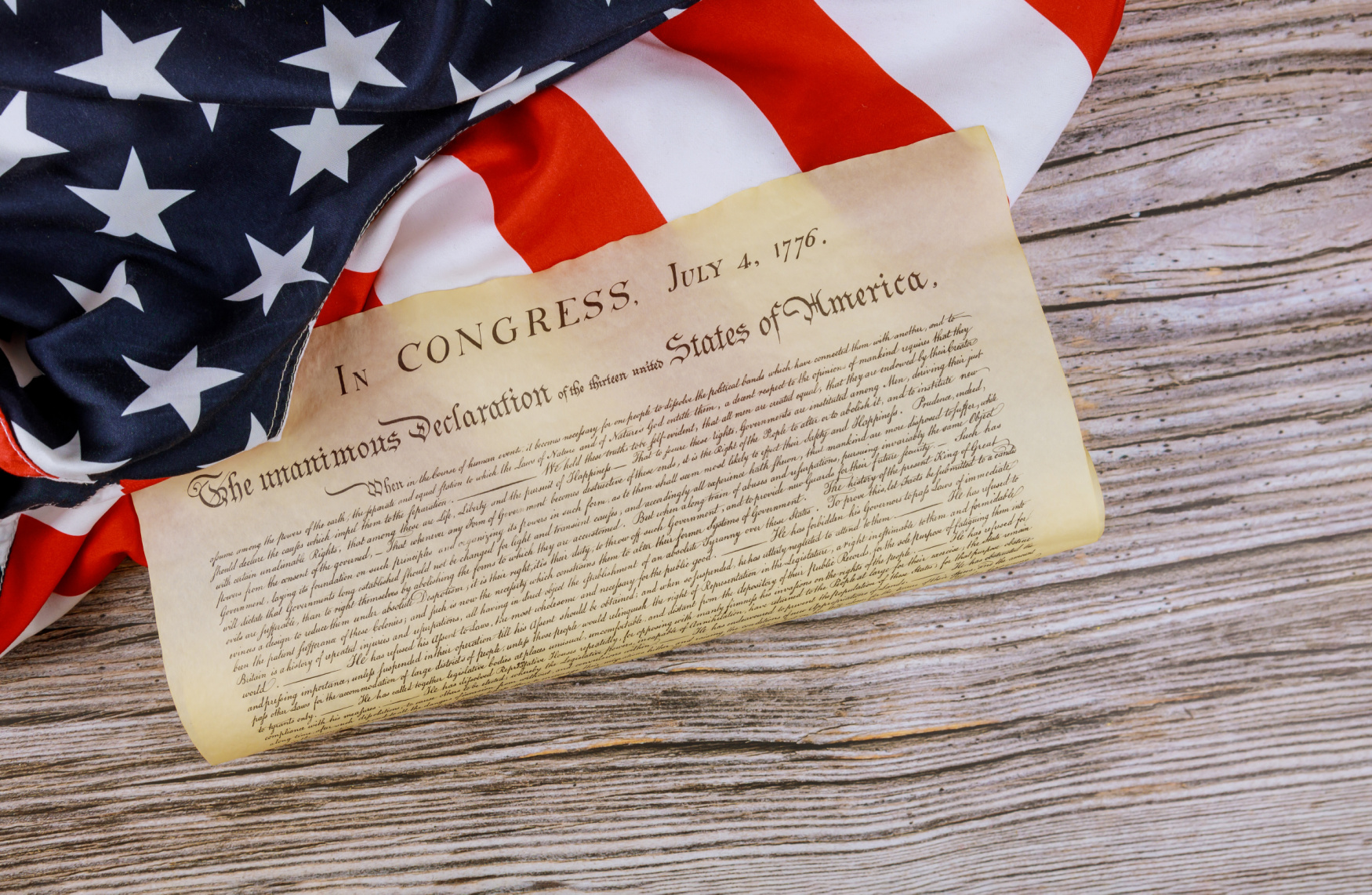
New York Community Replaces Defaced Declaration Replica
America
How Four Seconds Can Help Calm the Mind
Friday Fuel
BE THE FIRST TO KNOW
Want to stay in the loop? Be the first to know! Sign up for our newsletter and get the latest stories, updates, and insider news delivered straight to your inbox.

More Content By
Jessica Curtis
When Life Steals Your Song
Kindness
Fast Lane, Short Fuse
Living Civics
Honey, I Shrunk the Frogs
Animals
A Small-Town Rescue With Four Paws and a Lesson
Mans Best Friend

When Little Ears Learn Big Words
Living Civics
The Endless Loyalty and Love of a Dog
Mans Best Friend

When the Calendar Changes, Character Counts
Opinion

Appreciating the Little Moments That Make Life Beautiful
Living Civics
Remember This: The Day America’s Original 13 Became One
Opinion
Memorial Day Is Not Just a Long Weekend
America
View All Content By Jessica Curtis