Adobe Stock/Sabbir Sarker
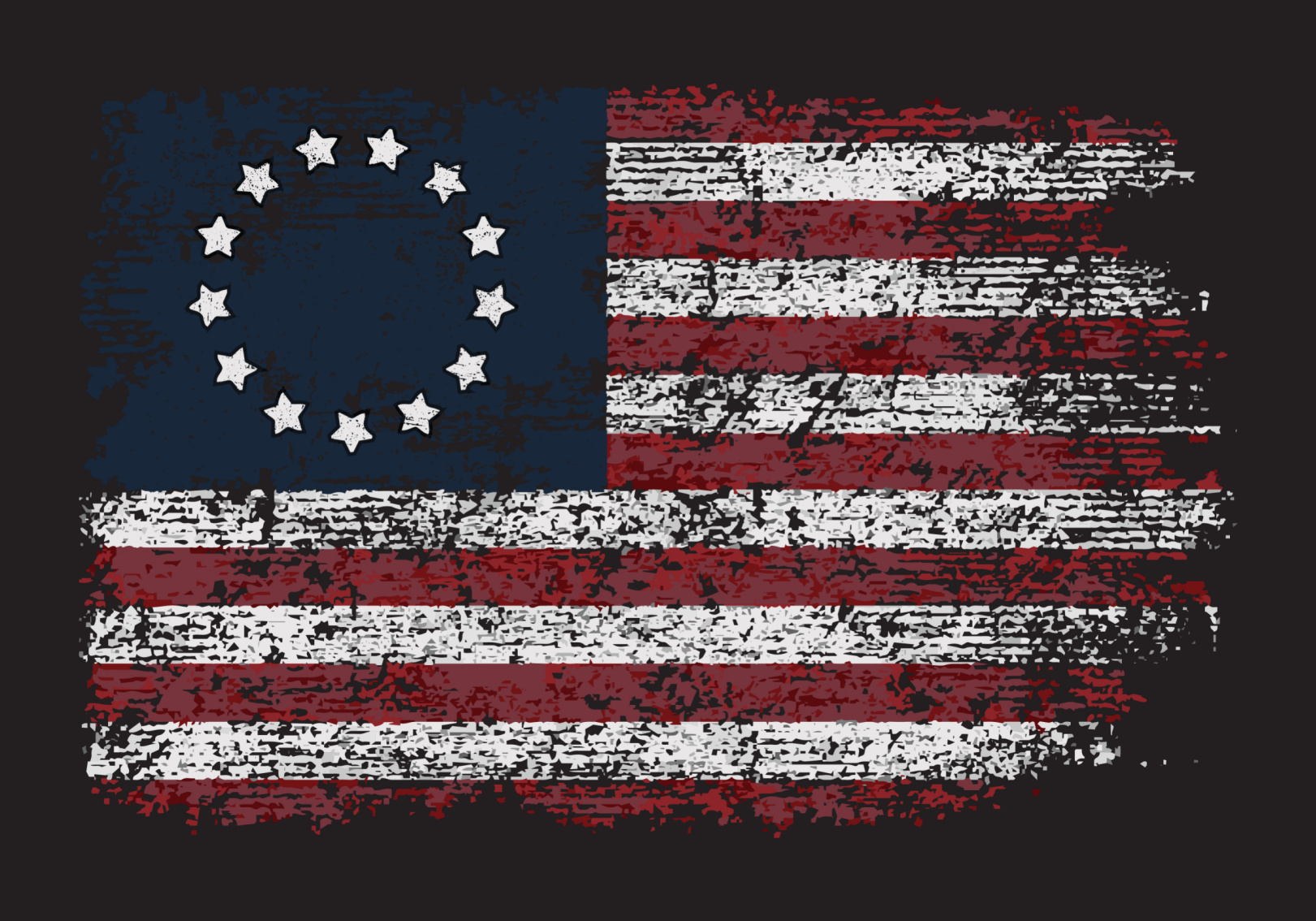
On May 29, 1790, Rhode Island became the last of the original 13 states to ratify the United States Constitution.
It may sound like a small footnote in American history, but it tells a much bigger story about the country itself. America was not built by people who agreed on everything. It was built by people who debated, resisted, argued, compromised and eventually decided that the future was worth building together.
The Last State to Join
By the time Rhode Island ratified the Constitution, the new American government was already up and running. George Washington had been inaugurated as the nation’s first president in 1789. Congress had begun its work. The machinery of the federal government was moving.
But Rhode Island was still holding out.
The smallest state had big concerns. Many Rhode Islanders feared that a stronger national government would threaten state independence, individual liberty and local control. Those were not minor worries in the years after the American Revolution. The country had just fought a war to break free from distant authority, and many Americans were understandably cautious about creating a new one.
Rhode Island’s resistance was so strong that it did not even send delegates to the Constitutional Convention in Philadelphia in 1787. While other states debated the structure of the new government from inside the room, Rhode Island stayed out of it.
A Narrow Vote With Lasting Meaning
When Rhode Island finally ratified the Constitution on May 29, 1790, the vote was close: 34 to 32.
That narrow margin matters. It reminds us that the Constitution was not embraced without hesitation, and America’s founding was not as tidy as we sometimes imagine it to be.
There were real debates over power. Real fears about government overreach. Real disagreements about how much authority should belong to the states and how much should belong to the national government.
In other words, the American experiment began with tension.
And maybe that is the point.
Our system was not designed because everyone saw the world the same way. It was designed because people did not. The Constitution created a framework strong enough to hold disagreement, but structured enough to keep the country moving forward.
Debate Was Part of the Design
The Founders argued over representation, federal power, individual rights, trade, taxation and the role of government. The states did not fall neatly into line. The people did not all nod in agreement. Some worried the Constitution gave the federal government too much authority. Others believed the country would not survive without a stronger national structure.
Rhode Island’s late ratification is a reminder that skepticism was not un-American. Asking hard questions was not unpatriotic. Wanting safeguards for liberty was not obstruction. Those debates helped shape the country.
The challenge, then and now, is what we do after the debate.
Do we walk away from one another, or do we keep working toward something bigger than our own corner of the map?
The Union Was Completed
When Rhode Island finally joined the other states, the original 13 were united under the Constitution. The Union was complete.
That does not mean the country was perfect. Far from it. America has always been unfinished business. But on that day, the last of the original states stepped into the constitutional framework that still governs the nation today.
That is worth remembering.
May 29 is not just the anniversary of one state’s ratification. It is a reminder that America has never required perfect agreement in order to move forward. It has required something harder: patience, debate, compromise and a belief that self-government is still worth the effort.
In a time when disagreement can feel like division, Rhode Island’s story offers a useful lesson.
America was not built because everyone agreed.
It was built because, eventually, enough people chose the Union.
RECENT

Fall Into Wellness: Creating a Healthier Autumn Routine
Health & Wellness

How to Prepare for Holiday Stress Before It Takes Over
Fitness
🇺🇸 Why the Liberty Bell Doesn’t Actually Ring Anymore
Did You Know?

A Rock Star’s Road to Redemption
Entertainment
New York Community Replaces Defaced Declaration Replica
America
How Four Seconds Can Help Calm the Mind
Friday Fuel

Heather Jenkins and The Power of Intentional Rest
Health & Wellness

Kentucky Bridge Project Gets $24M Boost
American Infra

Arizona Extends Farm Water Fee Relief
In The States

Macaroni, Dive Bars and Sundaes: July 7 Gets Weird
Offbeat Observances
BE THE FIRST TO KNOW
Want to stay in the loop? Be the first to know! Sign up for our newsletter and get the latest stories, updates, and insider news delivered straight to your inbox.

More Content By
Jessica Curtis
When Life Steals Your Song
Kindness

Fast Lane, Short Fuse
Living Civics

Honey, I Shrunk the Frogs
Animals

A Small-Town Rescue With Four Paws and a Lesson
Mans Best Friend

When Little Ears Learn Big Words
Living Civics

The Endless Loyalty and Love of a Dog
Mans Best Friend

When the Calendar Changes, Character Counts
Opinion

Appreciating the Little Moments That Make Life Beautiful
Living Civics
Remember This: The Day America’s Original 13 Became One
Opinion

Memorial Day Is Not Just a Long Weekend
America
View All Content By Jessica Curtis