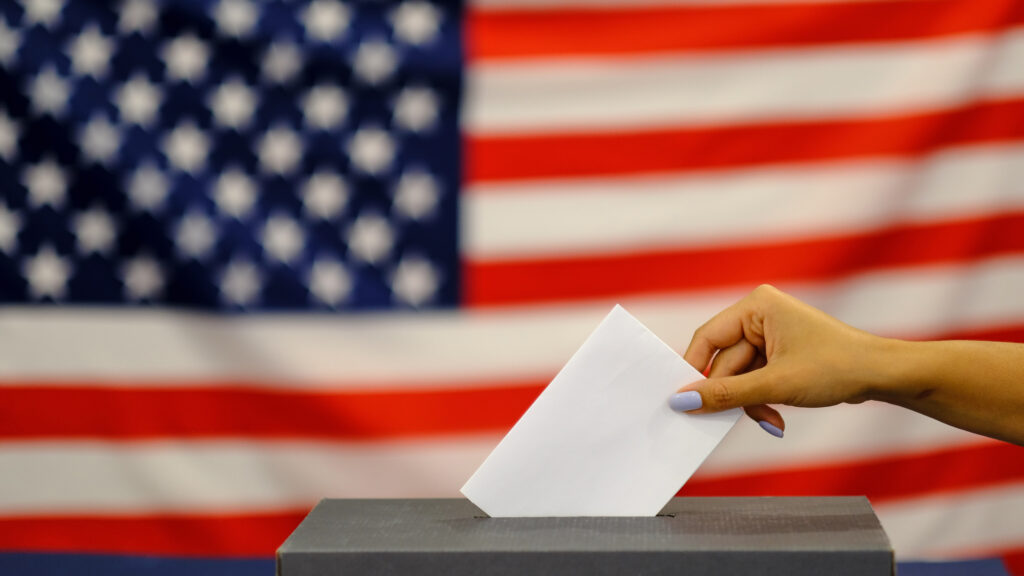
Adobe Stock/bunyarit/stock.adobe.com

There was a time in America when the question wasn’t whether faith belonged in our public life—it was how deeply it ran.
Morning prayers before school. The reverent hush of Sundays. The nativity scenes on courthouse lawns. People knew their neighbors by name, not by Twitter handle. Families sat together for dinner. And in many communities, church wasn’t just a weekly obligation—it was the anchor of social life, moral grounding, and civic engagement.
That’s not to say the past was perfect. It wasn’t. But there was a shared understanding—rooted in faith—that we were accountable to something bigger than ourselves. That our rights came not from government, but from God. That humility, kindness, and forgiveness weren’t signs of weakness, but of strength.
Fast forward to today, and it seems we’ve done a full 180. Religion isn’t just sidelined—it’s often scorned. If someone talks openly about their faith in a public setting, they’re more likely to get an eye-roll than a handshake. And for years, government offices have operated as if expressions of faith were dangerous, to be contained, hidden, or eliminated.
So it’s worth noting that this week, the federal government issued guidance affirming that public employees—yes, even those in D.C.—have a right to talk about their religion at work. They can form prayer groups. They can express their beliefs—respectfully, and without harassment. It’s not a mandate. It’s not a push for theocracy. It’s simply a recognition of a right that has always been there.
Cue the outrage, of course. Critics are already declaring the end of the secular state. But maybe it’s time to ask an honest question: Has the absence of faith in public life made us better?
Are we kinder? Are we more united? More respectful of each other?
Or are we more cynical, more fractured, and more selfish than ever?
America has never been a religiously homogeneous country. That’s one of our great strengths. But for most of our history, there was at least an acknowledgment that belief—regardless of denomination—played an important role in shaping our character as a people. It was religion that drove the civil rights movement. Religion that inspired abolitionists. Religion that moved us to care for the poor, the sick, and the vulnerable. That doesn’t mean we always lived up to those ideals. But we aspired to them. Because we believed in something higher.
Now? We aspire to trend.
There’s no harm in allowing faith back into the room. In fact, a little religion just might remind us how to treat one another. With grace. With dignity. With compassion. Things that are in short supply these days.
Remember This: We weren’t perfect when we prayed together, but we were trying to be better. Maybe it’s time we tried again.
Cal Morgan is a guest columnist who reflects on American culture, character, and the values that shape our national identity.
RECENT

Creating a Cozy Home That Supports Your Well-Being
Health & Wellness

Creating a Cozy Home That Supports Your Well-Being
Health & Wellness

5 Easy Ways to Prepare for the Next Season Before It Takes Over
Health & Wellness

Your 40s Aren’t Just About Hormones — They’re About Your Heart
Uncategorized

Wellness Benefits of Pumpkin Season
Health & Wellness

Fall Into Wellness: Creating a Healthier Autumn Routine
Health & Wellness

How to Prepare for Holiday Stress Before It Takes Over
Fitness
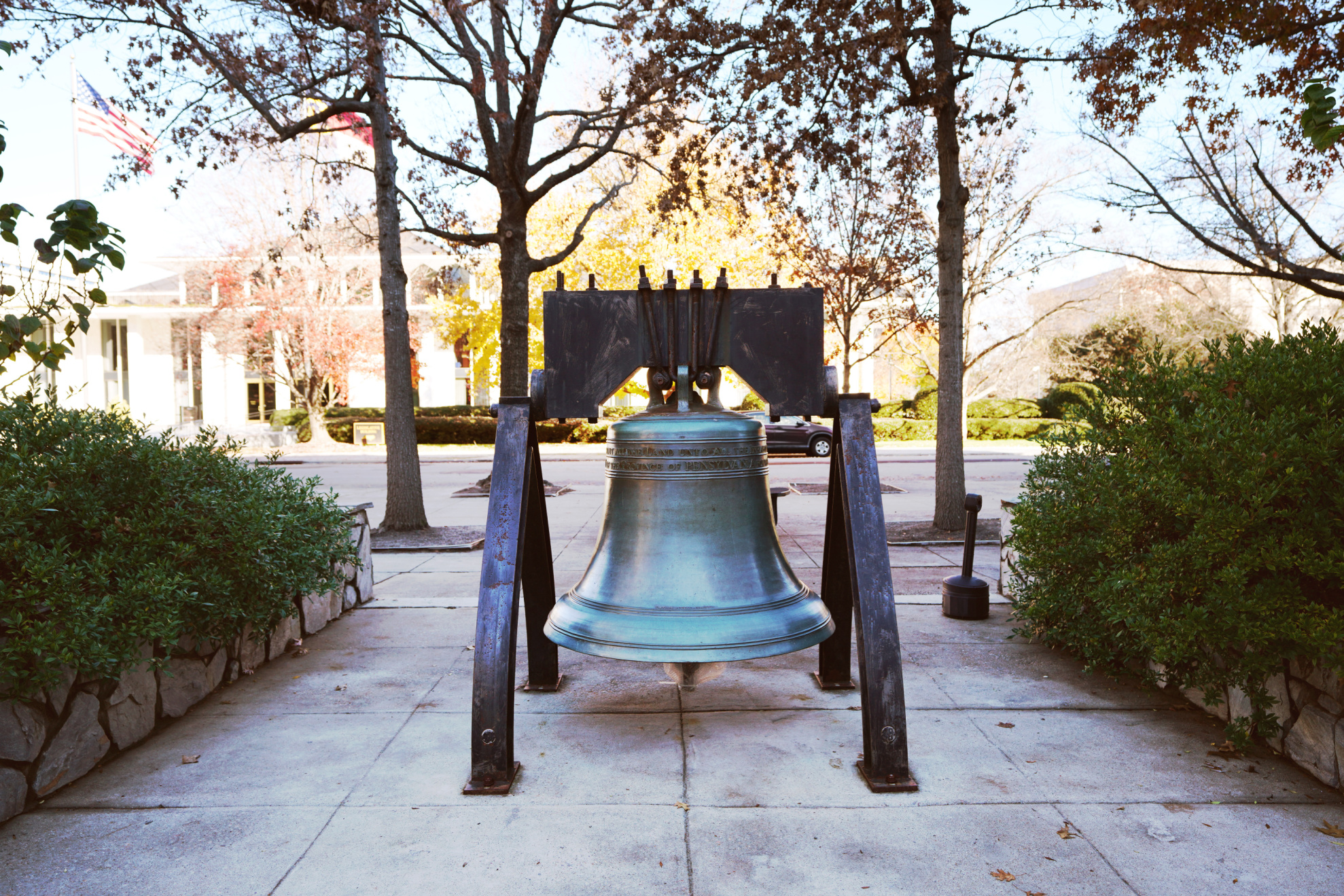
🇺🇸 Why the Liberty Bell Doesn’t Actually Ring Anymore
Did You Know?

A Rock Star’s Road to Redemption
Entertainment
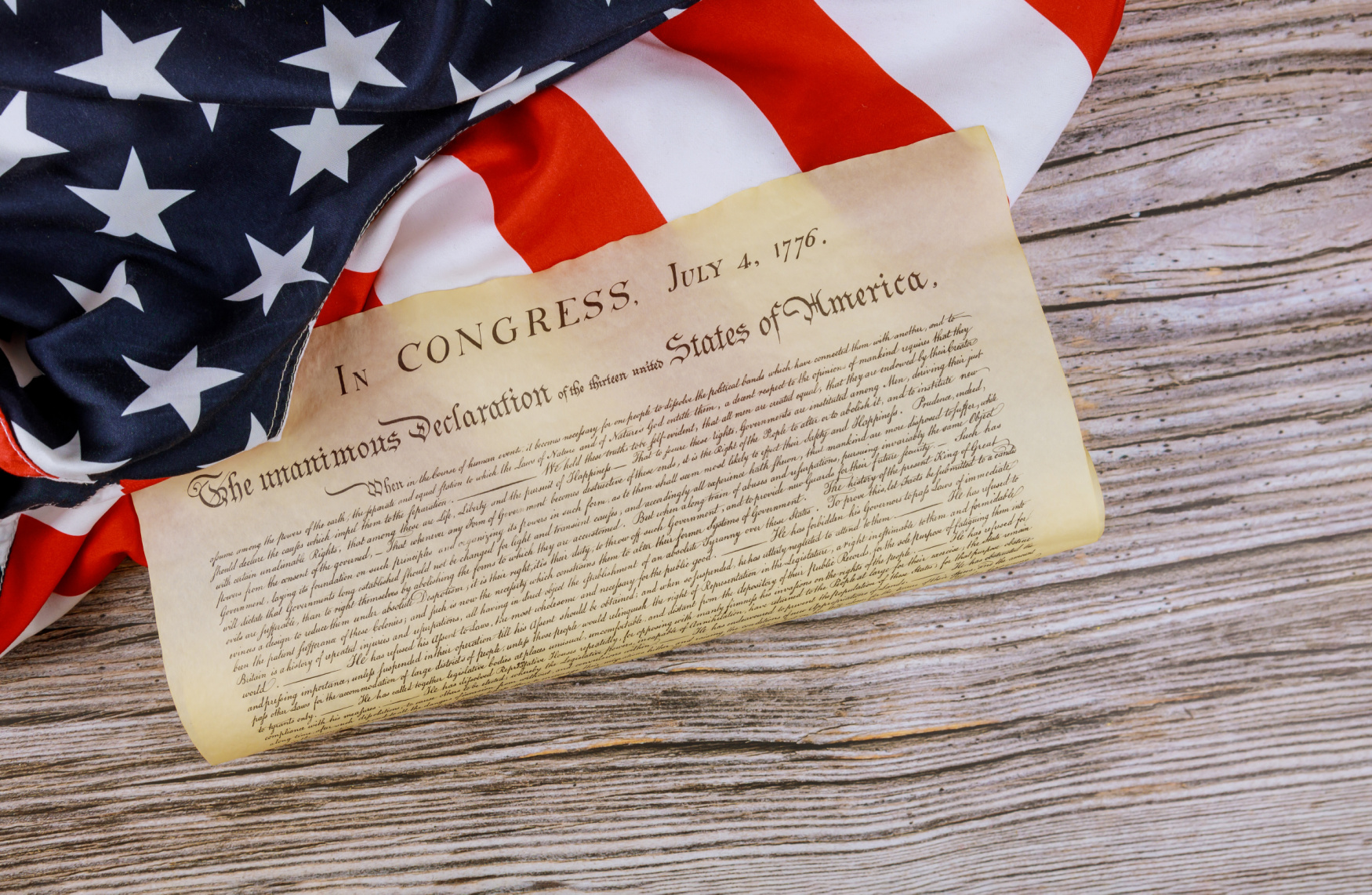
New York Community Replaces Defaced Declaration Replica
America
BE THE FIRST TO KNOW
Want to stay in the loop? Be the first to know! Sign up for our newsletter and get the latest stories, updates, and insider news delivered straight to your inbox.

More Content By
Think American News Staff🇺🇸 Why the Liberty Bell Doesn’t Actually Ring Anymore
Did You Know?
A Rock Star’s Road to Redemption
Entertainment
New York Community Replaces Defaced Declaration Replica
America

Kentucky Bridge Project Gets $24M Boost
American Infra

Arizona Extends Farm Water Fee Relief
In The States

Michigan Storm Recovery Gets Bipartisan Federal Boost
In The States

Canada Says Goodbye To Country Gentleman Tommy Hunter
Entertainment
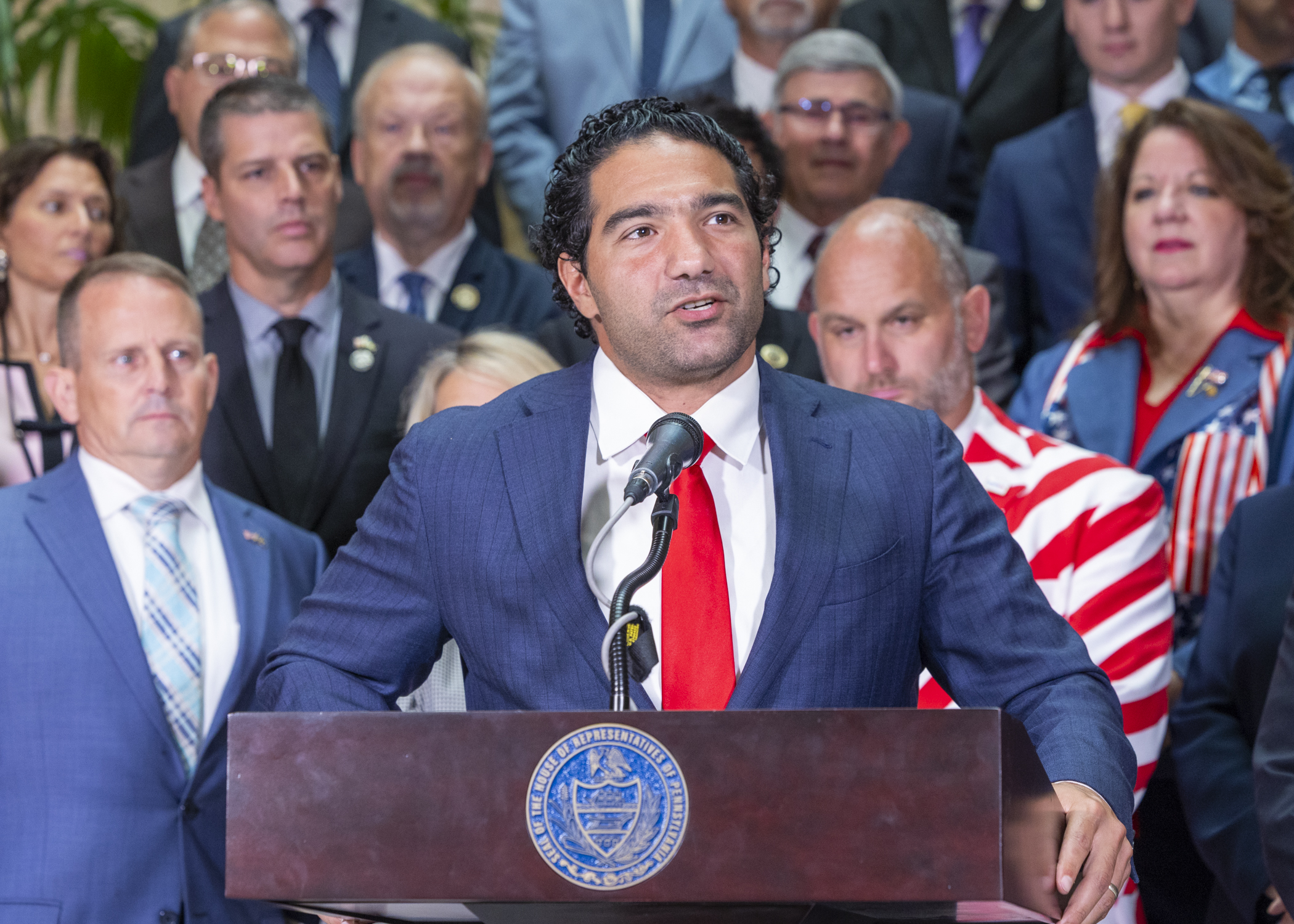
PA Lawmakers Focus on Energy
Energy

John Adams Saw America’s Future Before Anyone Else
America
The Revolutionary Ideas Behind July 4
Did You Know?
View All Content By Think American News Staff