
Adobe Stock/Africa Studio

At the center of the discussion is a package of House bills, known collectively as HCS HBs 1664, 1610, 1645, and 2182, which aims to modify several statutes of limitation across Missouri law. While the legislation touches multiple areas, one provision in particular has drawn the most attention: extending the timeframe for survivors of childhood sexual abuse to file civil lawsuits.
Expanding Time for Survivors
Under current Missouri law, individuals seeking damages related to childhood sexual abuse must file within 10 years after turning 21, or within three years of discovering the connection between the abuse and resulting harm. The proposed legislation would extend that window, giving survivors additional time to come forward.
Supporters of the change argue that the nature of childhood trauma often delays disclosure, making longer timelines essential for justice. The bill also expands the legal definition of childhood sexual abuse to include sexual exploitation of a minor, broadening the scope of cases that could qualify.
Missouri State Sen. Brad Hudson, who is carrying the legislation in the Senate, has framed the proposal as part of a broader effort to address long-standing gaps in the law. He has emphasized that statutes of limitation can significantly impact survivors’ ability to pursue accountability, particularly in cases where the effects of abuse surface years later.
Broader Legal Changes Raise Questions
While there appears to be general agreement on the importance of supporting survivors, the legislation has become more complicated due to additional provisions included in the bill package.
Among those changes is a reduction in the statute of limitations for certain personal injury claims—from five years to three—as well as a similar reduction for claims involving uninsured and underinsured motorists, which would drop from 10 years to three.
These additions have prompted concern among some lawmakers, who argue that combining multiple legal changes into a single bill risks undermining what might otherwise be a broadly supported measure.
During Senate debate, some legislators expressed support for extending the statute of limitations for abuse survivors but questioned whether the inclusion of unrelated provisions could make the bill more difficult to pass. Others raised concerns about the practical implications of significantly extending timelines, including challenges related to evidence and liability decades after an alleged incident.
Debate Slows Progress
The differences in perspective came to a head during a recent Senate session, where lawmakers engaged in a lengthy debate over the bill’s structure and scope. The discussion ultimately led to a filibuster that delayed any vote on the measure.
As it stands, the legislation has already cleared the Missouri House and remains under consideration in the Senate. However, its path forward is uncertain, particularly as lawmakers weigh whether to revise the bill or separate its provisions into individual pieces of legislation.
A Nationally Relevant Conversation
Although the debate is unfolding in Missouri, it reflects a broader national conversation about how the legal system balances accountability, fairness, and practicality in cases involving long-past harm.
States across the country have taken varying approaches to statutes of limitation for childhood sexual abuse, with some extending or eliminating time limits altogether. Missouri’s current proposal places it within that evolving landscape, as lawmakers consider how best to address both the needs of survivors and the complexities of the legal system.
For now, the discussion continues, with legislators like Hudson working to advance the conversation while navigating the competing priorities embedded within the bill. Whether the measure moves forward in its current form or undergoes revisions, it underscores the challenges—and significance—of updating laws that shape access to justice.
RECENT

Creating a Cozy Home That Supports Your Well-Being
Health & Wellness

5 Easy Ways to Prepare for the Next Season Before It Takes Over
Health & Wellness

Your 40s Aren’t Just About Hormones — They’re About Your Heart
Uncategorized

Wellness Benefits of Pumpkin Season
Health & Wellness

Fall Into Wellness: Creating a Healthier Autumn Routine
Health & Wellness

How to Prepare for Holiday Stress Before It Takes Over
Fitness
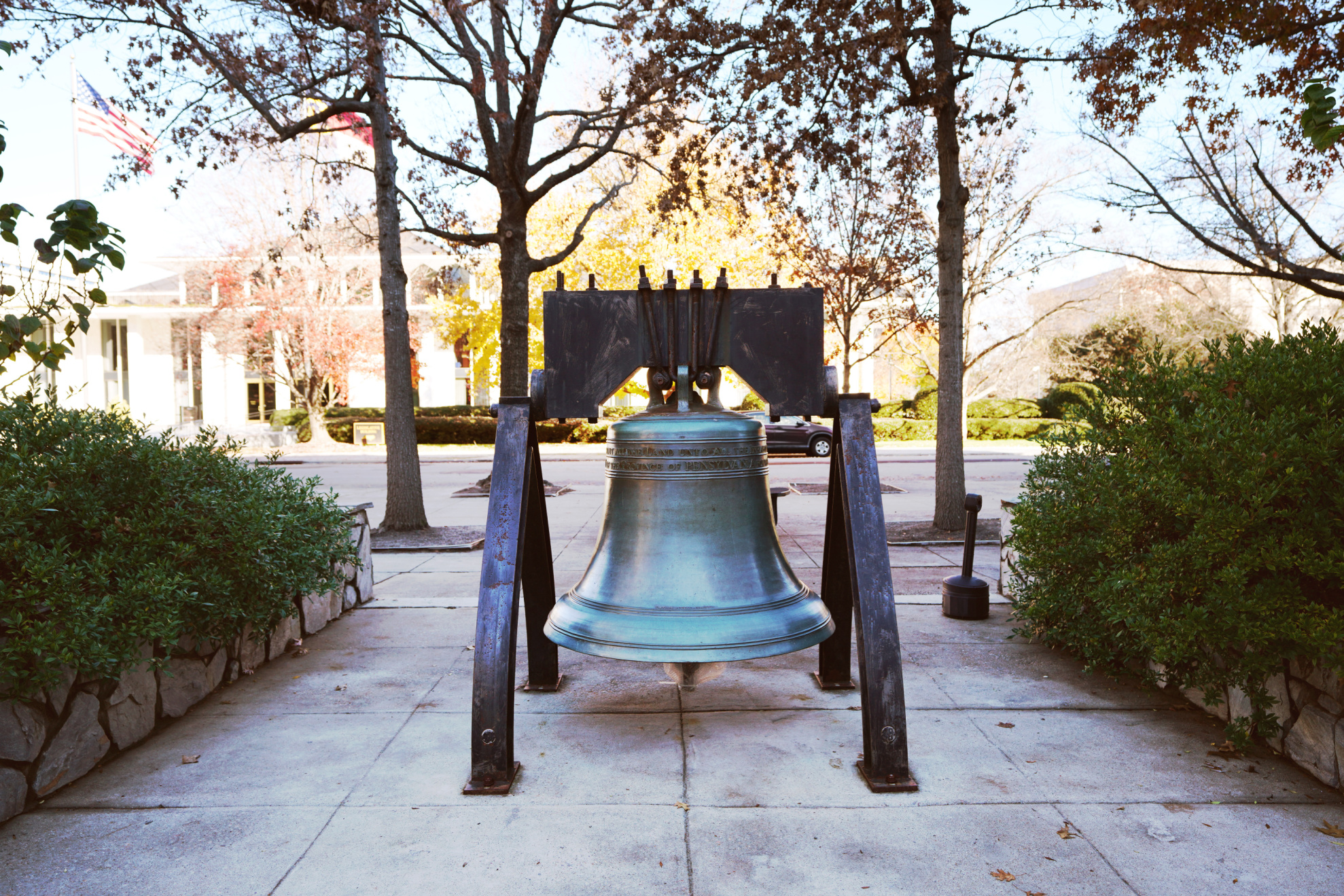
🇺🇸 Why the Liberty Bell Doesn’t Actually Ring Anymore
Did You Know?

A Rock Star’s Road to Redemption
Entertainment

New York Community Replaces Defaced Declaration Replica
America

How Four Seconds Can Help Calm the Mind
Friday Fuel
BE THE FIRST TO KNOW
Want to stay in the loop? Be the first to know! Sign up for our newsletter and get the latest stories, updates, and insider news delivered straight to your inbox.

More Content By
Think American News Staff🇺🇸 Why the Liberty Bell Doesn’t Actually Ring Anymore
Did You Know?
A Rock Star’s Road to Redemption
Entertainment
New York Community Replaces Defaced Declaration Replica
America

Kentucky Bridge Project Gets $24M Boost
American Infra

Arizona Extends Farm Water Fee Relief
In The States
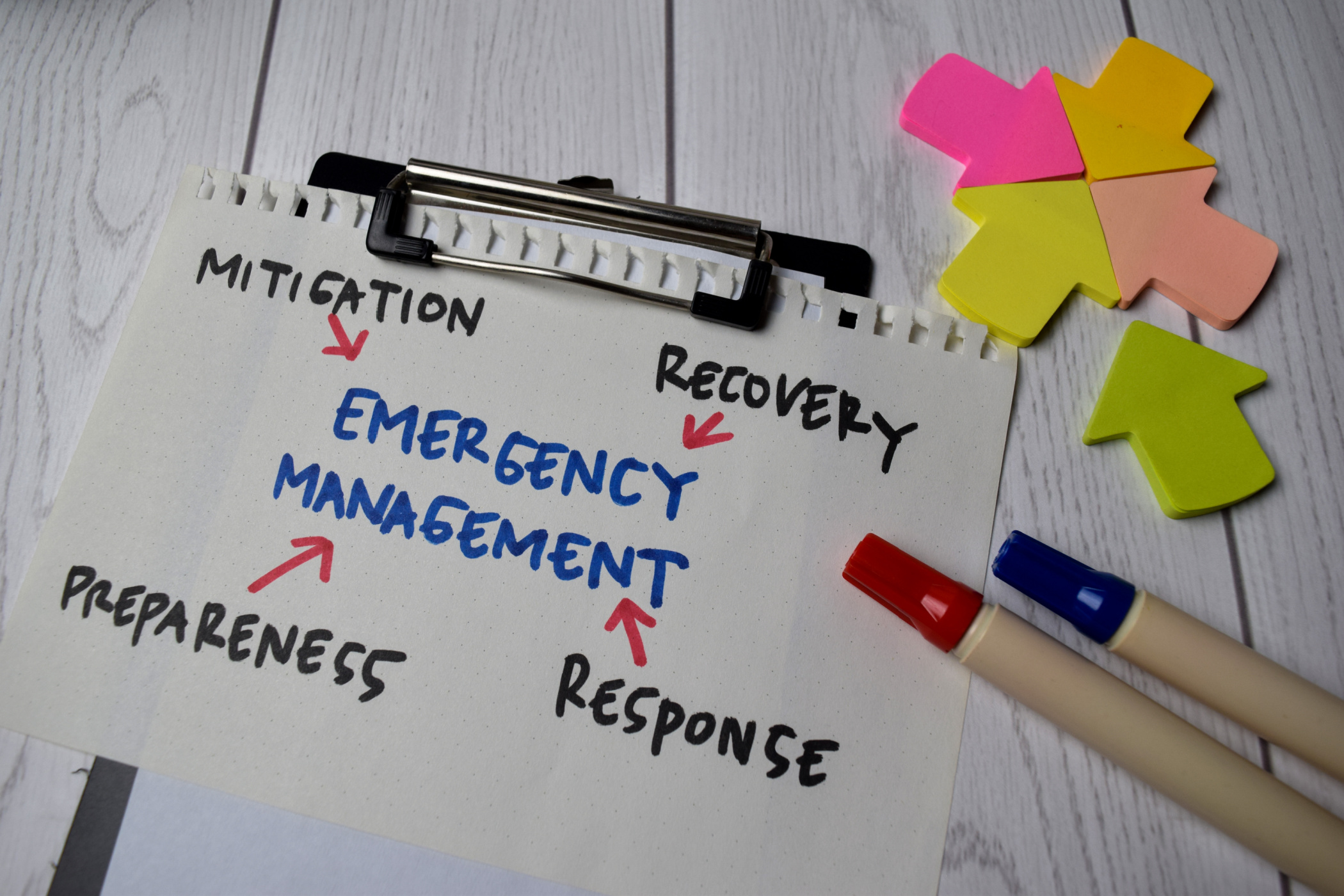
Michigan Storm Recovery Gets Bipartisan Federal Boost
In The States

Canada Says Goodbye To Country Gentleman Tommy Hunter
Entertainment

PA Lawmakers Focus on Energy
Energy

John Adams Saw America’s Future Before Anyone Else
America

The Revolutionary Ideas Behind July 4
Did You Know?
View All Content By Think American News Staff