Apr 25
In The States
After Devastating Storms, NY Lawmakers Push Relief Plan
Adobe Stock/Aleksas Kvedoras
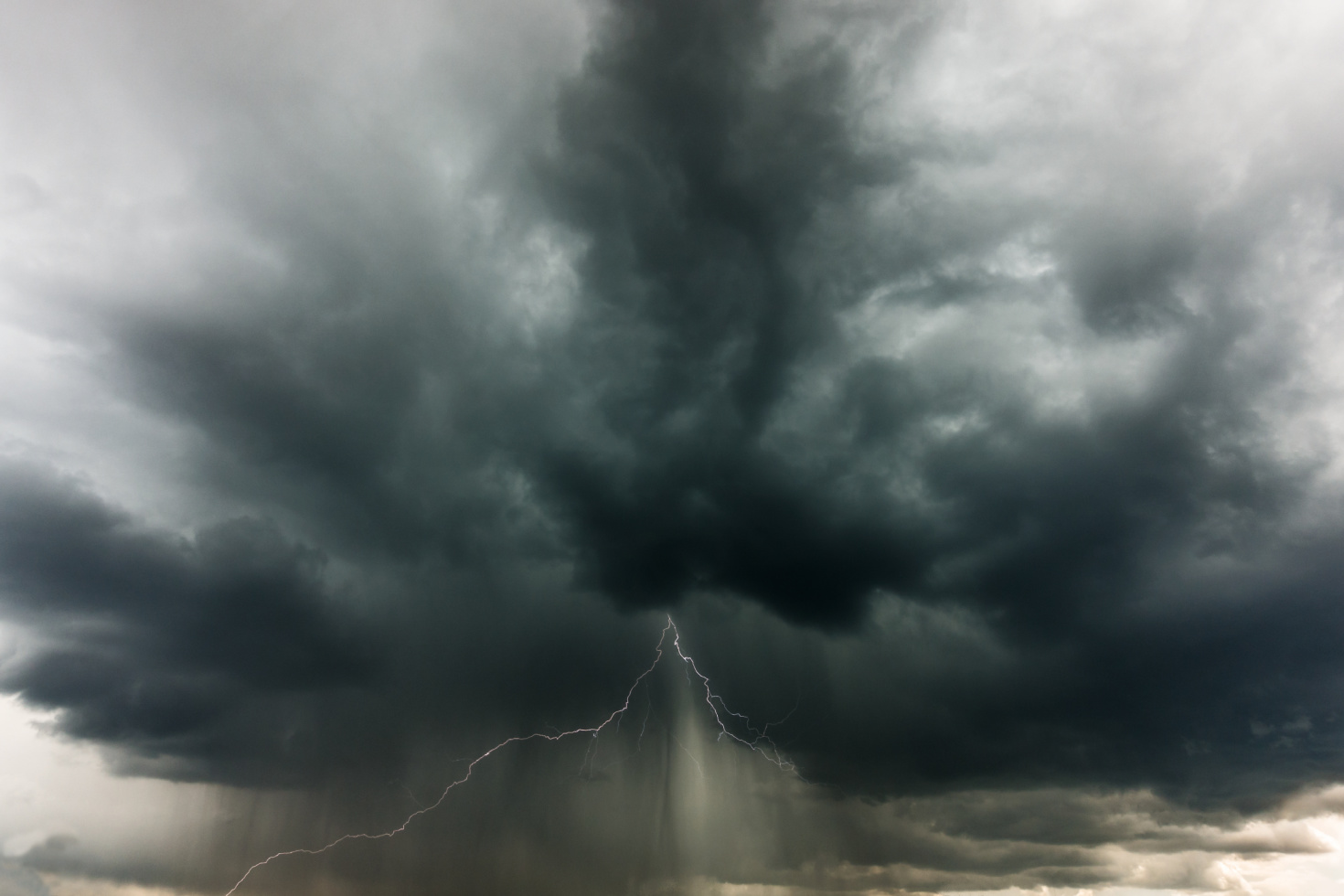
As Central New York and the Mohawk Valley continue to rebuild from a series of devastating storms, a new legislative push is gaining attention—one that aims to not only repair what’s been lost, but better prepare communities for what lies ahead.
During Severe Weather Awareness Week, State Sen. Joseph A. Griffo and Assemblywoman Marianne Buttenschon are renewing their push for legislation designed to deliver targeted relief and long-term resilience for regions repeatedly hit by extreme weather.
A Pattern of Destruction Across the Region
The legislation is rooted in very real and recent damage. On July 16, 2024, a powerful EF2 tornado tore through Rome, carving a 5.25-mile path with winds reaching 135 miles per hour. The storm damaged homes, toppled trees, destroyed structures—including church steeples—and even shifted a decommissioned B-52 bomber at Griffiss International Airport.
That storm was followed by a punishing winter stretch from January through late February 2025, when heavy snow, ice, and high winds battered communities across multiple counties. Roof collapses, ice dams, and structural damage became widespread. Then, in June 2025, another round of severe storms—including a deadly tornado—struck communities like Clark Mills, Kirkland, Clinton, and Oneida.
The cumulative toll has been significant, leaving residents, businesses, and municipalities struggling to recover.
Direct Relief for Those Hit Hardest
At the center of the proposal is the creation of a Central New York extreme weather relief and resiliency grant program, aimed at delivering immediate financial support to those impacted.
Under the plan, small businesses, farms, homeowners associations, not-for-profit organizations, and owners of multiple dwellings would be eligible for grants to cover storm-related repairs not already paid for by other programs. Grants could reach up to $100,000 for certain applicants, while homeowners could receive up to $60,000 for repairs.
Local governments would also be eligible for support, with grants of up to $1 million available to repair and strengthen infrastructure—everything from roads and bridges to drainage systems and emergency response facilities.
Strengthening Homes Before the Next Storm
Beyond recovery, the legislation focuses heavily on prevention.
It would expand the state’s “Resilient and Ready” programs, allowing for quicker emergency home repair assistance—potentially within 30 days of a disaster declaration—and funding long-term upgrades designed to withstand future storms.
These improvements could include reinforced roofing, impact-resistant windows, better insulation, storm shutters, and even residential storm shelters.
Importantly, the program would prioritize low- and moderate-income homeowners, ensuring that those most vulnerable are not left behind when it comes to rebuilding stronger.
Incentivizing Smarter Protection
The proposal also introduces a new insurance resiliency incentive program aimed at reducing costs for property owners who take steps to protect their homes.
Insurers would be encouraged to offer discounts and provide mitigation tools—such as water monitors, shutoff devices, and fire sensors—at reduced or no cost. Additional premium reductions could be tied to upgrades like storm-resistant roofing or systems designed to prevent ice dams and structural damage.
The goal is simple: make it easier and more affordable for residents to take proactive steps before disaster strikes.
“An Opportune Time” to Act
For Griffo, the urgency is clear.
“Severe Weather Awareness Week is an opportune time to advocate for legislation that will help residents and communities hit hard by extreme weather events,” he said. “We have seen the impact these events can have across our region. New Yorkers, local governments and schools need to know that when disaster strikes, the state will provide the resources necessary to help them rebuild, recover and move forward.”
Assemblywoman Buttenschon pointed to the repeated challenges facing the region.
“Unfortunately, the Mohawk Valley has faced the challenges from extreme weather occurrences,” she said. “This legislation is to assist those that need help during these unexpected disasters. This week we are reminded that no community is immune to extreme weather occurrences and the State government needs to assist in promoting resiliency and provide the resources for cleanup efforts.”
Building Toward a More Resilient Future
As the proposal moves through committee, its backers are framing it as more than just a response to past storms. It’s an effort to reshape how communities prepare for—and withstand—the next one.
For residents who have endured back-to-back disasters, the message is clear: recovery is only part of the equation. Resilience is the goal.
RECENT

Creating a Cozy Home That Supports Your Well-Being
Health & Wellness

5 Easy Ways to Prepare for the Next Season Before It Takes Over
Health & Wellness

Your 40s Aren’t Just About Hormones — They’re About Your Heart
Uncategorized

Wellness Benefits of Pumpkin Season
Health & Wellness

Fall Into Wellness: Creating a Healthier Autumn Routine
Health & Wellness

How to Prepare for Holiday Stress Before It Takes Over
Fitness
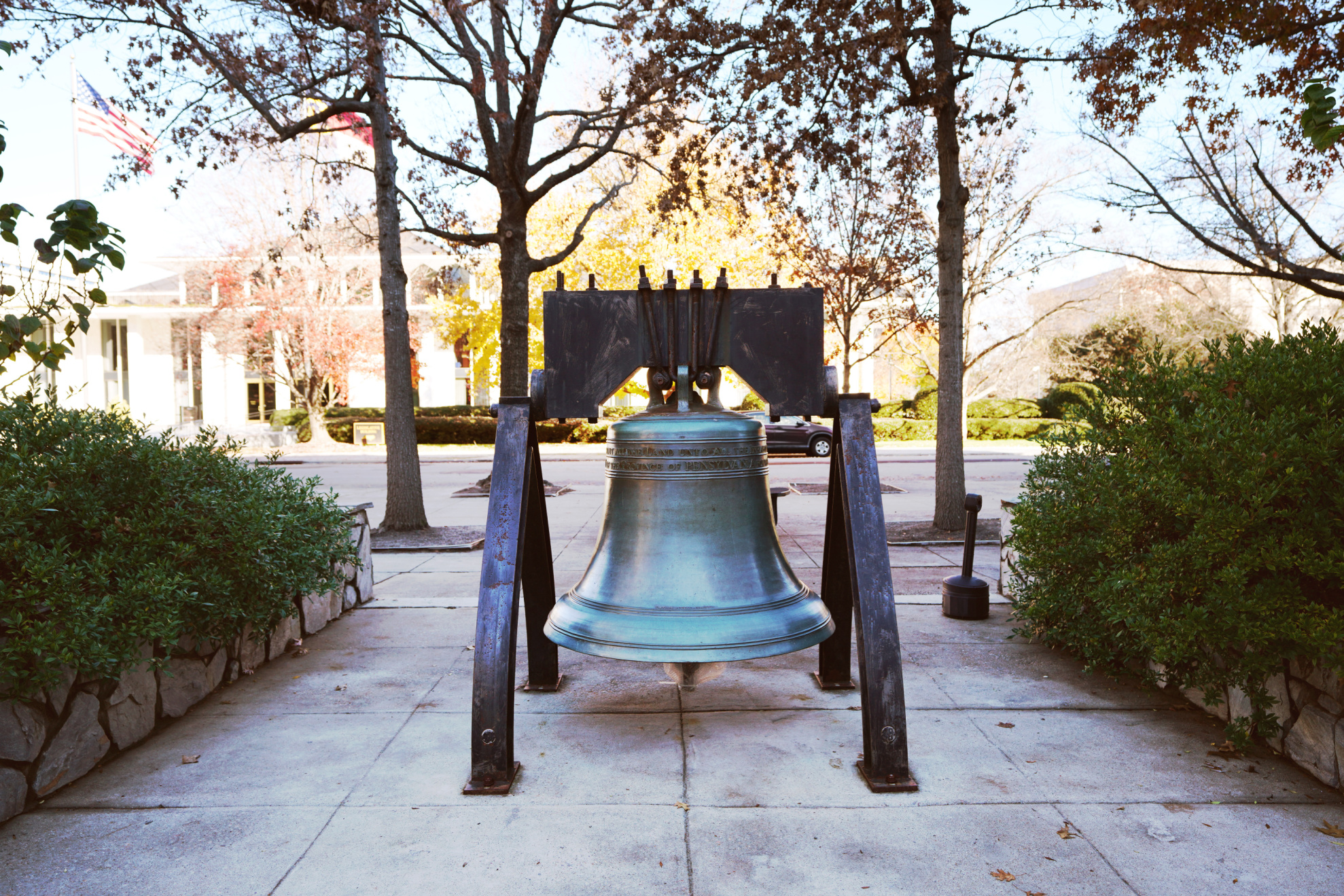
🇺🇸 Why the Liberty Bell Doesn’t Actually Ring Anymore
Did You Know?

A Rock Star’s Road to Redemption
Entertainment
New York Community Replaces Defaced Declaration Replica
America
How Four Seconds Can Help Calm the Mind
Friday Fuel
BE THE FIRST TO KNOW
Want to stay in the loop? Be the first to know! Sign up for our newsletter and get the latest stories, updates, and insider news delivered straight to your inbox.

More Content By
Think American News Staff🇺🇸 Why the Liberty Bell Doesn’t Actually Ring Anymore
Did You Know?
A Rock Star’s Road to Redemption
Entertainment
New York Community Replaces Defaced Declaration Replica
America

Kentucky Bridge Project Gets $24M Boost
American Infra
Arizona Extends Farm Water Fee Relief
In The States
Michigan Storm Recovery Gets Bipartisan Federal Boost
In The States

Canada Says Goodbye To Country Gentleman Tommy Hunter
Entertainment
PA Lawmakers Focus on Energy
Energy

John Adams Saw America’s Future Before Anyone Else
America
The Revolutionary Ideas Behind July 4
Did You Know?
View All Content By Think American News Staff