Adobe Stock/Анастасія Стягайло

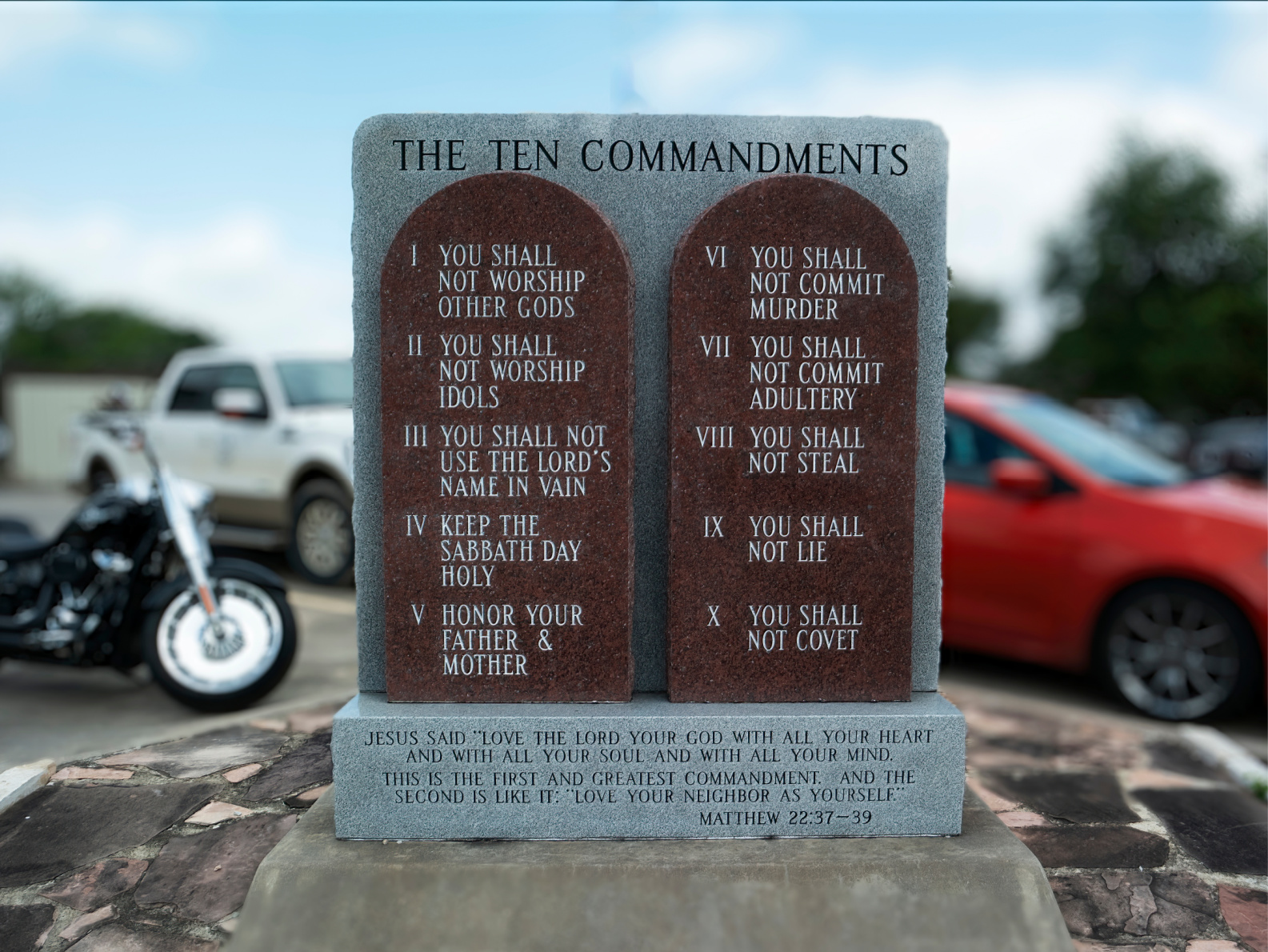
Most of us hear the commandment “You shall not make idols” and quietly move on.
It feels distant. Ancient. Not exactly relevant to a modern life filled with work schedules, family responsibilities, and the daily scroll of headlines and notifications.
After all, we’re not carving statues or bowing down to golden images.
But that doesn’t mean idols are gone.
It just means they’ve changed.
Idols Have Evolved—But the Problem Hasn’t
In scripture, an idol wasn’t just an object—it was anything that took the place of what should matter most. It was about misplacing devotion, attention, and trust.
That hasn’t gone away. If anything, it’s become easier.
Today, idols are quieter. More socially acceptable. Even encouraged.
They look like success at any cost.
They sound like the constant need for approval.
They feel like tying your worth to how others perceive you.
We don’t call these things idols. We call them goals, ambition, influence.
But when they begin to define us—when they shape our decisions, our priorities, and our sense of identity—they start to take on a different role.
One that scripture warned about long ago.
What’s Sitting at the Center?
The challenge with modern idols is that they don’t always feel wrong.
There’s nothing inherently bad about working hard, building something meaningful, or wanting to be recognized for it. The issue is what happens when those things move from being part of your life to becoming the center of it.
When work consistently comes before relationships.
When image matters more than integrity.
When validation becomes something you chase instead of something you already possess.
That’s where the shift happens.
And in a culture that constantly tells us to strive for more, be more, and show more, it’s easy to lose track of where the line is.
The Comparison Trap We Live In
Social media hasn’t created the problem—but it has amplified it.
We are surrounded by curated lives, polished moments, and carefully crafted versions of success. And whether we admit it or not, we measure ourselves against it.
We elevate people we don’t know.
We chase standards that don’t last.
We borrow identities that were never meant to be ours.
Over time, it creates a subtle but powerful shift: we begin to look outward for validation instead of inward for truth.
And that’s where idols quietly take hold.
Faith Calls Us Back to Center
The commandment against idols isn’t about restriction—it’s about realignment.
It’s a reminder to keep what’s meant to be central at the center.
Because when identity is built on things that can change—status, success, approval—it will always feel unstable. There will always be something more to chase, something else to prove.
Faith offers something different.
It grounds identity in something steady. It points us back to purpose, to character, to values that don’t shift with circumstances.
And perhaps most importantly, it reminds us that we don’t have to earn our worth.
A Quiet Check-In
This isn’t about guilt. It’s about awareness.
Take a moment this week and ask yourself:
What do I think about most?
What drives my decisions?
What would shake me the most if it disappeared?
The answers might be revealing.
Because idols don’t announce themselves. They don’t demand attention outright.
They just slowly take it.
And the good news is, what’s been misplaced can always be reset.
A shift in focus.
A step back from comparison.
A decision to value what actually lasts.
The commandment still holds—not because the world hasn’t changed, but because human nature hasn’t.
RECENT

Your 40s Aren’t Just About Hormones — They’re About Your Heart
Uncategorized

Wellness Benefits of Pumpkin Season
Health & Wellness

Fall Into Wellness: Creating a Healthier Autumn Routine
Health & Wellness

How to Prepare for Holiday Stress Before It Takes Over
Fitness
🇺🇸 Why the Liberty Bell Doesn’t Actually Ring Anymore
Did You Know?

A Rock Star’s Road to Redemption
Entertainment

New York Community Replaces Defaced Declaration Replica
America
How Four Seconds Can Help Calm the Mind
Friday Fuel

Heather Jenkins and The Power of Intentional Rest
Health & Wellness

Kentucky Bridge Project Gets $24M Boost
American Infra
BE THE FIRST TO KNOW
Want to stay in the loop? Be the first to know! Sign up for our newsletter and get the latest stories, updates, and insider news delivered straight to your inbox.

More Content By
Quinn Harper
Faithfulness Is More Than Marriage
Marriage
When Disagreement Becomes Contempt
Opinion

The People We Take for Granted
Opinion

Freedom Was Never Free—And We Shouldn’t Live Like It Was
America
Maybe We’ve Forgotten How to Rest
Opinion
Faith, Words, and Integrity
Opinion
We Don’t Bow to Idols Anymore—Or Do We?
Opinion

Where Faith Meets Real Life
Opinion

Is Gen Z Finding Faith Again? Not So Fast
Opinion

After Easter: Now What? Living the Resurrection in Everyday Life
Opinion
View All Content By Quinn Harper