
Adobe Stock/Marinela
We live in a world where exhaustion has somehow become a status symbol.
People wear busyness like a badge of honor. We brag about long hours, overloaded schedules, and how little sleep we’re running on. Phones buzz constantly. Emails never stop. Even moments that are supposed to feel restful are interrupted by scrolling, notifications, and the pressure to stay connected.
Somewhere along the way, we started treating rest like something that has to be earned.
And in the process, many of us have forgotten how to actually slow down.
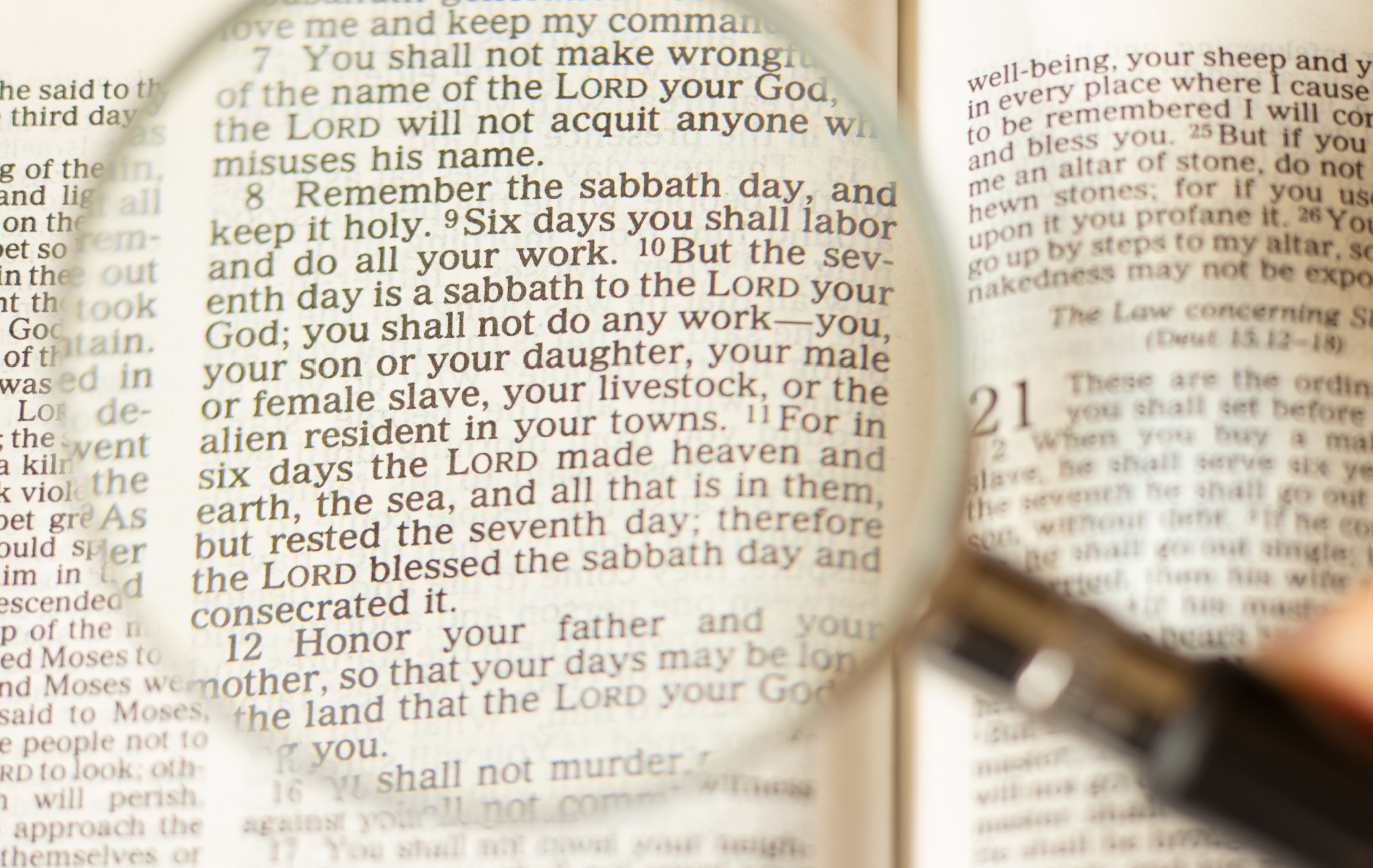
That’s part of why the commandment to “Remember the Sabbath day, to keep it holy” still feels surprisingly relevant today.
Because maybe this commandment was never just about attending church. Maybe it was also about protecting something human beings desperately need: pause.
A Culture Addicted to Busy
Modern life moves fast. Faster than most of us were ever meant to handle.
There’s always another task to complete, another message to answer, another obligation waiting around the corner. Even when we technically stop working, our minds rarely do.
We sit on the couch while checking emails.
We eat dinner while scrolling social media.
We spend time with family while half-paying attention to our phones.
Rest has become physical inactivity without mental peace.
And the consequences are everywhere.
People are burned out. Relationships feel strained. Attention spans are shrinking. Anxiety is high. Even children are growing up in environments where constant stimulation has become normal.
Yet despite all of that, slowing down can still make people feel guilty.
Rest Was Never Meant to Feel Lazy
That’s the irony behind this commandment.
The Sabbath was never intended to be restrictive—it was protective.
It was a reminder that human beings are not machines. We were not designed to produce endlessly without pause. Rest was built into creation itself long before modern culture convinced us that our worth is tied to productivity.
And yet today, many people feel uncomfortable doing nothing.
Silence feels awkward. Stillness feels unproductive. A free afternoon can create anxiety instead of peace because we’ve conditioned ourselves to believe we should always be doing more.
But constantly running doesn’t necessarily mean we’re moving in the right direction.
Sometimes it just means we’ve forgotten how to stop.
The Cost of Constant Noise
One of the biggest struggles today is that very few people experience true quiet anymore.
There’s always something competing for attention—news, podcasts, videos, notifications, endless opinions. We consume information from the moment we wake up until the moment we go to sleep.
And while technology itself isn’t the enemy, constant noise leaves very little room for reflection.
Very little room for prayer.
Very little room for gratitude.
Very little room to actually hear our own thoughts.
That kind of stillness matters more than we realize.
Because clarity rarely comes in chaos.
A Small Reset
Maybe honoring the Sabbath today starts smaller than we think.
Maybe it means putting the phone down for an hour.
Maybe it means eating dinner without distractions.
Maybe it means taking a walk without headphones.
Maybe it means making space for faith, family, and reflection again.
Not because life suddenly becomes less busy—but because we intentionally choose not to let busyness control everything.
The truth is, rest is not weakness.
Rest is wisdom.
And perhaps one of the most countercultural things a person can do today is simply pause long enough to remember what actually matters.
RECENT
🇺🇸 Why the Liberty Bell Doesn’t Actually Ring Anymore
Did You Know?
A Rock Star’s Road to Redemption
Entertainment
New York Community Replaces Defaced Declaration Replica
America
How Four Seconds Can Help Calm the Mind
Friday Fuel

Heather Jenkins and The Power of Intentional Rest
Health & Wellness

Kentucky Bridge Project Gets $24M Boost
American Infra
Arizona Extends Farm Water Fee Relief
In The States

Macaroni, Dive Bars and Sundaes: July 7 Gets Weird
Offbeat Observances
Michigan Storm Recovery Gets Bipartisan Federal Boost
In The States
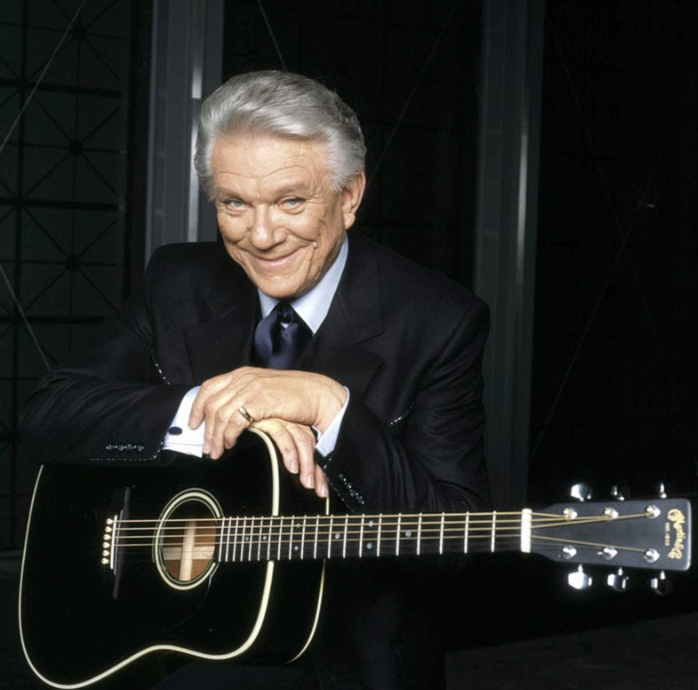
Canada Says Goodbye To Country Gentleman Tommy Hunter
Entertainment
BE THE FIRST TO KNOW
Want to stay in the loop? Be the first to know! Sign up for our newsletter and get the latest stories, updates, and insider news delivered straight to your inbox.

More Content By
Quinn Harper
Faithfulness Is More Than Marriage
Marriage
When Disagreement Becomes Contempt
Opinion

The People We Take for Granted
Opinion

Freedom Was Never Free—And We Shouldn’t Live Like It Was
America
Maybe We’ve Forgotten How to Rest
Opinion
Faith, Words, and Integrity
Opinion
We Don’t Bow to Idols Anymore—Or Do We?
Opinion
Where Faith Meets Real Life
Opinion
Is Gen Z Finding Faith Again? Not So Fast
Opinion

After Easter: Now What? Living the Resurrection in Everyday Life
Opinion
View All Content By Quinn Harper