Adobe Stock/doucefleur

Stress Is More Than Emotional
Stress is often talked about as an emotional issue, but what many people fail to realize is that stress creates very real physical changes within the body. While occasional stress is a normal part of life, chronic stress can quietly affect nearly every system in the body — from metabolism and digestion to sleep, hormones, and immune function.
As a coach, I see this often. Many men and women believe they are simply “unmotivated,” exhausted, bloated, gaining weight, or unable to stay consistent. In reality, their nervous system is overloaded and their body is operating in survival mode.
Understanding how stress affects the body can help us take a more intentional approach to our health.
What Happens to the Body During Stress?
When the brain perceives stress, the body activates its “fight or flight” response. Hormones like cortisol and adrenaline increase to help the body react quickly to perceived danger.
This response is helpful in short bursts — but when stress becomes constant, the body never fully settles back into recovery mode.
Physical Effects of Chronic Stress
Increased Fat Storage
Elevated cortisol levels can contribute to increased fat storage, particularly around the abdominal area. Chronic stress may also increase cravings for sugar, processed foods, and high-calorie comfort foods.
Muscle Tension and Fatigue
Stress keeps the body physically tense. Many people unknowingly carry stress in their neck, shoulders, jaw, and lower back. Over time, this can lead to headaches, soreness, fatigue, and chronic discomfort.
Disrupted Sleep
The body struggles to recover without quality sleep. Stress can make it difficult to fall asleep, stay asleep, or reach deep restorative sleep cycles. Poor sleep then worsens recovery, hunger signals, and emotional regulation.
Digestive Issues
The digestive system is highly sensitive to stress. Symptoms may include:
• Bloating
• Constipation
• Stomach discomfort
• Acid reflux
• Changes in appetite
Many people focus only on food quality without realizing stress itself may be disrupting digestion.
Lower Immune Function
When the body remains under chronic stress, immune defenses may weaken, making individuals more susceptible to illness, inflammation, and slower recovery.
Hormonal Imbalances
Long-term stress can disrupt multiple hormones throughout the body, affecting energy, mood, metabolism, recovery, and even workout performance.
The Mental Impact of Stress
While this article focuses primarily on the physical effects, the mental impact cannot be ignored. Stress may contribute to:
• Brain fog
• Irritability
• Anxiety
• Low motivation
• Emotional eating
• Difficulty concentrating
• Feeling mentally “checked out”
Over time, the body and mind begin working against each other instead of together.
Why Managing Stress Matters for Overall Health
At RB Coaching, we teach clients that true transformation is not just about workouts and meal plans. A body under constant stress will struggle to perform, recover, and function optimally no matter how “perfect” the diet may seem.
Our coaching systems help men and women:
• Create structured routines
• Improve sleep habits
• Build sustainable fitness habits
• Reduce overwhelm
• Develop healthier coping mechanisms
• Support both physical and mental wellness
Fitness should strengthen the body — not punish it.
When we learn how to support the nervous system, manage stress appropriately, and take care of the body as a whole, we create an environment where real transformation can happen physically, mentally, and emotionally.
Ready to transform your life completely?
Follow Rosemary on Instagram for daily fitness tips and motivation!
At Think American, we’re all about progress over perfection—because the American spirit is rooted in resilience, routine, and rising to the challenge. Coach Rosemary’s message is clear: you don’t need fancy equipment or a complicated fitness plan. You just need to start. Lace up your shoes, step outside, and put one foot in front of the other. The road to better health, more energy, and mental clarity might just begin with a daily walk.
For more inspiration and actionable tips, follow @rosemarybonner_ on Instagram—and keep showing up for yourself. Because strong citizens build a strong America.
RECENT

Creating a Cozy Home That Supports Your Well-Being
Health & Wellness

5 Easy Ways to Prepare for the Next Season Before It Takes Over
Health & Wellness

Your 40s Aren’t Just About Hormones — They’re About Your Heart
Uncategorized

Wellness Benefits of Pumpkin Season
Health & Wellness
Fall Into Wellness: Creating a Healthier Autumn Routine
Health & Wellness

How to Prepare for Holiday Stress Before It Takes Over
Fitness
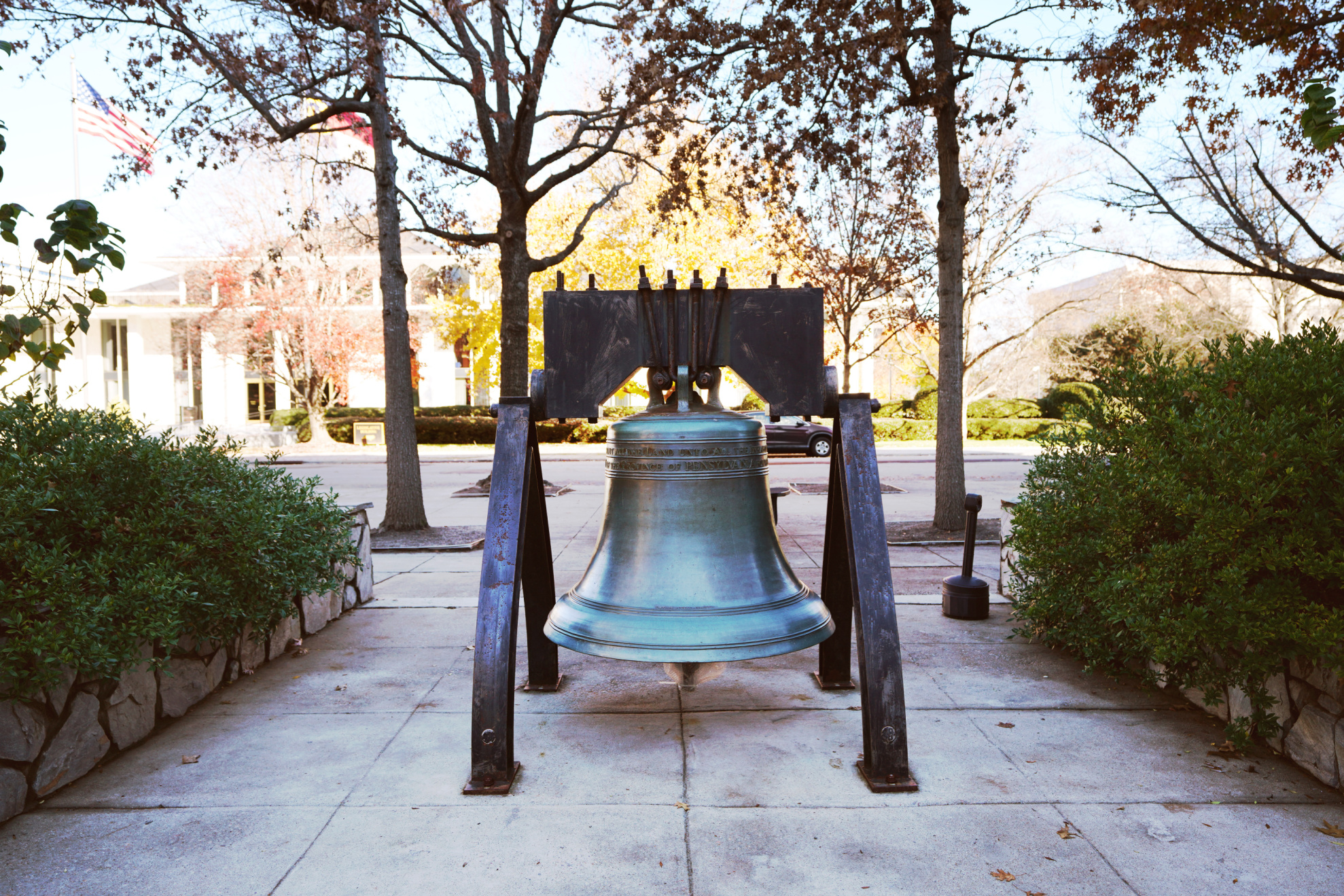
🇺🇸 Why the Liberty Bell Doesn’t Actually Ring Anymore
Did You Know?

A Rock Star’s Road to Redemption
Entertainment

New York Community Replaces Defaced Declaration Replica
America
How Four Seconds Can Help Calm the Mind
Friday Fuel
BE THE FIRST TO KNOW
Want to stay in the loop? Be the first to know! Sign up for our newsletter and get the latest stories, updates, and insider news delivered straight to your inbox.

More Content By
Rosemary Bonner5 Easy Ways to Prepare for the Next Season Before It Takes Over
Health & Wellness
Your 40s Aren’t Just About Hormones — They’re About Your Heart
Uncategorized
How to Prepare for Holiday Stress Before It Takes Over
Fitness
How Four Seconds Can Help Calm the Mind
Friday Fuel

Before You Reach for That Snack, Drink a Glass of Water
Friday Fuel

Rosemary Bonner: Your Body Is Talking. Are You Listening?
Friday Fuel

Sunshine, Fresh Air, and Better Health
Friday Fuel

Transformation Isn’t Hard—Staying Comfortable Is
Friday Fuel

Before You Reach for the Bottle, Look to Nature First
Friday Fuel

The Truth About Summer Crash Diets — And What Actually Works
Friday Fuel
View All Content By Rosemary Bonner