Jun 12
Happiness
A Nation Numbed: What 1-in-5 on Mental Health Meds Says About America in 2025
Adobe Stock/designervector/stock.adobe.com
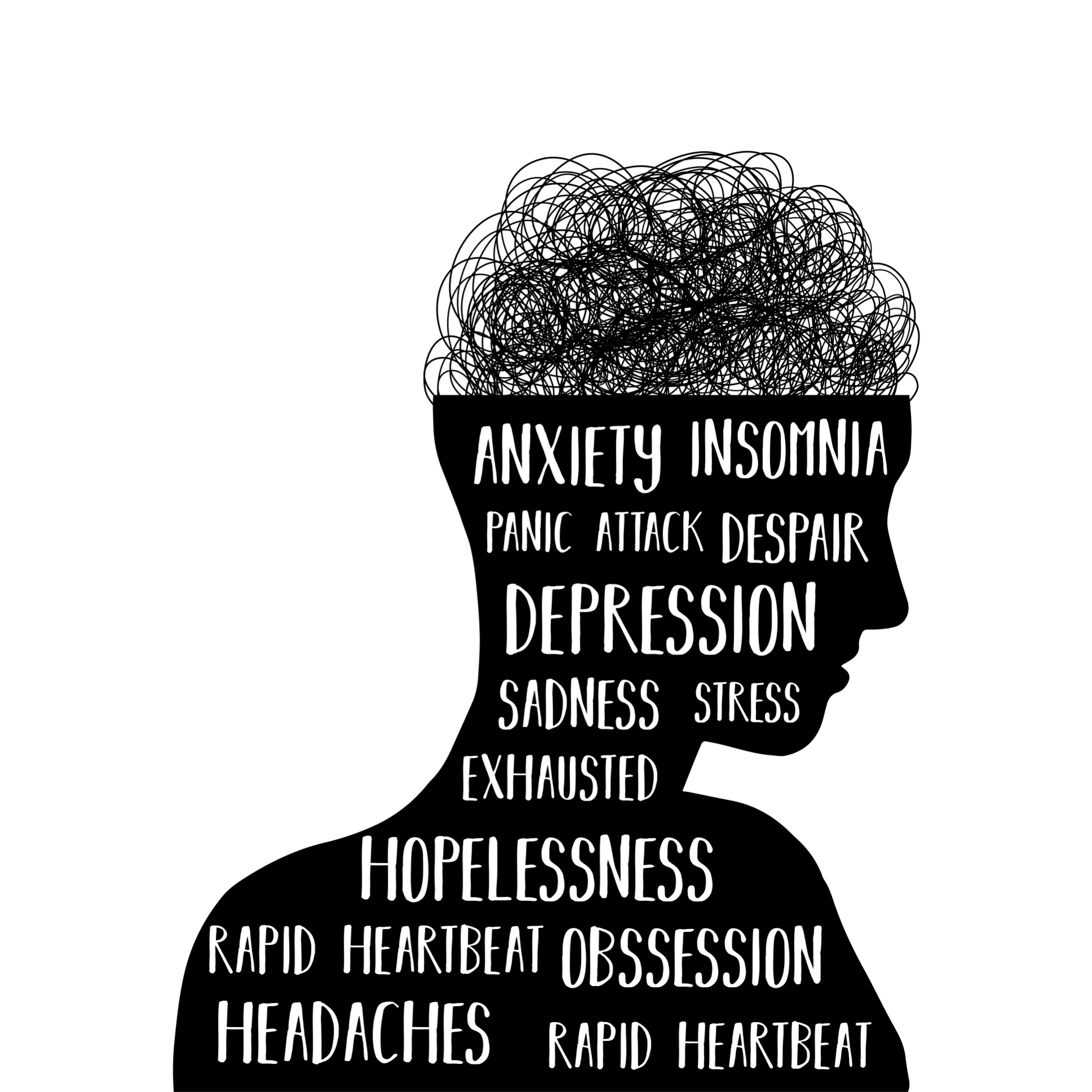
There’s something deeply unsettling about the latest mental health data from Rasmussen out this week. According to their newest national poll, one in five American adults is currently taking prescription medication for a psychiatric condition. Nearly a quarter of the population has been diagnosed with a mental health issue at some point in their lives. And younger Americans, particularly young women, are struggling the most.
Let that sink in.
We are a country where millions wake up each day relying on a pill bottle just to face the world. And yet, for all the awareness campaigns, all the mental health apps, all the de-stigmatization messaging—things aren’t getting better. They’re getting worse.
Don’t get me wrong. This isn’t about shaming those who need help. I’ve been a vocal advocate for seeking support when it’s needed. Therapy, medication, faith, fitness, rest, community—all are vital tools in the toolbox of healing. But this poll doesn’t just suggest that people are finally seeking help—it points to something much darker: the sheer volume of Americans battling daily mental distress has reached epidemic proportions.
And we should be asking why.
Why are we medicating in such massive numbers? Why are young people—especially young women—reporting such high levels of psychological suffering? Why are liberals far more likely than conservatives to seek therapy and report a mental health diagnosis? What’s happening beneath the surface?
When 43% of self-identified liberals under 40 report being diagnosed with a mental health condition, we’re no longer talking about fringe trends. This is a social crisis.
We can’t ignore the culture we’ve built—one that isolates more than it connects. Despite the constant noise of social media, we’ve never felt more alone. We scroll through highlight reels, comparing our lives to curated perfection, drowning in dopamine hits but starved for real, soul-filling connection. Loneliness isn’t just a side effect—it’s the disease itself.
We’ve also pathologized ordinary human experiences. Feel sad for a few days? You’re depressed. Can’t focus during your afternoon Zoom call? Must be ADHD. Anxious about money, crime, or the future? Well, that might be generalized anxiety disorder. We’re medicalizing the symptoms of a society that’s burning itself out—and then handing people a prescription as if that’s the solution.
Add to that a generation raised on screens, educated during lockdowns, and launched into adulthood amid financial instability, social unrest, and political chaos—and you get exactly what this poll shows: a generation drowning.
It’s not just young people, either. The data shows that women, unmarried adults, and government employees are also reporting mental health struggles at strikingly high levels. It’s as if the very people meant to support our system—parents, workers, public servants—are being ground down by it.
And here’s the part that’s hardest to admit: this is not a partisan issue, but it is a cultural one. The data shows a clear difference between conservatives and liberals in mental health outcomes. Some will argue that conservatives are simply less likely to seek help or admit they’re struggling—and there’s some truth to that. But I also think there’s something to be said about the stability of worldview.
Faith. Family. Patriotism. Purpose.
These are not just political talking points. They are anchors—protective factors that give people resilience when the storms of life hit. A belief in something bigger than yourself can sometimes be the difference between despair and determination.
Our culture has pushed many of those anchors aside in favor of radical individualism, online validation, and a relentless pursuit of “authenticity” that often leaves people more exposed than empowered.
So yes, this data is heartbreaking. But it’s also a wake-up call.
We don’t need more slogans or hashtags. We need real reform—starting at home. We need to teach kids how to cope, not just how to diagnose. We need stronger families, stronger communities, and institutions that actually care about people’s well-being. We need to value service over self, purpose over pleasure, and connection over clicks.
Most of all, we need to talk to each other. Face to face. Without filters, without distractions, without assuming someone’s political identity before we even ask how they’re doing. We need to restore the basic fabric of humanity—because no amount of medication can substitute for meaning.
Mental health treatment is necessary. But it shouldn’t be the norm for one in five Americans to need medication just to function. That’s not a celebration of awareness. That’s a silent scream for help.
And it’s time we listened.
RECENT

“Good Ol’ USA” Hits a High Note
Entertainment

Kentucky Senate Marks Lorie Anne Parker’s Passing
In The States

The Ship That Changed History
History

What to Watch as Election Buzz Builds
Elections

Wisconsin Eagle Scout Honored
Community
New Alabama Laws Boost Veterans, Guard Benefits
In Service

Soul Condition Strikes a Chord
Entertainment

A “Bear-y” Unexpected Traffic Stop in New York
Animals

Opportunity Is Evolving
Did You Know?

Before You Buy a Dog, Read This First
Mans Best Friend
BE THE FIRST TO KNOW
Want to stay in the loop? Be the first to know! Sign up for our newsletter and get the latest stories, updates, and insider news delivered straight to your inbox.

More Content By
Jessica Curtis
Everyone’s in a Hurry… for What?
Opinion

When Did Common Courtesy Become Optional?
Living Civics

Meet Taylor Mieszkuc: A Rising Voice with “Matches”
Entertainment

Four Astronauts, One Perspective: A Lesson for Earth
Kindness

Built to Last
Marriage

Kindness in the Crossroads
Living Civics

The Power of a Simple Hello
Living Civics

A Simple Rule for a Better Society
Living Civics

A Little More Sparkle, A Lot More Grace
Kindness

More Than Gold: The Olympics and a Brief Return to Shared Pride
Living Civics
View All Content By Jessica Curtis