Apr 18
In Service
New Alabama Laws Boost Veterans, Guard Benefits
Office of Governor Kay Ivey
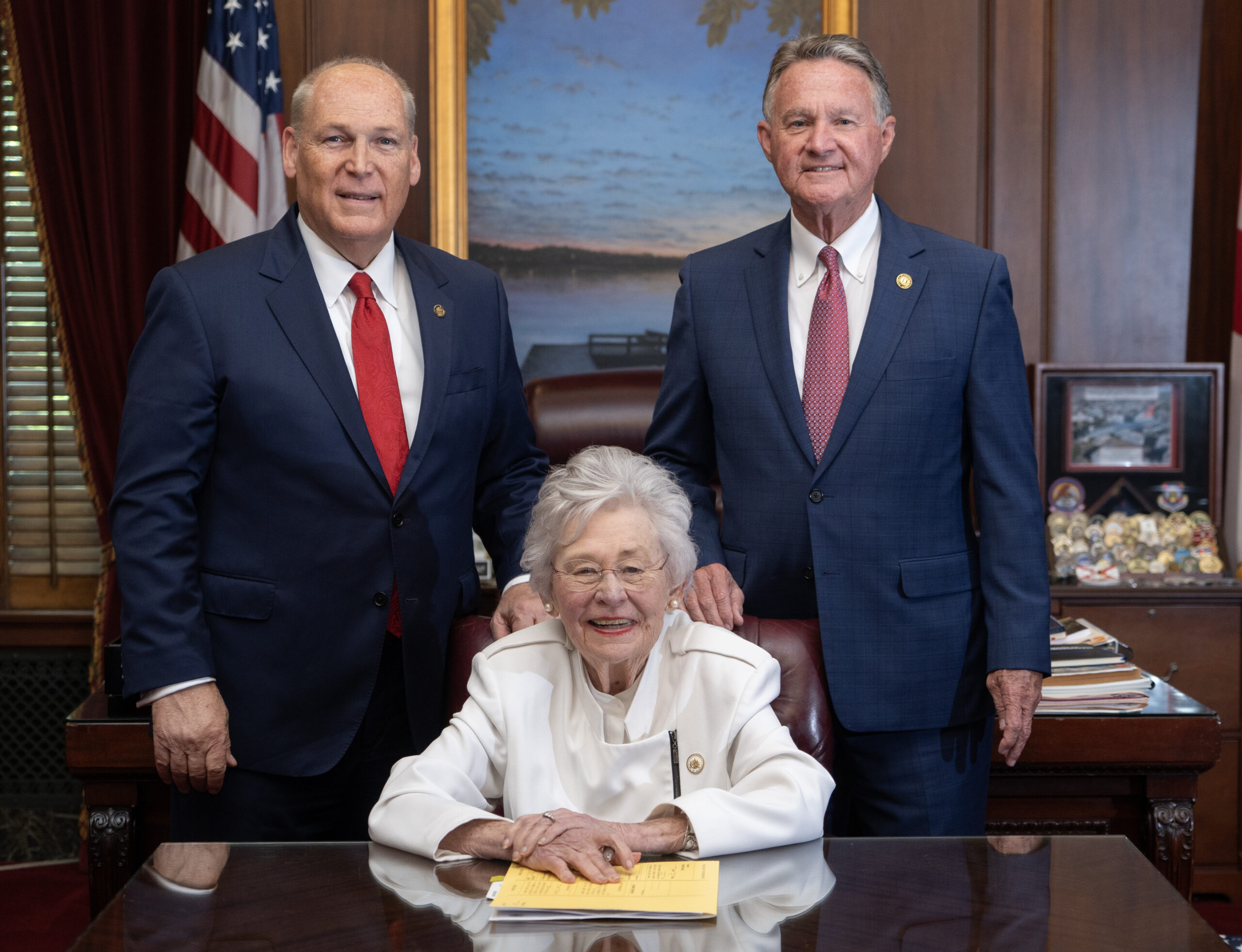
Governor Kay Ivey is putting a renewed focus on those who have served, signing a wide-ranging package of legislation designed to strengthen support for Alabama’s military members, veterans, and their families. The newly enacted measures, approved during the latest legislative session, touch on everything from education and workforce development to tax relief, housing access, and career opportunities—signaling a comprehensive approach to honoring service while investing in the state’s future.
A Broader Commitment to Service Members and Families
At the heart of the legislation is a recognition that military service extends beyond the individual. Families, spouses, and even future generations are impacted—and, in turn, play a role in strengthening communities. Governor Ivey underscored that commitment, stating, “Alabamians are among the most patriotic Americans and their dedication to protect our country and safeguard our freedom continually deserves our praise and support. I was pleased to sign into law this session legislation addressing military education and workforce training benefits and promoting greater employment opportunities for military spouses. These measures and others I have signed further demonstrate our gratitude to our military and their families for their service as well as leveraging their unique skills in growing Alabama’s workforce.”
Expanding Education and Workforce Pathways
One of the most impactful changes comes through the expansion of the Alabama National Guard Education Assistance Program. Traditionally focused on degree-based education, the program will now include workforce development training—opening doors for Guardsmen to pursue skilled trades and certifications that meet real-time workforce demands. The legislation also improves the timeliness of tuition assistance payments, addressing a practical concern for many service members balancing education and duty.
Another workforce-focused measure ensures that military training counts toward civilian credentials. By requiring the Alabama Department of Public Health to recognize military experience for Emergency Medical Services licensure, the state is helping veterans transition more seamlessly into critical, in-demand roles. It’s a move that benefits both the individual and the broader healthcare system.
Opening Doors for Veterans in the Classroom
In an effort to address ongoing teacher shortages, Alabama is also turning to a unique and often underutilized talent pool—its veterans. A new law authorizes the issuance of temporary teaching certificates to eligible veterans, even if they do not yet meet traditional degree requirements. The initiative creates a pathway for veterans to bring leadership, discipline, and real-world experience into classrooms while providing schools with much-needed support.
Supporting Military Families in the Workforce
Recognizing the challenges that frequent relocations can pose, another key piece of legislation enhances hiring and promotion preferences for military spouses within state government. It also encourages local governments and private employers to extend similar preferences. The goal is simple but significant: make it easier for military families to build stable, meaningful careers no matter where duty calls.
Financial Relief and Housing Accessibility
Several of the newly signed bills focus on easing financial burdens. Alabama National Guard members will soon see a state income tax exemption on the first $5,000 earned from inactive duty training, beginning in 2027. For veterans with total disabilities, the changes are even more substantial. New laws remove annual homestead exemption verification requirements and streamline the home loan process by allowing early access to property tax exemption certification—helping veterans secure housing more efficiently.
Investing in the Next Generation and Honoring Service
The legislation also looks ahead. High schools across Alabama will be required to offer greater access to military career pathways, including voluntary Armed Services Vocational Aptitude Battery testing. This gives students early exposure to military opportunities and helps them make informed decisions about their futures.
At the same time, Alabama is updating how it recognizes service. Modernized military awards protocols will clarify criteria, expand recognition, and even allow certain honors to be awarded retroactively—ensuring that past contributions are not overlooked.
Taken together, the measures signed by Governor Ivey reflect more than policy changes—they represent a broader effort to align opportunity with service. By focusing on education, employment, and recognition, Alabama is not only supporting those who have worn the uniform but also strengthening the communities they continue to serve long after their time in uniform ends.
RECENT

Creating a Cozy Home That Supports Your Well-Being
Health & Wellness

Creating a Cozy Home That Supports Your Well-Being
Health & Wellness

5 Easy Ways to Prepare for the Next Season Before It Takes Over
Health & Wellness

Your 40s Aren’t Just About Hormones — They’re About Your Heart
Uncategorized

Wellness Benefits of Pumpkin Season
Health & Wellness

Fall Into Wellness: Creating a Healthier Autumn Routine
Health & Wellness

How to Prepare for Holiday Stress Before It Takes Over
Fitness
🇺🇸 Why the Liberty Bell Doesn’t Actually Ring Anymore
Did You Know?

A Rock Star’s Road to Redemption
Entertainment
New York Community Replaces Defaced Declaration Replica
America
BE THE FIRST TO KNOW
Want to stay in the loop? Be the first to know! Sign up for our newsletter and get the latest stories, updates, and insider news delivered straight to your inbox.

More Content By
Think American News Staff🇺🇸 Why the Liberty Bell Doesn’t Actually Ring Anymore
Did You Know?
A Rock Star’s Road to Redemption
Entertainment
New York Community Replaces Defaced Declaration Replica
America

Kentucky Bridge Project Gets $24M Boost
American Infra

Arizona Extends Farm Water Fee Relief
In The States

Michigan Storm Recovery Gets Bipartisan Federal Boost
In The States

Canada Says Goodbye To Country Gentleman Tommy Hunter
Entertainment
PA Lawmakers Focus on Energy
Energy

John Adams Saw America’s Future Before Anyone Else
America
The Revolutionary Ideas Behind July 4
Did You Know?
View All Content By Think American News Staff