Adobe Stock/rawpixel.com
Blue Wave Buzz Returns—But What Should Voters Watch?
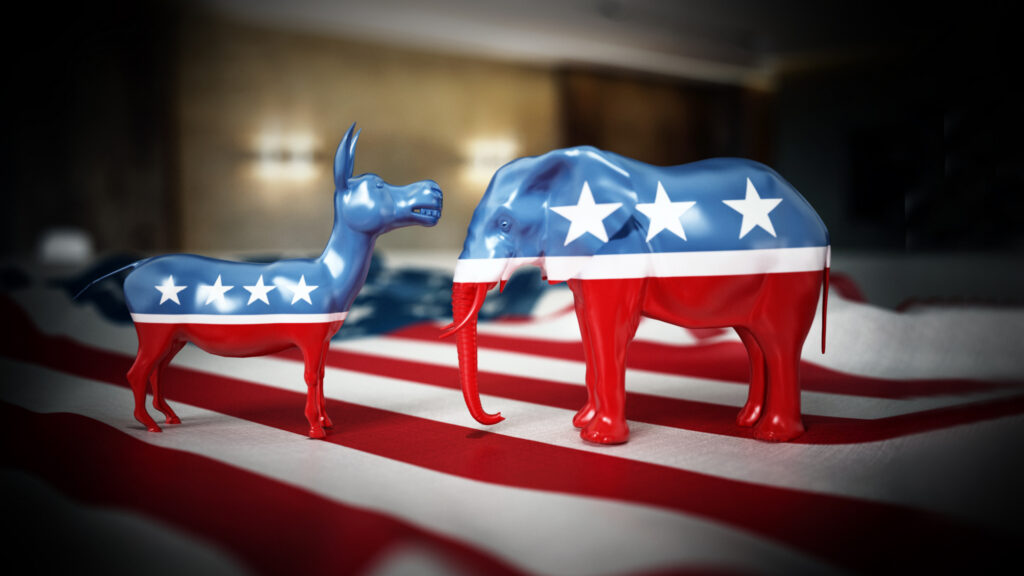
As talk of a potential “Blue Wave” begins to build ahead of this fall’s elections, new analysis from David Winston of The Winston Group is urging a closer look beneath the headlines.
A Familiar Narrative
The idea of a sweeping electoral wave isn’t new.
In 2020, expectations of a major Democratic surge were fueled by polling that showed large, often double-digit leads at the presidential level. But when votes were counted, the results told a more nuanced story—one that fell short of the predicted landslide.
At the House level, the gap between polling and reality was even more pronounced, with Democrats underperforming expectations and Republicans gaining ground in several key races.
When Polling Misses the Mark
The 2020 election became a case study in how polling can shape—and sometimes distort—political narratives.
Pre-election averages suggested comfortable margins, but final results were significantly tighter. Analysts later pointed to inflated expectations, misread voter turnout, and an overly broad electoral map as contributing factors.
The lesson: momentum on paper doesn’t always translate at the ballot box.
What’s Different This Time
Heading into this cycle, Winston’s analysis suggests that if a wave does materialize, it may hinge less on party loyalty and more on independent voters.
Recent elections have shown a narrowing gap between parties, with neither side holding a dominant advantage in overall party identification. That puts greater weight on how independents break—and whether those margins widen significantly.
The Numbers That Matter
Two key indicators stand out:
Party identification trends and the margin among independents.
Democrats have seen a decline in their share of the electorate in recent cycles, while Republicans have held a modest edge. Whether that balance shifts could play a decisive role.
At the same time, past elections show that even small swings among independent voters can reshape outcomes—sometimes dramatically.
Looking Ahead
As media narratives continue to build around the idea of a wave election, Winston’s analysis offers a reminder: the story isn’t written yet.
Polling snapshots, voter turnout, and late shifts in sentiment all have the potential to change the trajectory.
And as November approaches, the focus may come down to something simpler than sweeping narratives—
Who shows up, and how they decide.
RECENT
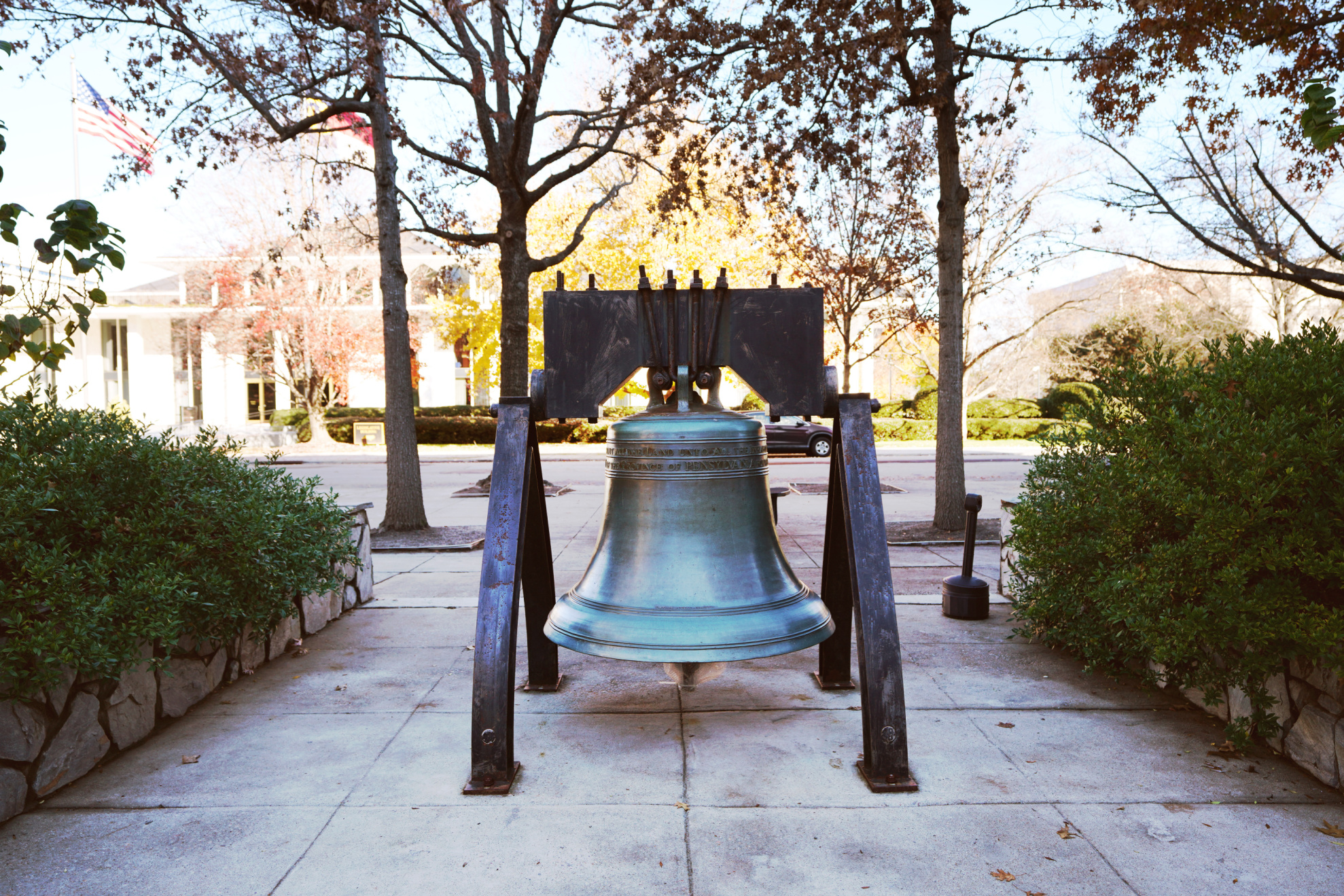
🇺🇸 Why the Liberty Bell Doesn’t Actually Ring Anymore
Did You Know?

A Rock Star’s Road to Redemption
Entertainment
New York Community Replaces Defaced Declaration Replica
America
How Four Seconds Can Help Calm the Mind
Friday Fuel

Heather Jenkins and The Power of Intentional Rest
Health & Wellness

Kentucky Bridge Project Gets $24M Boost
American Infra

Arizona Extends Farm Water Fee Relief
In The States

Macaroni, Dive Bars and Sundaes: July 7 Gets Weird
Offbeat Observances
Michigan Storm Recovery Gets Bipartisan Federal Boost
In The States

Canada Says Goodbye To Country Gentleman Tommy Hunter
Entertainment
BE THE FIRST TO KNOW
Want to stay in the loop? Be the first to know! Sign up for our newsletter and get the latest stories, updates, and insider news delivered straight to your inbox.
More Content By
Think American News Staff🇺🇸 Why the Liberty Bell Doesn’t Actually Ring Anymore
Did You Know?
A Rock Star’s Road to Redemption
Entertainment
New York Community Replaces Defaced Declaration Replica
America
Kentucky Bridge Project Gets $24M Boost
American Infra
Arizona Extends Farm Water Fee Relief
In The States
Michigan Storm Recovery Gets Bipartisan Federal Boost
In The States
Canada Says Goodbye To Country Gentleman Tommy Hunter
Entertainment
PA Lawmakers Focus on Energy
Energy

John Adams Saw America’s Future Before Anyone Else
America
The Revolutionary Ideas Behind July 4
Did You Know?
View All Content By Think American News Staff