May 10
Elections
Democrats Face Questions Over Withheld 2024 Review
Adobe Stock/inspiring.team

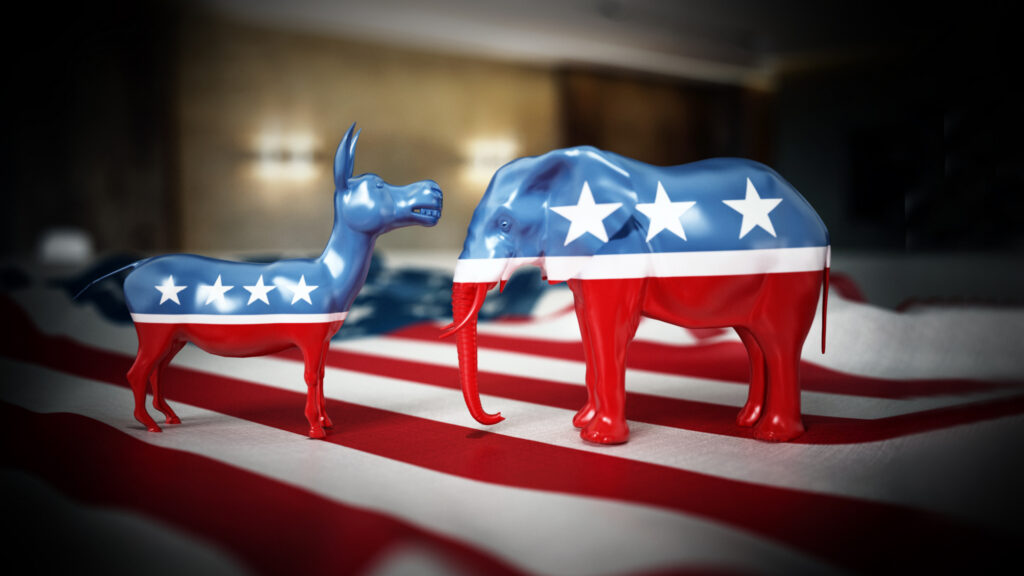
Political strategist David Winston of The Winston Group is renewing scrutiny around the Democratic Party’s 2024 election performance after the Democratic National Committee declined to publicly release its internal campaign review, often referred to as a political “autopsy.”
The controversy intensified following comments made during an appearance on the political podcast Pod Save America, where host Jon Favreau pressed Martin on why the report remains private.
Martin responded that Democrats should focus on future elections rather than revisiting the past.
“I don’t have a time machine,” he said. “The only thing we can do is actually change what happens in the future.”
When asked why the report couldn’t still be released publicly, Martin said party leaders wanted to “keep the focus on the lessons.”
A Debate Over Transparency
The decision not to publish the review has sparked frustration among some Democrats and political observers who argue post-election analyses can help parties better understand voter behavior, messaging challenges, and shifting coalitions.
In response, Republican pollster and strategist The Winston Group re-released its own post-election analysis based on survey data from 1,250 voters and national exit polling.
The report outlines several key trends the group believes shaped the outcome of the 2024 election.
A Changing Electorate
According to the Winston Group analysis, Democrats saw a significant decline in their share of the electorate compared to 2020.
The report states Democratic voter identification dropped from 37% of the presidential electorate in 2020 to 31% in 2024, while independents rose from 27% to 34%.
Republicans, meanwhile, held a reported four-point party identification advantage nationally—something the report describes as historically significant.
The analysis also notes that independents outnumbered Democrats in several battleground states.
Economy Remained Central
The report argues the economy—not abortion—was the dominant issue motivating voters in 2024.
According to the analysis, concerns about inflation and financial hardship overshadowed many other campaign themes.
The report characterizes the election as a broader rejection of the policy direction of the Biden-Harris administration, similar to how the 2016 election was framed by some as a rejection of the political establishment.
It also suggests that voter perceptions around leadership and change played an important role in shaping decisions.
Shifts Among Key Voting Blocs
The Winston Group analysis highlights changes among several voter groups compared to previous Democratic performances.
Among the findings cited:
- Democrats reportedly lost support among independents compared to 2020
- Republican gains among Hispanic voters increased significantly
- Democratic margins among women narrowed compared to prior elections
The report argues these shifts collectively reshaped the electoral landscape in both presidential and congressional races.
Looking Ahead to 2026
The larger question now facing strategists in both parties may be less about revisiting 2024—and more about understanding the increasingly influential role of independent voters in future elections.
RECENT

Creating a Cozy Home That Supports Your Well-Being
Health & Wellness

Creating a Cozy Home That Supports Your Well-Being
Health & Wellness

5 Easy Ways to Prepare for the Next Season Before It Takes Over
Health & Wellness

Your 40s Aren’t Just About Hormones — They’re About Your Heart
Uncategorized

Wellness Benefits of Pumpkin Season
Health & Wellness

Fall Into Wellness: Creating a Healthier Autumn Routine
Health & Wellness

How to Prepare for Holiday Stress Before It Takes Over
Fitness
🇺🇸 Why the Liberty Bell Doesn’t Actually Ring Anymore
Did You Know?

A Rock Star’s Road to Redemption
Entertainment
New York Community Replaces Defaced Declaration Replica
America
BE THE FIRST TO KNOW
Want to stay in the loop? Be the first to know! Sign up for our newsletter and get the latest stories, updates, and insider news delivered straight to your inbox.

More Content By
Think American News Staff🇺🇸 Why the Liberty Bell Doesn’t Actually Ring Anymore
Did You Know?
A Rock Star’s Road to Redemption
Entertainment
New York Community Replaces Defaced Declaration Replica
America

Kentucky Bridge Project Gets $24M Boost
American Infra

Arizona Extends Farm Water Fee Relief
In The States

Michigan Storm Recovery Gets Bipartisan Federal Boost
In The States

Canada Says Goodbye To Country Gentleman Tommy Hunter
Entertainment
PA Lawmakers Focus on Energy
Energy

John Adams Saw America’s Future Before Anyone Else
America
The Revolutionary Ideas Behind July 4
Did You Know?
View All Content By Think American News Staff