
May 16
Kindness
Arizona Wildlife Center Caring for Nearly 200 Baby Quail
Adobe Stock/Joshua Daniels
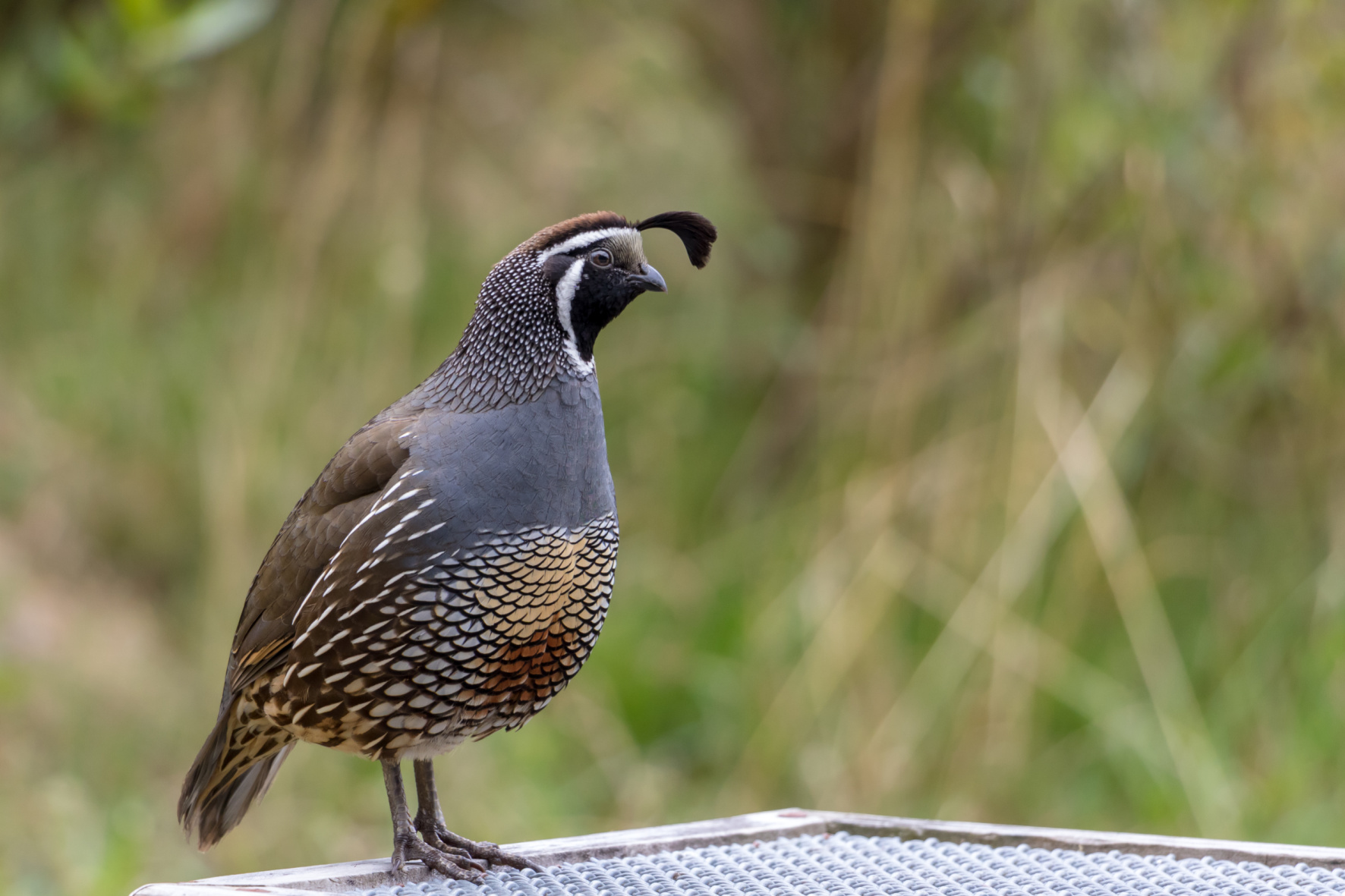
According to the Tucson Wildlife Center, staff members are currently caring for nearly 200 baby Gambel’s quail chicks, with roughly 20 new arrivals coming in every single day.
Some chicks are brought in alone. Others arrive in small groups after becoming separated from their families in the Arizona desert.
And while the tiny birds may look fragile, wildlife experts say quail are surprisingly independent from the moment they hatch.
Built for the Desert From Day One
Unlike many birds that stay tucked inside nests for weeks, Gambel’s quail chicks can walk, run, and follow their parents within hours of hatching.
In the wild, families travel together through the desert in groups known as broods.
That strong family structure is part of what makes rescue efforts challenging.
Wildlife experts say that once chicks are removed from their parents, reuniting them can become extremely difficult.
“For that reason, giving them space from the start is one of the most important ways to help,” the center explained.
Caregivers urge people who encounter lone chicks not to rush in immediately, since adult birds often return once humans back away.
A Nursery Full of Tiny Birds
Inside the center’s Baby Bird and Small Mammal Wing, staff members are working around the clock to recreate natural conditions for the chicks.
That includes:
- specialized heat support
- raising the birds in social groups
- using feather dusters to mimic the warmth and security of parent birds
Because quail are naturally social animals, keeping the chicks together helps them learn normal flock behavior before they are eventually released back into the wild.
Why Wildlife Centers Matter
Spring and early summer are among the busiest seasons for wildlife rehabilitation organizations across the country.
Baby animals often become separated from parents due to storms, predators, human activity, or accidental interference from well-meaning people trying to help.
Centers like Tucson Wildlife Center provide temporary care while also educating the public about when intervention is—and isn’t—necessary.
For now, staff members say the quail nursery remains very full, very busy, and very noisy.
RECENT
🇺🇸 Why the Liberty Bell Doesn’t Actually Ring Anymore
Did You Know?

A Rock Star’s Road to Redemption
Entertainment

New York Community Replaces Defaced Declaration Replica
America

How Four Seconds Can Help Calm the Mind
Friday Fuel

Heather Jenkins and The Power of Intentional Rest
Health & Wellness

Kentucky Bridge Project Gets $24M Boost
American Infra
Arizona Extends Farm Water Fee Relief
In The States

Macaroni, Dive Bars and Sundaes: July 7 Gets Weird
Offbeat Observances

Michigan Storm Recovery Gets Bipartisan Federal Boost
In The States

Canada Says Goodbye To Country Gentleman Tommy Hunter
Entertainment
BE THE FIRST TO KNOW
Want to stay in the loop? Be the first to know! Sign up for our newsletter and get the latest stories, updates, and insider news delivered straight to your inbox.

More Content By
Think American News Staff🇺🇸 Why the Liberty Bell Doesn’t Actually Ring Anymore
Did You Know?
A Rock Star’s Road to Redemption
Entertainment
New York Community Replaces Defaced Declaration Replica
America
Kentucky Bridge Project Gets $24M Boost
American Infra
Arizona Extends Farm Water Fee Relief
In The States
Michigan Storm Recovery Gets Bipartisan Federal Boost
In The States
Canada Says Goodbye To Country Gentleman Tommy Hunter
Entertainment

PA Lawmakers Focus on Energy
Energy

John Adams Saw America’s Future Before Anyone Else
America

The Revolutionary Ideas Behind July 4
Did You Know?
View All Content By Think American News Staff