
Nov 02
Daylight Savings
Study: Americans May Be Healthier Without Daylight Saving Time
Adobe Stock/rabbitti/stock.adobe.com
New Research Questions Time-Change Tradition
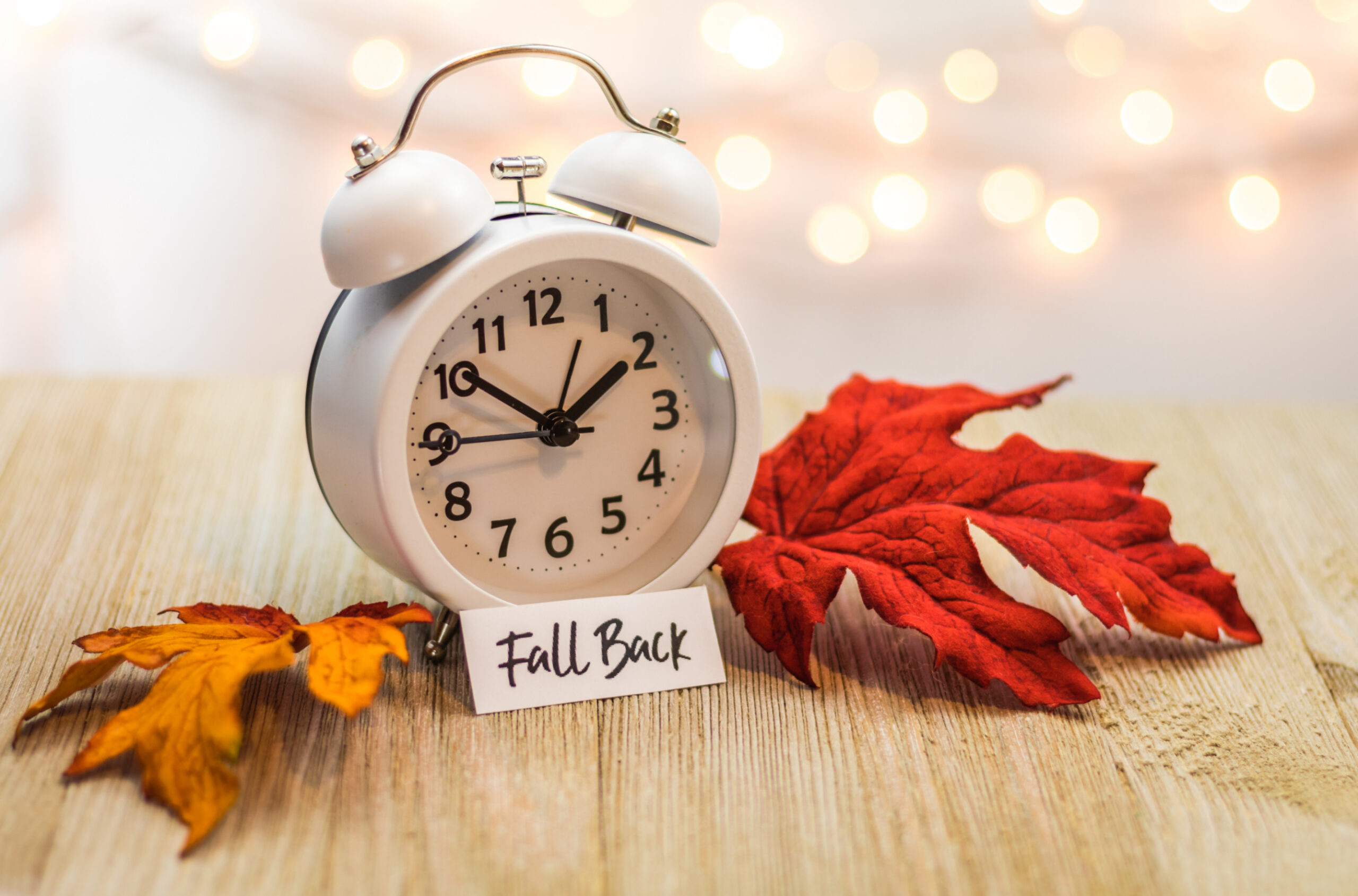
A new Stanford Medicine analysis adds fuel to a long-running debate: should the United States stop switching clocks twice a year? According to the study, biannual clock changes disrupt our circadian rhythms — the internal clocks that guide everything from sleep cycles to metabolism — and may lead to serious long-term health consequences.
Researchers compared three systems: permanent standard time, permanent daylight saving time, and the current twice-a-year clock change. Their conclusion? The current system appears to be the worst option for Americans’ health.
Standard Time Shows Greatest Health Benefits
By modeling light exposure, circadian impact, and health statistics across U.S. counties, the researchers linked permanent standard time to significant nationwide health improvements. Their estimates: avoiding seasonal time changes could prevent 300,000 strokes per year and reduce obesity in 2.6 million Americans. Permanent daylight saving time also showed benefits, but to a lesser degree.
“Our bodies operate on an internal clock slightly longer than 24 hours,” explained senior author Jamie Zeitzer, PhD. “Morning light helps reset that rhythm. Switching back and forth twice a year weakens the circadian system.”
Understanding Circadian Health
The body needs morning light to stay properly aligned to the day-night cycle. Evening light, by contrast, slows the internal clock, throwing off physiological processes tied to immunity, energy, and metabolism. While about 15% of the population — natural “morning larks” — may fare slightly better under daylight saving time, most Americans would benefit more from permanent standard time.
What Comes Next
Though sleep and medical groups have long pushed for year-round standard time, this study offers rare data to support that position. Experts say further research — including economic and social analysis — is still needed. But one thing is clear: sticking with the twice-a-year shift continues to take a measurable toll on Americans’ health.
RECENT

Creating a Cozy Home That Supports Your Well-Being
Health & Wellness

Creating a Cozy Home That Supports Your Well-Being
Health & Wellness

5 Easy Ways to Prepare for the Next Season Before It Takes Over
Health & Wellness

Your 40s Aren’t Just About Hormones — They’re About Your Heart
Uncategorized

Wellness Benefits of Pumpkin Season
Health & Wellness

Fall Into Wellness: Creating a Healthier Autumn Routine
Health & Wellness

How to Prepare for Holiday Stress Before It Takes Over
Fitness
🇺🇸 Why the Liberty Bell Doesn’t Actually Ring Anymore
Did You Know?

A Rock Star’s Road to Redemption
Entertainment

New York Community Replaces Defaced Declaration Replica
America
BE THE FIRST TO KNOW
Want to stay in the loop? Be the first to know! Sign up for our newsletter and get the latest stories, updates, and insider news delivered straight to your inbox.

More Content By
Think American News Staff🇺🇸 Why the Liberty Bell Doesn’t Actually Ring Anymore
Did You Know?
A Rock Star’s Road to Redemption
Entertainment
New York Community Replaces Defaced Declaration Replica
America

Kentucky Bridge Project Gets $24M Boost
American Infra

Arizona Extends Farm Water Fee Relief
In The States
Michigan Storm Recovery Gets Bipartisan Federal Boost
In The States

Canada Says Goodbye To Country Gentleman Tommy Hunter
Entertainment

PA Lawmakers Focus on Energy
Energy

John Adams Saw America’s Future Before Anyone Else
America

The Revolutionary Ideas Behind July 4
Did You Know?
View All Content By Think American News Staff