Oct 29
America
End of Daylight Saving Time: How to Reset Your Internal Clock
Adobe Stock/rabbitti/stock.adobe.com
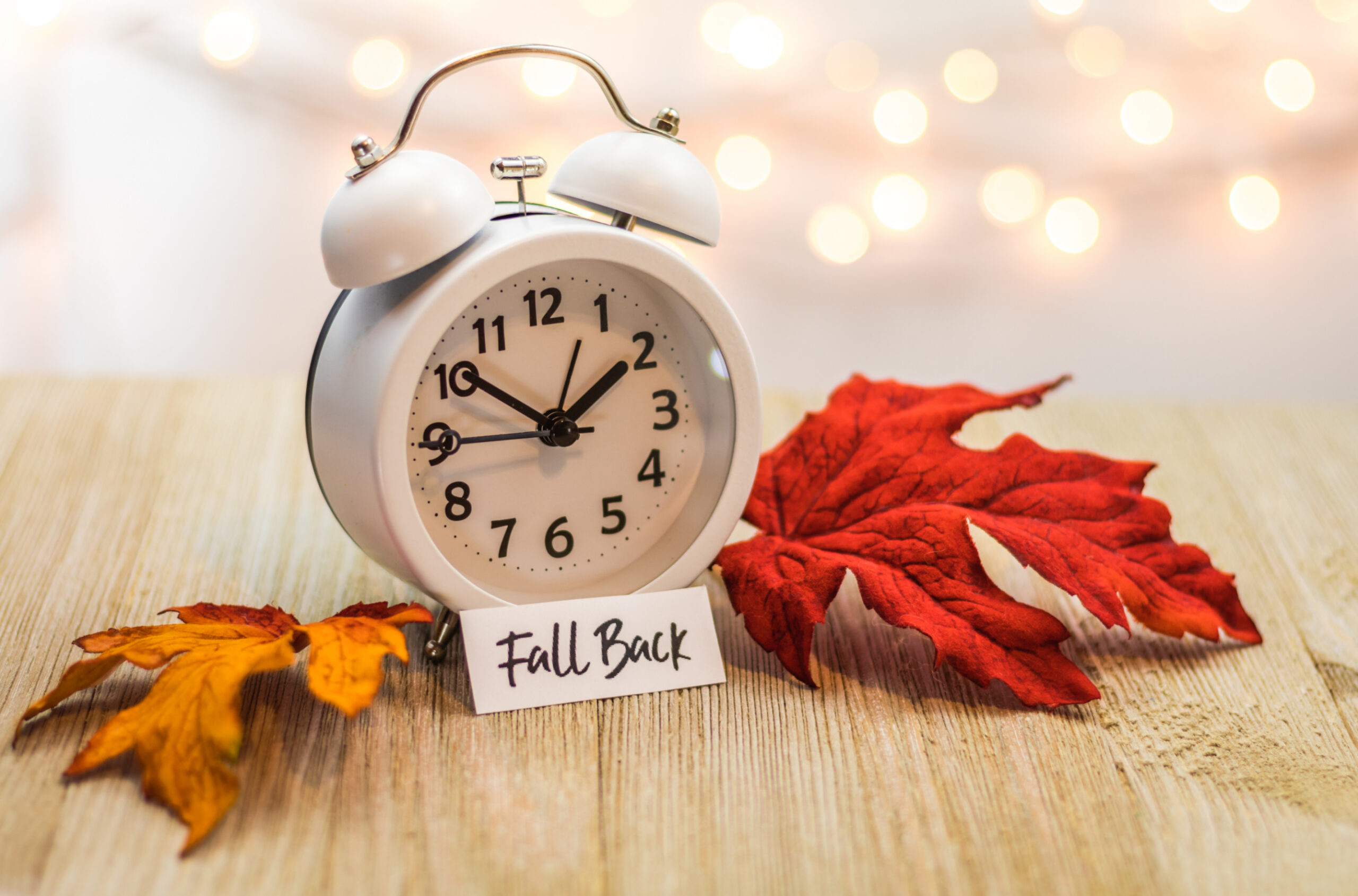
Daylight saving time officially ends on Sunday, November 2, as Americans turn their clocks back one hour and return to standard time. While the change brings an extra hour of sleep, experts warn that the adjustment can still disrupt your body’s internal rhythm.
The Hidden Toll of “Extra Sleep”
According to sleep researchers, that bonus hour of rest can actually leave people feeling groggy or off-balance for several days. The shift affects the body’s circadian rhythm—the natural cycle that regulates sleep and wake times—making it harder to stay alert during daylight hours and fall asleep at night.
Sunlight: Your Best Reset Tool
Experts suggest one of the best ways to help your body adjust is through exposure to natural light. “If you can go outside, if not, try to be in a brightly lit room or sit by a window,” said Jamie Zeitzer, a Stanford University professor who studies circadian biology. “This will help facilitate shifting your clock faster in the fall.”
Zeitzer also recommends getting early morning light. Stepping outside shortly after waking up can help the brain reset its internal timing, easing the transition and improving alertness throughout the day.
Small Changes, Big Difference
Simple strategies—like going to bed 15–20 minutes earlier in the days leading up to the time change, avoiding screens before bed, and keeping a consistent sleep routine—can make the adjustment smoother.
As daylight saving time ends, embracing natural light and steady sleep habits can help your body transition more comfortably. For more information about daylight saving time, visit the U.S. Department of Transportation website.
RECENT

Creating a Cozy Home That Supports Your Well-Being
Health & Wellness

Creating a Cozy Home That Supports Your Well-Being
Health & Wellness

5 Easy Ways to Prepare for the Next Season Before It Takes Over
Health & Wellness

Your 40s Aren’t Just About Hormones — They’re About Your Heart
Uncategorized

Wellness Benefits of Pumpkin Season
Health & Wellness

Fall Into Wellness: Creating a Healthier Autumn Routine
Health & Wellness

How to Prepare for Holiday Stress Before It Takes Over
Fitness
🇺🇸 Why the Liberty Bell Doesn’t Actually Ring Anymore
Did You Know?

A Rock Star’s Road to Redemption
Entertainment
New York Community Replaces Defaced Declaration Replica
America
BE THE FIRST TO KNOW
Want to stay in the loop? Be the first to know! Sign up for our newsletter and get the latest stories, updates, and insider news delivered straight to your inbox.

More Content By
Think American News Staff🇺🇸 Why the Liberty Bell Doesn’t Actually Ring Anymore
Did You Know?
A Rock Star’s Road to Redemption
Entertainment
New York Community Replaces Defaced Declaration Replica
America

Kentucky Bridge Project Gets $24M Boost
American Infra

Arizona Extends Farm Water Fee Relief
In The States
Michigan Storm Recovery Gets Bipartisan Federal Boost
In The States

Canada Says Goodbye To Country Gentleman Tommy Hunter
Entertainment

PA Lawmakers Focus on Energy
Energy

John Adams Saw America’s Future Before Anyone Else
America
The Revolutionary Ideas Behind July 4
Did You Know?
View All Content By Think American News Staff