Aug 08
Mans Best Friend
Rescue Dogs Take Time: Why the 3-3-3 Rule Matters More Than You Think
By Kate McCue
Adobe Stock/celiafoto/stock.adobe.com
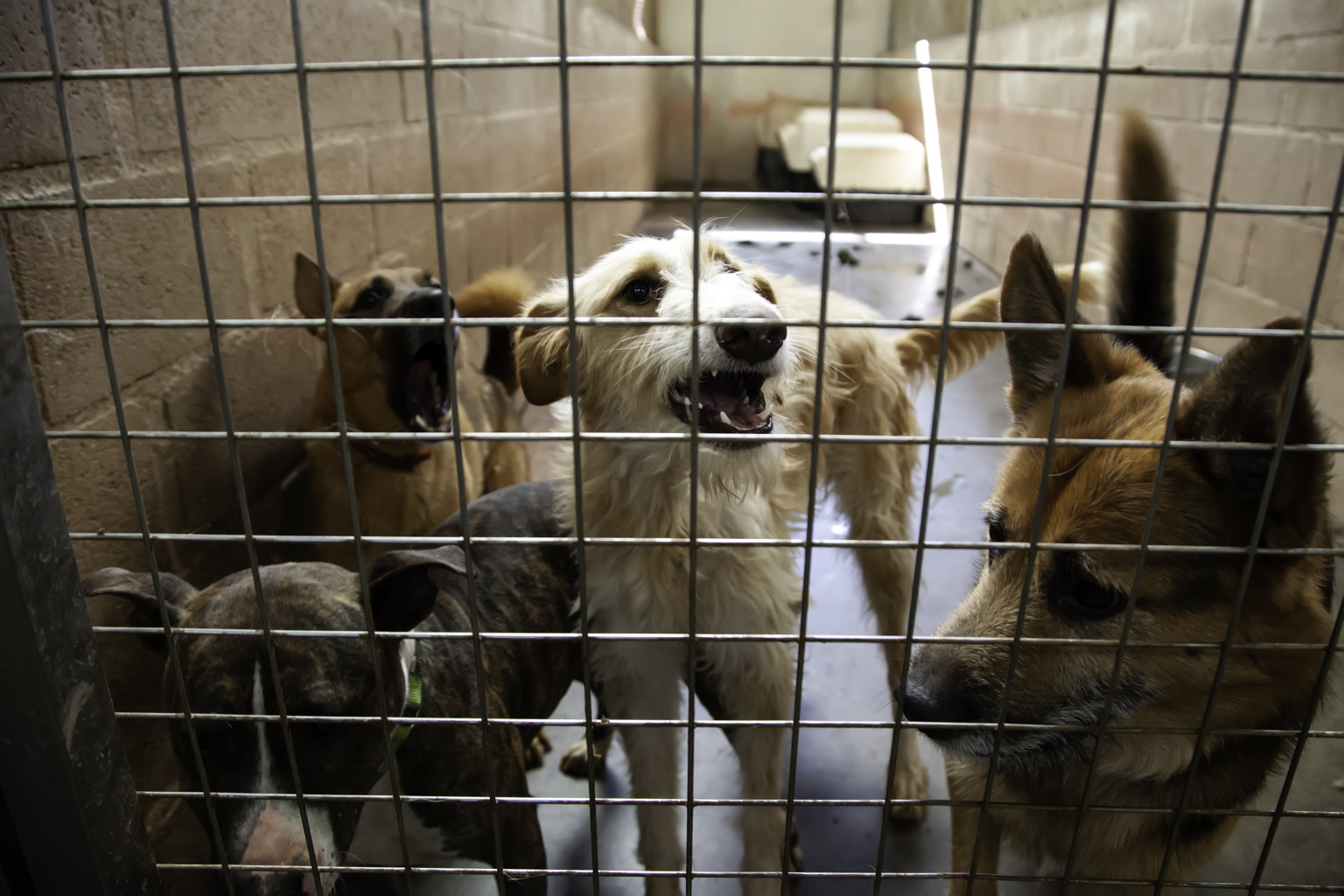
I recently received a training inquiry from a guy who had just adopted a dog. He had only adopted the dog a week ago, but the dog was exhibiting issues ranging from leash reactivity to excessive barking at his roommate. He mentioned that she doesn’t exhibit this behavior to people outside the home, so he wondered why this was an issue inside the home. Another issue he was having with the dog was that she didn’t seem to be food motivated and teaching her commands like Sit and Down were difficult. He ended his inquiry with how he is trying desensitization and counterconditioning but wants help speeding up the process to resolve the above issues ASAP. Let me remind you that he has only had the dog for A WEEK! Now, this isn’t the first time I have received an urgent training inquiry from a new adopter. The dog they saw at the shelter or the adoption event is now showing another side of themselves, and this can be unsettling. While I applaud the gentleman for reaching out for help, the immediate piece of advice I gave him, along with every new adopter I have crossed paths with in my career, is to remember the 3-3-3 rule of dog rescue.
3 Days
After you adopt a new dog and bring him home, it takes them roughly three days to decompress. During this time, they may be withdrawn, shut down, unsure, or anxious. It is very important for you to create a calm, predictable environment. Start introducing a routine, particularly feeding and walking. Note that your new dog may not be hungry these first few days, so offering food at predictable times (but not leaving it out all the time) will give your dog much needed perspective. Crate rest in between walks will help your dog achieve the reset they require as well as establish immediate and essential boundaries both in the home and with you.
3 Weeks
It takes about three weeks for your dog to acclimatize itself to the day to day routine. During this time, you are reinforcing your bathroom and feeding routine. You have established a walking schedule and have begun teaching your dog proper leash manners. Boundaries in the home are being established and reinforced. We are not asking too much from the dog when it comes to socializing. Immediate expectations are for your new dog to learn to exist calmly and politely with those residing in his home. Dog parks, outdoor eateries, and walking in high trafficked areas should be avoided or at the very least, used with caution until you have a better sense of your dog’s personal threshold of tolerance to stress. Basic obedience commands can begin to be taught during this time as this is a great way to discover what motivates your dog to want to work with you!
3 Months
After three months, your dog has finally realized…they’re home! The routine should be seamless at this point. You may be giving your dog more privileges such as couch cuddles and a little less crate time. By implementing a great routine from the beginning, your dog now feels fully comfortable and is ready to show you all that they have to offer. This is a great time to begin teaching them new skills, such as tricks, agility, tug, or fetch. The overall routine that you initially established should remain very much intact. At this time, you can also begin to expand your dog’s social circle.
The 3-3-3 rule exists to help new dog owners understand that rescuing a dog is just the first step. They need help learning how to live in your environment, and understanding how you fit in to all this. This is a process, and it TAKES TIME. For some dogs, this process can be quick and they can assimilate very easily. For others, this may take longer. My personal dog Daisy took about a month to become comfortable with all the members of my family and about a year for her to be fully comfortable in my home. My other dog Gaston took maybe two months and it was like he had been with us from the very beginning. Every dog is different. One thing’s for sure, this process cannot be rushed to suit YOUR needs. Your new rescue dog has no idea who you are or that you’ve done a nice thing for them. By respecting their needs and how they adapt, you will be establishing a bond that will last a lifetime. Patience is a virtue, and if anything will help you master patience, it will be a dog.
RECENT

Creating a Cozy Home That Supports Your Well-Being
Health & Wellness

5 Easy Ways to Prepare for the Next Season Before It Takes Over
Health & Wellness

Your 40s Aren’t Just About Hormones — They’re About Your Heart
Uncategorized

Wellness Benefits of Pumpkin Season
Health & Wellness

Fall Into Wellness: Creating a Healthier Autumn Routine
Health & Wellness

How to Prepare for Holiday Stress Before It Takes Over
Fitness
🇺🇸 Why the Liberty Bell Doesn’t Actually Ring Anymore
Did You Know?

A Rock Star’s Road to Redemption
Entertainment

New York Community Replaces Defaced Declaration Replica
America

How Four Seconds Can Help Calm the Mind
Friday Fuel
BE THE FIRST TO KNOW
Want to stay in the loop? Be the first to know! Sign up for our newsletter and get the latest stories, updates, and insider news delivered straight to your inbox.

More Content By
Kate McCue
Passing the Torch to New Dog Owners
Mans Best Friend

The Dog-Walking Mistake Owners Often Miss
Animals

Being a Dog Person Doesn’t Mean You Understand Dogs
Mans Best Friend

Recall Problems Start at Home—Not in the Yard
Animals

Before You Buy a Dog, Read This First
Mans Best Friend

A Dog’s Last Lesson
Animals

Why Boundaries ARE Love
Mans Best Friend
When Love Means Letting Go
Animals
Healing Trauma in Rescue Dogs Starts with Rebuilding Trust
Animals

Why Your Dog’s Diet Matters More Than You Think
Uncategorized
View All Content By Kate McCue