May 05
Living Civics
Want to Change the World? Start by Treating Everyone with Respect!
Adobe Stock/MarekPhotoDesign.com/stock.adobe.com
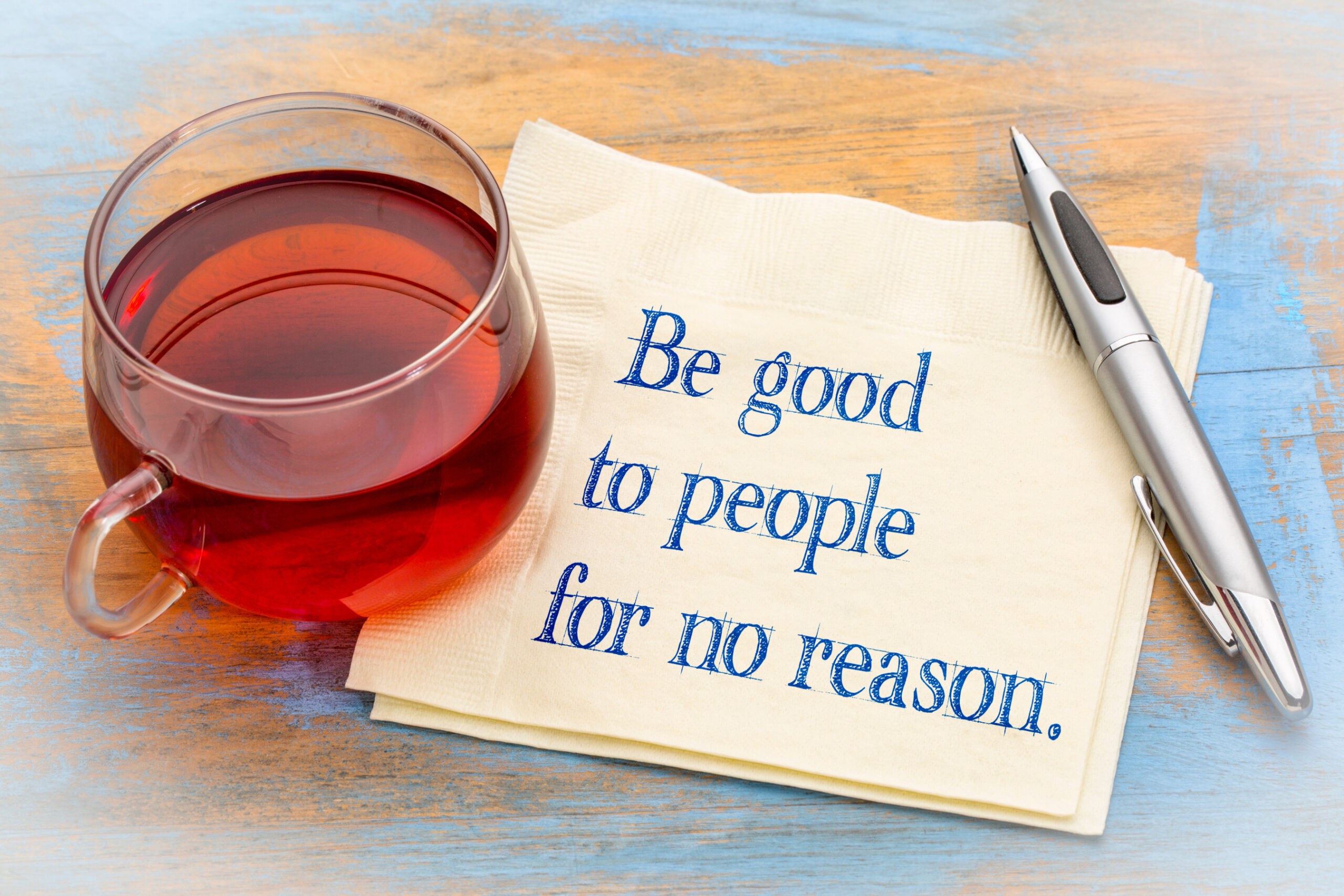
In our fast-paced world, where political divisions and the noise of social media often drown out meaningful conversation, the principles of kindness, respect, and civility stand as pillars that uphold the fabric of our society. These values, once the foundation of American civics, seem to be increasingly overlooked. However, they are more important than ever. The small acts of decency—whether it’s a smile exchanged with a stranger, taking the time to listen, or offering help to those in need—have the ability to build bridges and remind us of our shared humanity.
This week’s Living Civics focuses on one of the simplest yet most powerful acts of kindness: treating everyone with respect. It’s easy to get caught up in the hustle and bustle of life, but consistently treating others with dignity, regardless of their social or professional status, is essential to fostering a more civil society. It’s not just about politeness; it’s about embracing a mindset that recognizes the inherent worth of every individual, no matter their background or position.
At its core, respect is about acknowledging the humanity of others. Whether you’re interacting with a colleague, a friend, or a complete stranger, the way you treat people has the power to either uplift or diminish their sense of self-worth. Research consistently shows that the most successful relationships—both personal and professional—are built on mutual respect. When we treat people with kindness and courtesy, it creates a foundation of trust and understanding.
Respect is a fundamental element of strong communities. It fosters an environment where people feel valued and appreciated, regardless of their social standing. In many ways, our treatment of others reflects our own values and how we see the world. When we show respect, we are not only contributing to a positive interaction, but we are also promoting a culture of dignity and self-worth. Treating someone with respect isn’t just about acknowledging their role or position—it’s about recognizing their intrinsic value as a person.
One of the most profound impacts of showing respect is the ripple effect it creates. When we treat others with respect, we set an example for those around us. This simple act can inspire others to do the same, ultimately creating a cycle of kindness that reverberates through communities and society at large.
Consider the small act of holding the door open for someone. To you, it may seem like a trivial gesture, but to the person receiving that act, it could be a reminder that they are seen and valued. In a world where many feel overlooked or unheard, these moments of consideration can make all the difference. Respect is not just a one-time act; it’s a mindset that carries forward. By consistently showing respect, we create an atmosphere where people feel safe, valued, and empowered to contribute their best selves. This is how strong communities are built—on the foundation of mutual respect and kindness.
Respect also goes beyond what we say or do—it’s about how well we listen. In our busy lives, it’s easy to interrupt or brush off others when they speak, but listening is an essential aspect of showing respect. When we listen attentively to someone, we are not just hearing their words—we are recognizing their thoughts, feelings, and experiences. This validation can have a profound impact on an individual’s sense of self-worth and the quality of the relationship between you.
Being a good listener requires patience and empathy. It means giving someone your full attention and resisting the urge to rush to conclusions or offer solutions before fully understanding their perspective. True listening is about being present in the moment and respecting the speaker’s point of view. In today’s world, where distractions abound, the simple act of listening with intent can make a significant difference in building deeper, more meaningful connections.
In the workplace, respect plays a crucial role in building a positive environment. Professional settings are often marked by hierarchies, and it’s easy to assume that respect is only required for those in higher positions. However, the true test of a person’s character is how they treat those in lower or service roles. A leader who treats their subordinates with dignity and respect fosters an environment of trust, collaboration, and morale. Similarly, a coworker who treats their colleagues with respect—regardless of their title—helps to create a more supportive and cohesive work culture.
Respect in the workplace isn’t just about good manners; it’s about valuing each person’s contribution, regardless of how big or small it may seem. When every individual feels respected, they are more likely to feel motivated, loyal, and committed to the goals of the organization. Conversely, when people are disrespected or overlooked, it can lead to disengagement, dissatisfaction, and a toxic work environment.
Respect extends beyond our immediate circles to the larger society as well. In public life, particularly in today’s polarized climate, the importance of showing respect cannot be overstated. Whether we agree or disagree with someone’s views, respecting their right to have those opinions is a key pillar of a democratic society. It’s easy to become entrenched in ideological battles and forget that mutual respect for one another’s perspectives is essential to finding common ground.
In political discourse, for example, respect is vital in fostering productive debates and discussions. When we listen to others’ views without immediately dismissing them, we create the opportunity for dialogue and understanding. We may not always agree, but we can respect one another’s right to speak and engage in civil discourse. This is how progress is made—through respectful exchange of ideas, even in the face of disagreement.
In our personal lives, respect is equally vital. The relationships we have with family, friends, and loved ones thrive when built on mutual respect. It’s easy to take those closest to us for granted, but the foundation of a strong relationship is built on showing respect for each other’s needs, desires, and boundaries.
Respect in personal relationships also means being honest and transparent with one another, even when it’s difficult. It means honoring each other’s individuality and supporting each other’s personal growth. It’s about showing kindness during moments of conflict, rather than resorting to anger or resentment. The way we treat our loved ones directly impacts the strength and longevity of those relationships.
While individual actions of respect are important, they are only part of the equation. To truly build a society based on kindness, respect must be institutionalized in our systems and structures. From schools to government, from healthcare to the workplace, systems must be designed to foster respect for all individuals, regardless of their background or status.
This means creating policies that promote equality and fairness, providing equal opportunities for all, and ensuring that every voice is heard and valued. Respect must be woven into the very fabric of our institutions so that it becomes a natural part of how we interact with one another on a broader scale. Only then can we truly build a society that embodies the values of civility, kindness, and respect.
Respect is not just a simple courtesy—it is the foundation of a thriving, civil society. From our personal relationships to the workplace, from public discourse to community life, respect is essential in fostering positive connections and strengthening the bonds that hold us together. As we rediscover the power of kindness and respect, we take the first steps toward building a more compassionate, inclusive, and united society. The actions we take today, no matter how small, have the potential to inspire others and create a ripple effect that can transform our communities and our nation. Let’s make respect and kindness the cornerstone of our lives, and by doing so, we’ll contribute to a better future for all.
RECENT

Creating a Cozy Home That Supports Your Well-Being
Health & Wellness
Creating a Cozy Home That Supports Your Well-Being
Health & Wellness

5 Easy Ways to Prepare for the Next Season Before It Takes Over
Health & Wellness

Your 40s Aren’t Just About Hormones — They’re About Your Heart
Uncategorized

Wellness Benefits of Pumpkin Season
Health & Wellness
Fall Into Wellness: Creating a Healthier Autumn Routine
Health & Wellness

How to Prepare for Holiday Stress Before It Takes Over
Fitness
🇺🇸 Why the Liberty Bell Doesn’t Actually Ring Anymore
Did You Know?

A Rock Star’s Road to Redemption
Entertainment
New York Community Replaces Defaced Declaration Replica
America
BE THE FIRST TO KNOW
Want to stay in the loop? Be the first to know! Sign up for our newsletter and get the latest stories, updates, and insider news delivered straight to your inbox.

More Content By
Jessica Curtis
When Life Steals Your Song
Kindness

Fast Lane, Short Fuse
Living Civics
Honey, I Shrunk the Frogs
Animals

A Small-Town Rescue With Four Paws and a Lesson
Mans Best Friend
When Little Ears Learn Big Words
Living Civics

The Endless Loyalty and Love of a Dog
Mans Best Friend

When the Calendar Changes, Character Counts
Opinion

Appreciating the Little Moments That Make Life Beautiful
Living Civics
Remember This: The Day America’s Original 13 Became One
Opinion

Memorial Day Is Not Just a Long Weekend
America
View All Content By Jessica Curtis