Jun 23
Living Civics
The Power of a Reply: Why Acknowledging Kindness Matters Now More Than Ever
Adobe Stock/MarekPhotoDesign.com/stock.adobe.com
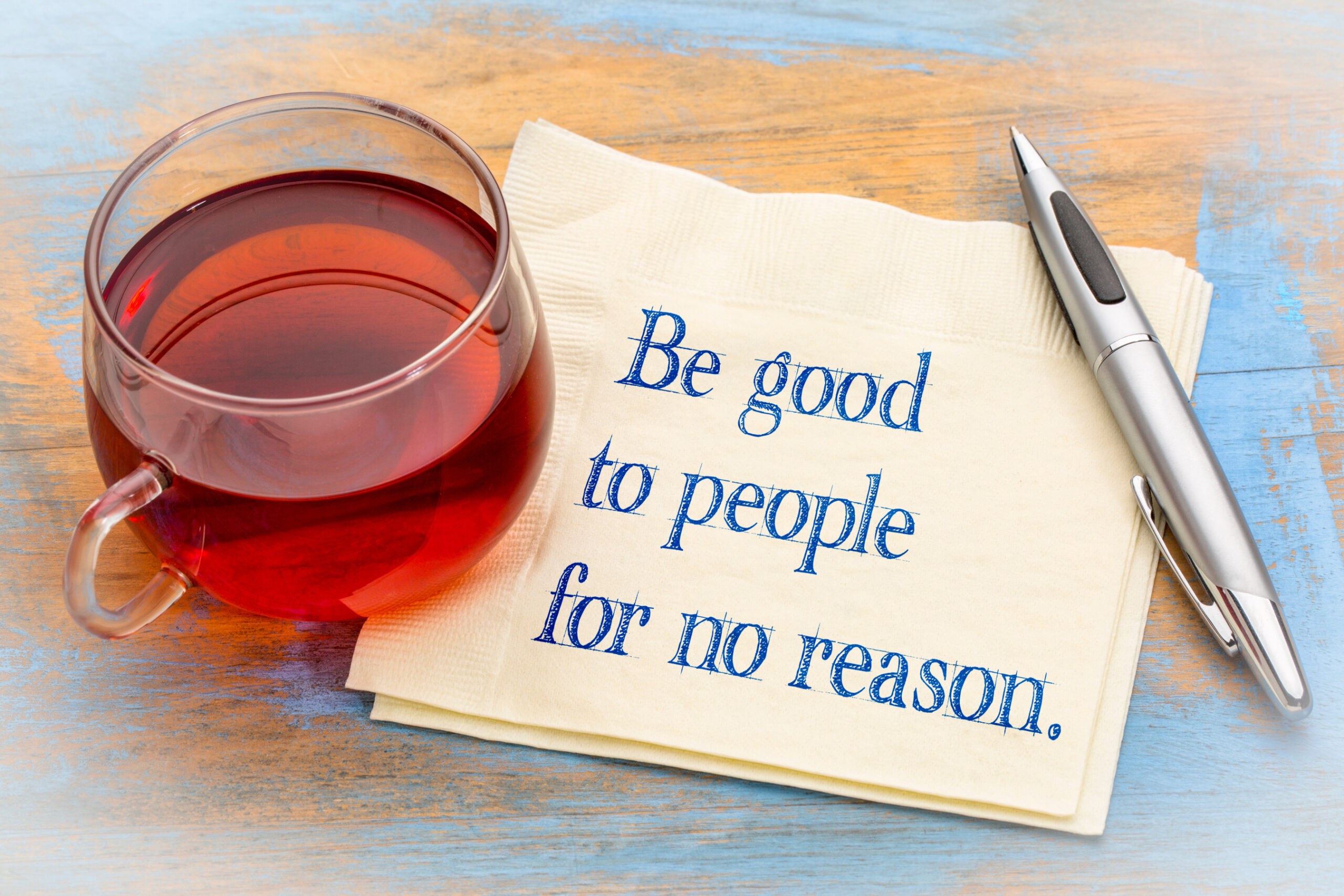
Sometimes the most powerful thing you can do in a day takes five seconds. A reply to a kind message. A “thank you” for someone’s thoughtfulness. A response that says: I saw you, and what you did mattered.
We live in a world of constant pings, unread notifications, and overflowing inboxes. It’s easy—tempting, even—to read a kind message and move on without replying. But something sacred is lost in that silence. The message someone sent you wasn’t just about the words. It was about effort. Vulnerability. Care.
Acknowledging kindness—especially when it comes in the form of a message, a check-in, or a compliment—reinforces a culture we desperately need right now. One where people feel seen, valued, and respected. One where the best parts of humanity are not ignored, but reflected and returned.
Because the truth is, kindness is a gift—and one that’s becoming too rare.
Last weekend, we were reminded just how fragile decency can feel when it’s up against anger and extremism. In Minnesota, we saw a tragedy unfold that didn’t just shake a community—it shook a country already worn thin. A man pretending to be a police officer showed up at the homes of elected officials and opened fire, killing two people and injuring others. It wasn’t random. It wasn’t abstract. It was targeted political violence.
Let that sink in.
This isn’t just about politics. It’s about humanity. It’s about the sobering fact that we’re living in a moment where public service, disagreement, or simply existing in the wrong ideological space can carry a risk. And that’s terrifying—not just for those in office, but for every one of us trying to build a better future through conversation, not conflict.
That’s why this week’s lesson matters more than ever.
Acknowledging kindness isn’t just about manners. It’s about counteracting a culture that’s increasingly fueled by outrage and division. When we respond to kindness with silence, we’re not just missing an opportunity—we’re inadvertently reinforcing the message that negativity is louder, more important, or more worthy of attention.
We can’t let that happen. We can’t let good people go unheard. We can’t let kind words fade into the digital ether.
Whether it’s a friend reaching out to say they’re proud of you, a neighbor thanking you for helping carry in groceries, or a stranger sending encouragement after a tough week—respond. Even a quick “That meant a lot, thank you” does more than you know.
Kindness, after all, is contagious. But so is apathy.
We often talk about restoring civility in politics, but the work doesn’t begin in Washington. It begins in our living rooms, our inboxes, our day-to-day interactions. It begins when we choose to reply instead of ghost. To thank instead of ignore. To engage instead of retreat.
And it begins when we decide that kindness is worth our time.
Think about the last time someone went out of their way to say something genuinely nice to you. Maybe it was a compliment. Maybe it was an unexpected message of encouragement. Maybe it was someone noticing your effort when you weren’t sure anyone had.
Now imagine if they never heard back from you.
How many moments like that go unacknowledged every day?
In a divided country, kindness is one of the few things that still has the power to bridge gaps. It’s not red or blue. It’s not right or left. It’s human. And when we respond to kindness, we’re not just acknowledging the person—we’re amplifying a value.
That’s how we build something better. One message at a time. One conversation at a time.
It doesn’t take a national movement to shift culture. It takes personal responsibility. And that starts with the smallest of actions. Returning a text. Answering a kind email. Letting someone know their words made a difference.
It’s not about being perfect. It’s about being intentional.
So this week, let’s commit to this: Answer the kind message. Return the compliment. Say thank you. Not because you have to, but because we need more of that in the world. And maybe—just maybe—you’ll start to see how those small acknowledgments build stronger communities, closer relationships, and a better sense of shared humanity.
This is how we honor those we’ve lost—not just by mourning, but by living out the values they would have wanted to see flourish. Kindness. Decency. Acknowledgment. We don’t combat hate by yelling louder. We combat it by choosing connection over indifference, again and again.
We’re not powerless in the face of rising incivility. We’re just under-practiced.
Let’s change that. Together.
RECENT
🇺🇸 Why the Liberty Bell Doesn’t Actually Ring Anymore
Did You Know?

A Rock Star’s Road to Redemption
Entertainment
New York Community Replaces Defaced Declaration Replica
America
How Four Seconds Can Help Calm the Mind
Friday Fuel

Heather Jenkins and The Power of Intentional Rest
Health & Wellness

Kentucky Bridge Project Gets $24M Boost
American Infra

Arizona Extends Farm Water Fee Relief
In The States

Macaroni, Dive Bars and Sundaes: July 7 Gets Weird
Offbeat Observances
Michigan Storm Recovery Gets Bipartisan Federal Boost
In The States

Canada Says Goodbye To Country Gentleman Tommy Hunter
Entertainment
BE THE FIRST TO KNOW
Want to stay in the loop? Be the first to know! Sign up for our newsletter and get the latest stories, updates, and insider news delivered straight to your inbox.

More Content By
Jessica Curtis
Fast Lane, Short Fuse
Living Civics
Honey, I Shrunk the Frogs
Animals

A Small-Town Rescue With Four Paws and a Lesson
Mans Best Friend

When Little Ears Learn Big Words
Living Civics

The Endless Loyalty and Love of a Dog
Mans Best Friend

When the Calendar Changes, Character Counts
Opinion

Appreciating the Little Moments That Make Life Beautiful
Living Civics
Remember This: The Day America’s Original 13 Became One
Opinion

Memorial Day Is Not Just a Long Weekend
America
Trinh Ha on Freedom and Opportunity
In The States
View All Content By Jessica Curtis