Adobe Stock/Natnan/stock.adobe.com
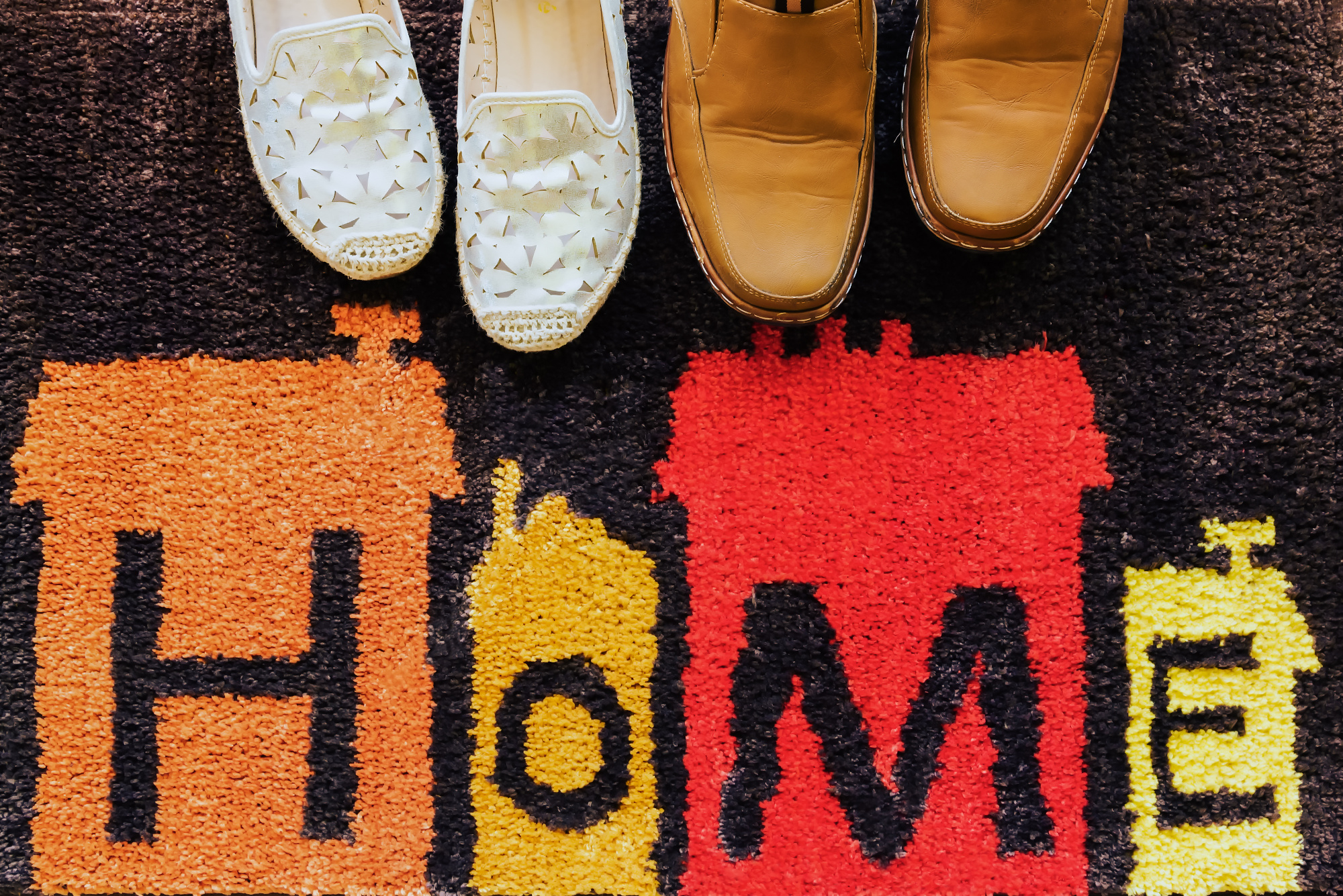
There was a time—not so long ago—when family wasn’t something we tried to squeeze in between errands, work, and the chaos of daily life. It was life. Every Saturday night growing up, my family gathered around my grandma’s table for pizza. It was a tradition, a ritual, an unspoken rule. No RSVPs necessary—just show up. And you did.
My grandma and my aunt lived right next door to each other, which made those weekends feel like one long, wonderful family reunion. After Saturday’s pizza came Sunday’s visit to my aunt’s house. Sometimes we went out to eat. Other times, we had a backyard picnic. It didn’t matter what we were doing—what mattered was that we were together.
After church on Sundays, my aunt and uncle would stop by—unannounced, of course—and bring cannolis. I was in charge of the Sanka. That little kitchen moment, with the smell of instant coffee in the air and powdered sugar dusting the countertop, felt like everything right in the world.
Even during the workweek, our lives were full of connection. Every day after work, my mom’s boss—who I called my “uncle,” though he wasn’t related by blood—would stop by our house for a quick drink and to drop off a fresh copy of the town’s daily newspaper, where he and my mom both worked. He’d stay for a little while to chat with my parents and me, share some laughs or news of the day, and then head home to his own wife and family. It was just part of the rhythm. Nobody thought twice about it. People showed up—not just for big moments, but for the little ones too.
Comedian Sebastian Maniscalco once did a hilarious bit about how, back in the day, people just dropped by. “Company,” he called it. There was excitement when the doorbell rang. You’d bring out the Entenmann’s and put on a pot of coffee. Today? If someone shows up unannounced, people dive behind the furniture like it’s a break-in.
In a piece we recently ran about Mayberry—that wholesome, fictional town from The Andy Griffith Show—we explored the idea that it wasn’t just about a small-town aesthetic. It was about a mindset. Values like kindness, respect, and community. People waving from their porches. Neighbors chatting over fences. Children knowing they were part of something larger than themselves.
That sense of closeness is disappearing. Not just physically, but emotionally. You used to walk down a street and people would nod, smile, say, “Hey, how ya doin’?” I tried it just yesterday—smiled at a neighbor while out walking—and was met with a scowl. It’s disheartening. Somewhere along the way, we stopped looking at each other. We became heads-down, earbuds-in, move-along people. And we wonder why loneliness is at an all-time high.
This isn’t just about longing for “the good old days.” It’s about asking what we’ve sacrificed in the name of modern convenience. We’ve replaced connection with efficiency. Family with follow-up texts. Community with Wi-Fi. And yet we’re somehow more burnt out, more anxious, more disconnected than ever.
Family used to be our anchor. Our rhythm. It didn’t matter what kind of week you had—on Saturday, there was pizza. On Sunday, there were cannolis. After work, someone brought a newspaper and stayed for a drink. There was presence. Predictability. Love in its most uncomplicated form.
We don’t have to move back to Mayberry. But maybe we can bring a little of it into today. We can reintroduce the idea that people matter. That unannounced visits aren’t a threat. That family traditions—no matter how small—are worth reviving.
Start a new pizza night. Invite a neighbor over for coffee. Say hello when you pass someone on the street, even if they don’t say it back. Eventually, one will. And then maybe another.
Because the fix for a fractured world might just be as simple as Sanka, cannolis, and someone who remembers your name.
RECENT

Fall Into Wellness: Creating a Healthier Autumn Routine
Health & Wellness

How to Prepare for Holiday Stress Before It Takes Over
Fitness
🇺🇸 Why the Liberty Bell Doesn’t Actually Ring Anymore
Did You Know?

A Rock Star’s Road to Redemption
Entertainment
New York Community Replaces Defaced Declaration Replica
America
How Four Seconds Can Help Calm the Mind
Friday Fuel

Heather Jenkins and The Power of Intentional Rest
Health & Wellness
Kentucky Bridge Project Gets $24M Boost
American Infra
Arizona Extends Farm Water Fee Relief
In The States
Macaroni, Dive Bars and Sundaes: July 7 Gets Weird
Offbeat Observances
BE THE FIRST TO KNOW
Want to stay in the loop? Be the first to know! Sign up for our newsletter and get the latest stories, updates, and insider news delivered straight to your inbox.

More Content By
Jessica Curtis
When Life Steals Your Song
Kindness

Fast Lane, Short Fuse
Living Civics
Honey, I Shrunk the Frogs
Animals

A Small-Town Rescue With Four Paws and a Lesson
Mans Best Friend
When Little Ears Learn Big Words
Living Civics

The Endless Loyalty and Love of a Dog
Mans Best Friend

When the Calendar Changes, Character Counts
Opinion

Appreciating the Little Moments That Make Life Beautiful
Living Civics
Remember This: The Day America’s Original 13 Became One
Opinion
Memorial Day Is Not Just a Long Weekend
America
View All Content By Jessica Curtis