Adobe Stock/Sebastian Kaulitzki
A New Approach to a Tough Diagnosis
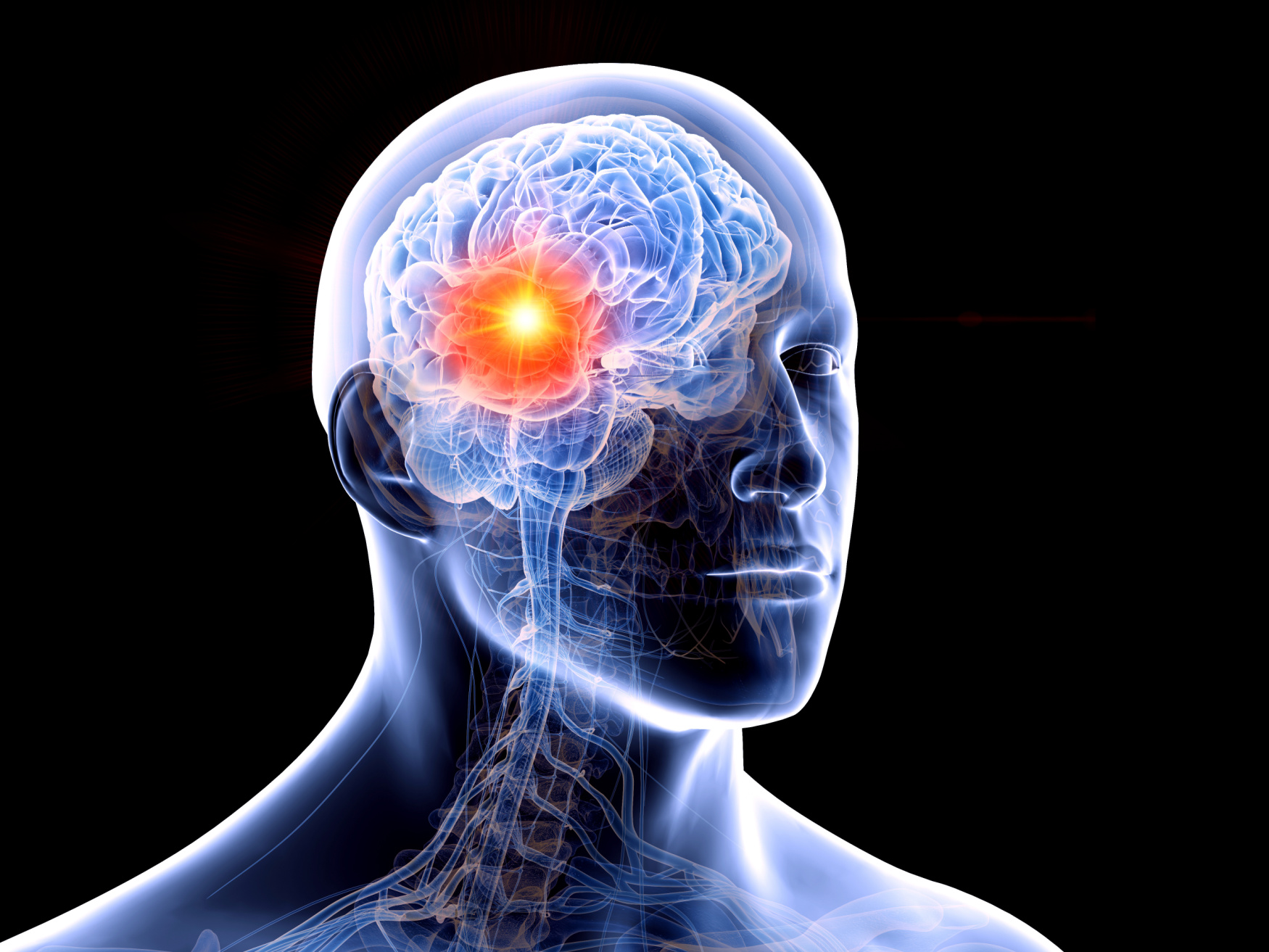
Researchers are exploring a promising new angle in the fight against glioblastoma—one of the most aggressive and fast-growing forms of cancer affecting the brain and spinal cord. Early findings suggest that high doses of vitamin B3, also known as niacin, may help improve short-term disease control when used alongside standard treatments like surgery, radiation, and chemotherapy.
Encouraging Early Results
In a small clinical study conducted by researchers at the University of Calgary, 24 patients received niacin in addition to traditional therapies. After six months, 82% of participants showed no disease progression—compared to a typical rate of about 54%. While the sample size was limited, the results point to a notable improvement that researchers say warrants further investigation.
Boosting the Body’s Defense System
The potential benefit of niacin appears to lie in its effect on the immune system. Glioblastoma is known to suppress immune responses, making it harder for the body to fight tumor growth. According to study author Dr. Wee Yong, niacin may help “rejuvenate” weakened immune cells, allowing them to better target and attack cancer cells. The findings were published in the Journal of Neuro-Oncology.
Promise—With Important Cautions
Despite the encouraging data, experts stress that this is still early research. The study involved a small group of patients, had a short follow-up period, and lacked a randomized control group. Larger, more rigorous trials are already planned to better understand both the safety and effectiveness of this approach.
Doctors also caution that high doses of vitamins are not without risk and should only be taken under medical supervision. While niacin may support immune function, it is not considered a cure.
Hope on the Horizon
For a disease where survival rates have changed little in decades, even incremental progress matters. This research offers a glimpse into how existing compounds—like vitamins—might play a role in future cancer therapies. For patients and families facing glioblastoma, that possibility alone brings a measure of hope.
RECENT
Classic Country Duo Earns Top Honor
Entertainment

Speaker Matt Hall Promotes Student Literacy
Education
Chávez Day Under Review in Arizona
History

Crayons, Carbs, and Catastrophic Data Loss (Avoided)
Uncategorized

Bluegrass Duo Celebrates Milestone
Entertainment

Indiana Prosecutor Sends Clear Message on Child Neglect
Child Abuse

Oklahoma School Safety Bill Moves Forward
Education

Grace Kelly: Irish Roots Behind an American Icon
Legends of the American Spirit

Strength Beyond Sight in Texas
In The States

You Might Be Speaking Irish Without Knowing It
Did You Know?
BE THE FIRST TO KNOW
Want to stay in the loop? Be the first to know! Sign up for our newsletter and get the latest stories, updates, and insider news delivered straight to your inbox.

More Content By
Think American News StaffClassic Country Duo Earns Top Honor
Entertainment
Speaker Matt Hall Promotes Student Literacy
Education
Chávez Day Under Review in Arizona
History
Bluegrass Duo Celebrates Milestone
Entertainment
Indiana Prosecutor Sends Clear Message on Child Neglect
Child Abuse
Oklahoma School Safety Bill Moves Forward
Education
Grace Kelly: Irish Roots Behind an American Icon
Legends of the American Spirit
Strength Beyond Sight in Texas
In The States
You Might Be Speaking Irish Without Knowing It
Did You Know?

Country Legends Hit 40-Year Mark
Entertainment
View All Content By Think American News Staff