Mar 25
Artificial Intelligence
Cancer Survivor Uses AI to Help Others Find Life-Saving Care
Adobe Stock/Cozine

Fifteen years ago, Jenny Ahlstrom was facing a future filled with uncertainty.
Today, she’s helping reshape it — not just for herself, but for cancer patients around the world.
A Life-Changing Diagnosis
At just 43 years old, the Utah mother of six was diagnosed with multiple myeloma, a rare blood cancer often described as treatable but not curable.
“The five-year median survival was about 50%,” Ahlstrom said.
Her specific case was even more serious. With high-risk disease features, her prognosis was closer to just two years.
What followed was a grueling journey — aggressive treatments, two back-to-back stem cell transplants, and months spent away from her family in search of answers.
A Breakthrough in Treatment
Hope came in the form of CAR-T cell therapy, an advanced type of immunotherapy that reprograms a patient’s own immune system to attack cancer.
Dr. Douglas Sborov of the University of Utah’s Huntsman Cancer Institute described the impact of the treatment as transformative.
“We infuse this drug and these cells go in and they just create havoc and they kill all the cancer,” he said.
For Ahlstrom, it worked.
“With that therapy, I’ve been in remission now for four and a half years,” she shared.
Today, she has no evidence of active cancer — a milestone that once seemed out of reach.
Turning Pain Into Purpose
Rather than closing that chapter, Ahlstrom chose to build something from it.
She founded the HealthTree Foundation, a nonprofit designed to help cancer patients better understand their options by bringing together fragmented medical data into one comprehensive, accessible platform.
“I wish this had existed when I was first diagnosed,” she said.
The platform connects patient records from thousands of hospitals, creating a clearer picture of treatment outcomes — not just for researchers, but for individuals navigating their own diagnosis.
How AI Is Changing the Game
Artificial intelligence plays a central role in the platform’s impact.
Tasks that once took doctors hours can now be completed in minutes, helping patients discover advanced therapies — like CAR-T — that they may not have otherwise known existed.
“They’ve been able to do some things that many academic centers only dream of,” Sborov said, referring to the platform’s ability to collect and interpret large-scale patient data.
HealthTree now supports tens of thousands of patients and reaches millions globally, expanding beyond blood cancers into other forms of the disease.
A Future With New Possibilities
For decades, the word “cure” was rarely used in cancer treatment conversations.
Now, that’s beginning to change.
“We’re able to start using that word cure,” Sborov said. “The utilization of that word is actually something that is becoming realistic.”
For Ahlstrom, what began as a devastating diagnosis has become something entirely different.
“I could never have imagined what we have built,” she said. “It’s become a blessing instead of a curse.”
RECENT

Michigan Targets Tax Relief
In The States
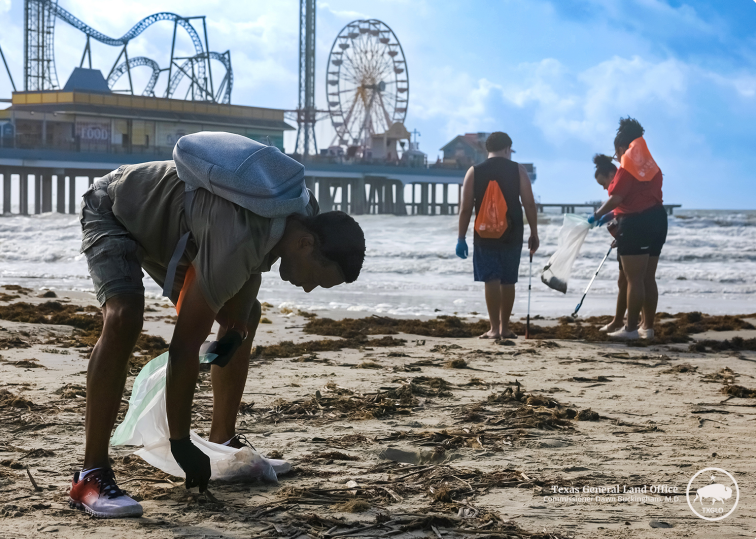
Massive Cleanup Effort Clears 24 Tons from Texas Coast
Community

April 28: A Day for Tall Tales and Prime Cuts
Offbeat Observances
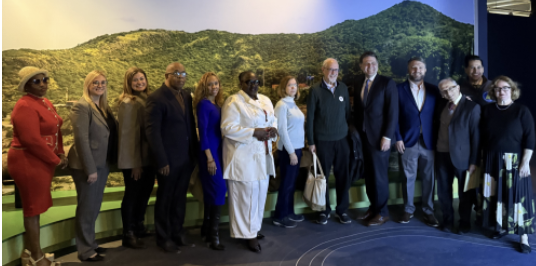
PA Leaders Unite for Holocaust Remembrance
In The States

Bray Backs Child Care Expansion
Childcare

Thomas Edison and the Power of Persistence
Legends of the American Spirit
Habits That Changed History
Did You Know?

After Devastating Storms, NY Lawmakers Push Relief Plan
In The States

The Middle Decides Again in Virginia
Elections

Jesse & Noah Honor Country Roots
Entertainment
BE THE FIRST TO KNOW
Want to stay in the loop? Be the first to know! Sign up for our newsletter and get the latest stories, updates, and insider news delivered straight to your inbox.

More Content By
Think American News StaffMichigan Targets Tax Relief
In The States
Massive Cleanup Effort Clears 24 Tons from Texas Coast
Community
PA Leaders Unite for Holocaust Remembrance
In The States
Bray Backs Child Care Expansion
Childcare
Thomas Edison and the Power of Persistence
Legends of the American Spirit
Habits That Changed History
Did You Know?
After Devastating Storms, NY Lawmakers Push Relief Plan
In The States
The Middle Decides Again in Virginia
Elections
Jesse & Noah Honor Country Roots
Entertainment

Spring Into the Weekend
Dating
View All Content By Think American News Staff