
Adobe Stock/Iren Moroz

Strength Beyond Sight: Texas Leads in Honoring Blinded Veterans Day
Each year on March 28, Americans pause to recognize Blinded Veterans Day—a moment to honor the resilience, sacrifice, and enduring strength of veterans who are blind or living with low vision. In Texas, that recognition carries a particularly strong message: honoring service means supporting veterans not just in memory, but in everyday life.
A Legacy Rooted in Service
Blinded Veterans Day traces back to 1945, when a group of World War II veterans who lost their sight came together to form the Blinded Veterans Association. Their goal was simple but powerful—to ensure no veteran would face vision loss alone.
Today, that mission continues nationwide, but Texas has embraced it with a deep commitment to both awareness and action. The day not only commemorates those early efforts but also highlights the continued progress in rehabilitation, education, and access to care for veterans with vision impairments.
Resilience After Vision Loss
For many veterans, vision loss comes after their time in uniform. Whether due to combat-related injuries, aging, or other factors, the transition can be life-changing. Yet, blinded veterans consistently demonstrate extraordinary determination—rebuilding their lives, pursuing new careers, and remaining active in their communities.
Modern support systems make that possible. Rehabilitation programs, assistive technologies, and orientation and mobility training help veterans regain independence and confidence. These tools don’t just help veterans adjust—they empower them to thrive.
Texas-Based Support Making an Impact
In Texas, a network of state agencies and organizations works to ensure that veterans navigating vision loss are not alone.
The Texas Veterans Commission plays a key role in connecting veterans and their families to benefits and critical services. The Texas Workforce Commission provides vocational rehabilitation and programs like the Older Individuals Who are Blind initiative, helping veterans build skills for employment and independent living. Meanwhile, Texas Health and Human Services supports individuals in achieving greater independence through daily living resources and long-term care support.
A Call for Awareness Across Communities
Blinded Veterans Day also serves as a reminder that accessibility and inclusion are shared responsibilities. It calls on communities—not just in Texas, but across the country—to better understand the challenges faced by veterans with vision impairments and to foster environments where everyone can fully participate.
In a statewide proclamation, Governor Greg Abbott encouraged Texans to learn more about how blindness and vision loss affect veterans in their communities and to express gratitude for their service. That message resonates far beyond state lines, reinforcing a national responsibility to support those who have sacrificed for our freedoms.
Honoring Service Through Action
The story of blinded veterans is not defined by what was lost, but by what continues to be built. It is a story of resilience, adaptation, and purpose.
As Texas leads in recognizing Blinded Veterans Day, the message is clear: honoring veterans means more than reflection—it means action. By supporting programs, strengthening accessibility, and simply taking the time to acknowledge their service, Americans can help ensure these veterans are not only remembered, but truly supported.
RECENT

Fall Into Wellness: Creating a Healthier Autumn Routine
Health & Wellness

How to Prepare for Holiday Stress Before It Takes Over
Fitness
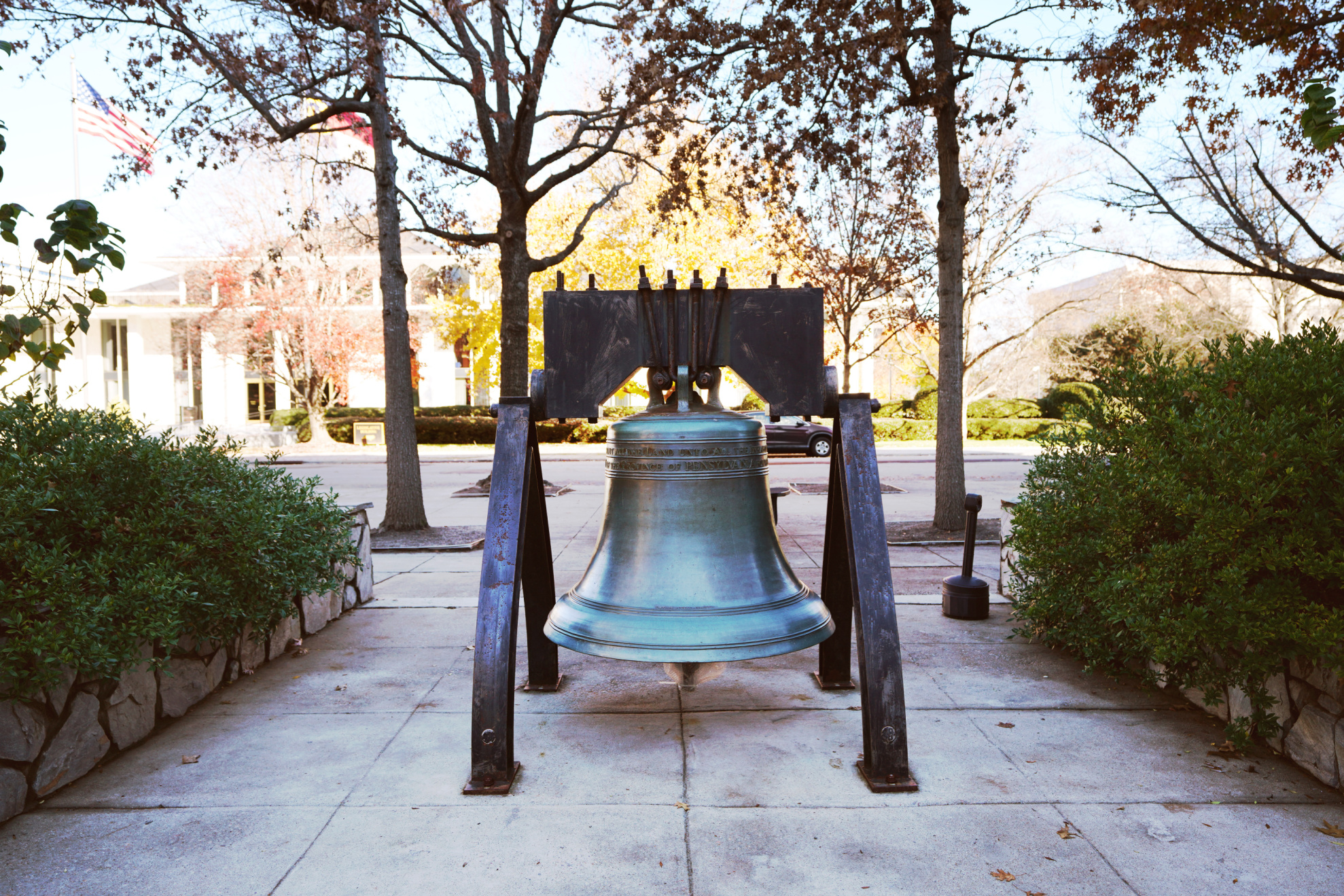
🇺🇸 Why the Liberty Bell Doesn’t Actually Ring Anymore
Did You Know?

A Rock Star’s Road to Redemption
Entertainment

New York Community Replaces Defaced Declaration Replica
America

How Four Seconds Can Help Calm the Mind
Friday Fuel

Heather Jenkins and The Power of Intentional Rest
Health & Wellness

Kentucky Bridge Project Gets $24M Boost
American Infra

Arizona Extends Farm Water Fee Relief
In The States

Macaroni, Dive Bars and Sundaes: July 7 Gets Weird
Offbeat Observances
BE THE FIRST TO KNOW
Want to stay in the loop? Be the first to know! Sign up for our newsletter and get the latest stories, updates, and insider news delivered straight to your inbox.

More Content By
Think American News Staff🇺🇸 Why the Liberty Bell Doesn’t Actually Ring Anymore
Did You Know?
A Rock Star’s Road to Redemption
Entertainment
New York Community Replaces Defaced Declaration Replica
America
Kentucky Bridge Project Gets $24M Boost
American Infra
Arizona Extends Farm Water Fee Relief
In The States

Michigan Storm Recovery Gets Bipartisan Federal Boost
In The States

Canada Says Goodbye To Country Gentleman Tommy Hunter
Entertainment
PA Lawmakers Focus on Energy
Energy

John Adams Saw America’s Future Before Anyone Else
America

The Revolutionary Ideas Behind July 4
Did You Know?
View All Content By Think American News Staff