
Adobe Stock/DeVon
We’ve become a culture that speaks quickly and reflects later—if at all.
And somewhere in the middle of all that noise, respect has started to disappear.
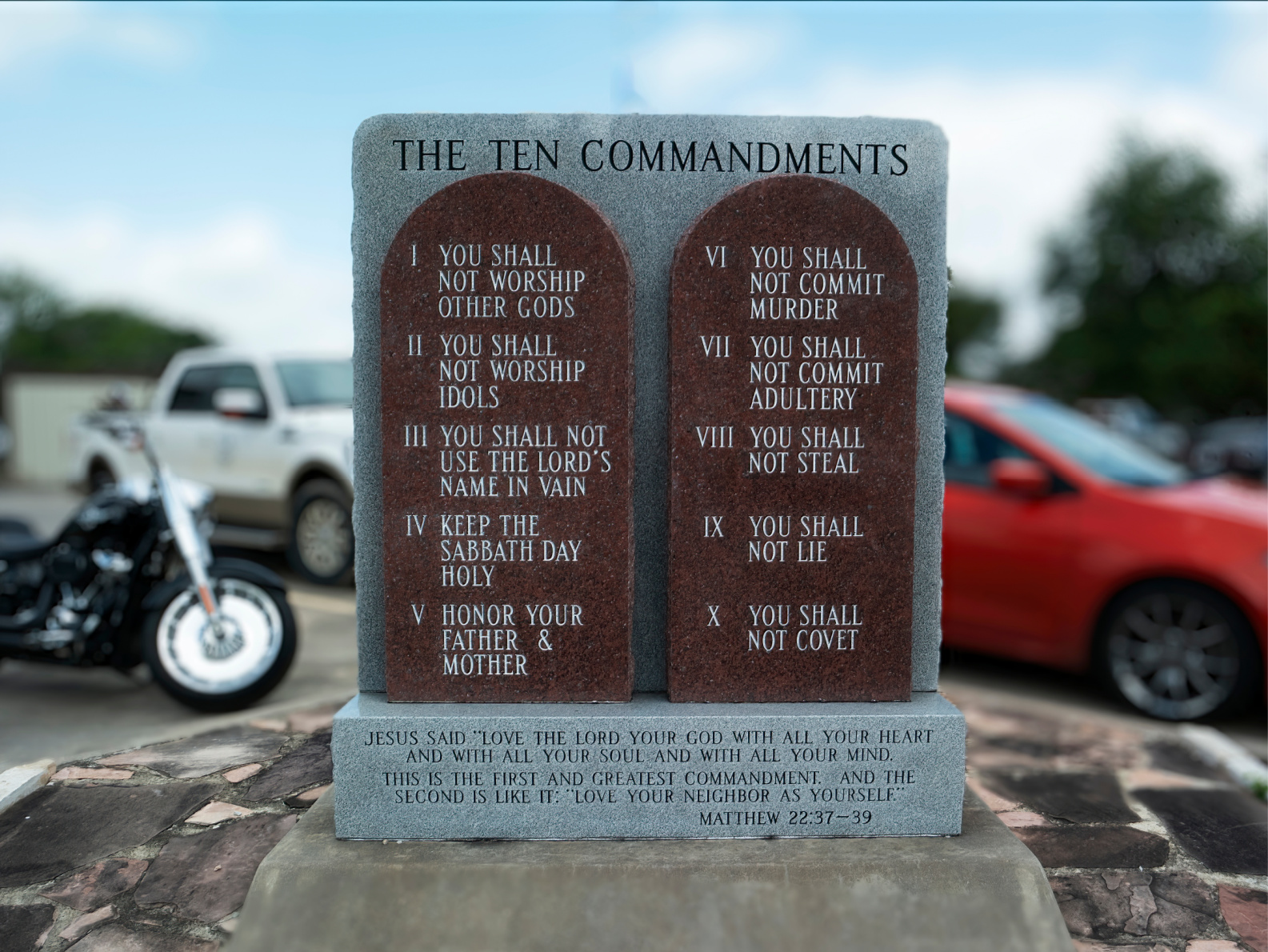
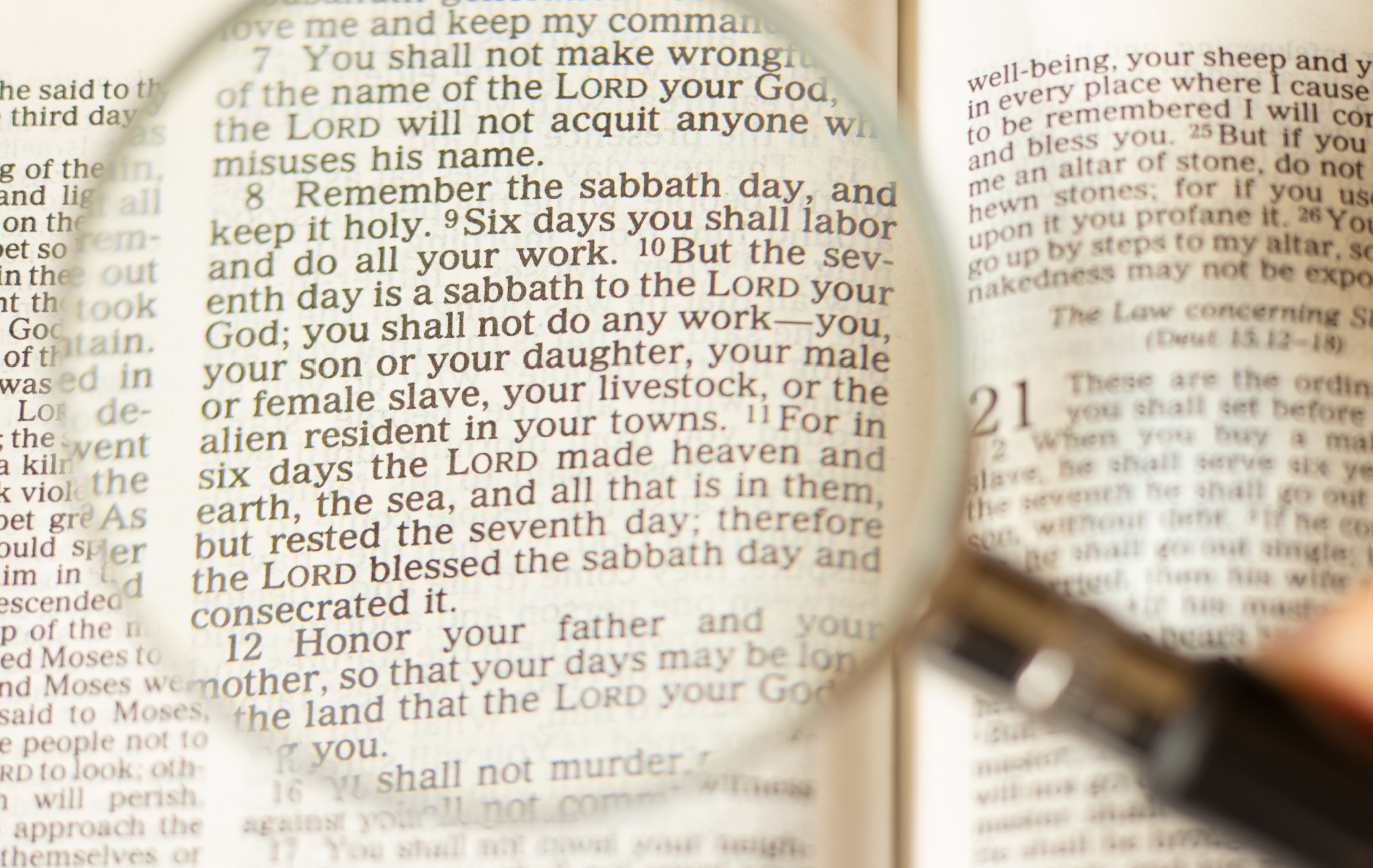
That’s part of why the commandment “You shall not take the Lord’s name in vain” still matters far more than many people realize.
Because maybe this commandment was never just about a phrase. Maybe it was also about how we carry ourselves, how we treat others, and whether our actions actually reflect the values we claim to believe.
Words Reveal More Than We Think
It’s easy to dismiss this commandment as simply avoiding certain language. But scripture often points to something deeper than surface behavior.
Words matter because they reveal character.
The way we speak to people—especially when we’re angry, frustrated, or convinced we’re right—says a great deal about who we are. So does the way we talk about people when they’re not in the room.
Gossip. Cruelty. Constant outrage. Public humiliation disguised as entertainment.
None of it reflects strength the way our culture sometimes pretends it does.
In fact, some of the loudest voices today are also the most careless with their words.
Faith Was Never Meant to Be Performative
There’s another part of this conversation that deserves honesty too: using faith as appearance instead of conviction.
We live in a time where people often put their beliefs on display publicly while behaving very differently privately. Faith becomes branding. A quote in a bio. A carefully crafted image.
But this commandment calls for more than saying the right things.
It calls for integrity.
Because carrying the name of God while treating people with bitterness, dishonesty, arrogance, or cruelty sends a message too—and not a good one.
Faith was never supposed to be performative. It was supposed to transform the way we live.
The Power of a Pause
One of the simplest things we can do today is pause before we speak.
Before firing off the angry response.
Before posting something meant to wound.
Before assuming the worst in someone else.
Words are powerful. Once spoken, they have a way of lingering longer than we intend.
A harsh sentence can stay with someone for years. So can encouragement. So can grace.
That’s why this commandment still matters in modern life. Not because we’re expected to speak perfectly, but because we’re called to speak thoughtfully.
There’s a difference.
Respect Is Not Weakness
Somewhere along the way, civility started getting mistaken for weakness. Patience became unfashionable. Kindness became suspicious. And respectful disagreement became increasingly rare.
But strength isn’t found in who can yell the loudest or embarrass someone the fastest.
Real strength is self-control.
It’s knowing how to disagree without dehumanizing.
It’s choosing restraint when anger would be easier.
It’s understanding that integrity matters even when no one is applauding it.
And perhaps most importantly, it’s making sure our actions align with the values we claim to hold.
A Challenge for the Week Ahead
This week, take inventory of your words.
Not just the words you say publicly—but the private ones too.
How do you speak to your family when you’re stressed?
How do you respond when someone disagrees with you?
Do your words build people up—or tear them down?
None of us get it right all the time. But awareness is a good place to start.
Because maybe taking the Lord’s name in vain isn’t only about what comes out of our mouths.
Maybe it’s also about whether our lives reflect what we claim to believe.
RECENT
🇺🇸 Why the Liberty Bell Doesn’t Actually Ring Anymore
Did You Know?

A Rock Star’s Road to Redemption
Entertainment

New York Community Replaces Defaced Declaration Replica
America
How Four Seconds Can Help Calm the Mind
Friday Fuel

Heather Jenkins and The Power of Intentional Rest
Health & Wellness

Kentucky Bridge Project Gets $24M Boost
American Infra

Arizona Extends Farm Water Fee Relief
In The States

Macaroni, Dive Bars and Sundaes: July 7 Gets Weird
Offbeat Observances

Michigan Storm Recovery Gets Bipartisan Federal Boost
In The States

Canada Says Goodbye To Country Gentleman Tommy Hunter
Entertainment
BE THE FIRST TO KNOW
Want to stay in the loop? Be the first to know! Sign up for our newsletter and get the latest stories, updates, and insider news delivered straight to your inbox.

More Content By
Quinn Harper
Faithfulness Is More Than Marriage
Marriage
When Disagreement Becomes Contempt
Opinion

The People We Take for Granted
Opinion

Freedom Was Never Free—And We Shouldn’t Live Like It Was
America
Maybe We’ve Forgotten How to Rest
Opinion
Faith, Words, and Integrity
Opinion

We Don’t Bow to Idols Anymore—Or Do We?
Opinion

Where Faith Meets Real Life
Opinion

Is Gen Z Finding Faith Again? Not So Fast
Opinion

After Easter: Now What? Living the Resurrection in Everyday Life
Opinion
View All Content By Quinn Harper