Jan 29
Animals
Truffle Dogs Are Sniffing Out New Species for Science
Adobe Stock/Татьяна Креминская
Dogs With Noses for More Than Gourmet Finds
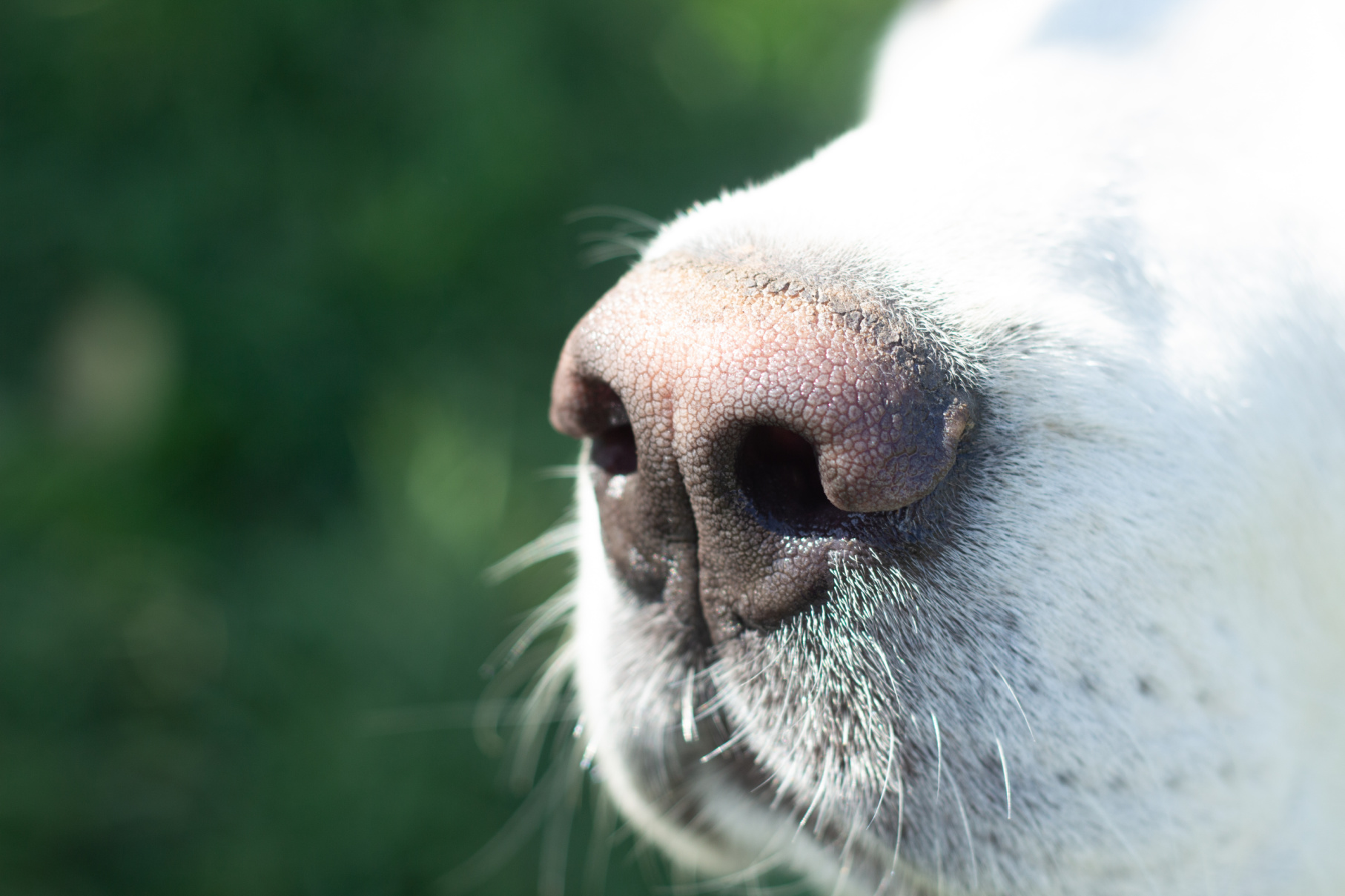
In the forests of North Carolina, truffle-hunting dogs are doing more than uncovering culinary treasures. They’re helping scientists identify rare fungi species and better understand the health of entire ecosystems. Specially trained dogs like Massi, Rosie and Dolce — all Lagotto Romagnolos — are using their powerful sense of smell to locate underground truffles that humans would otherwise miss.
Citizen Science Beneath the Forest Floor
While chefs prize truffles for their aroma and flavor, scientists value them for what they reveal about the environment. Truffles are underground fungi that form symbiotic relationships with plant roots, making them sensitive indicators of soil health, biodiversity and climate change. By finding these fungi, trained dogs help researchers catalog species — including ones new to science — providing critical baseline data for conservation efforts.
Why Dogs Are Essential to Truffle Research
Unlike rakes or untrained foragers, dogs can locate truffles without damaging delicate fungal networks beneath the soil. Their precision allows researchers to collect specimens responsibly, preserving ecosystems while expanding scientific knowledge. This makes truffle dogs an unexpected but valuable tool in environmental monitoring.
From Side Hustle to Scientific Contribution
Many truffle hunters begin for culinary or economic reasons, but their work often intersects with science. As more foragers collaborate with mycologists, discoveries of new truffle species are increasing, particularly in regions of the U.S. that were previously understudied. Each identification helps scientists understand how ecosystems respond to stressors like urbanization, drought and shifting climates.
A Growing Movement With Broader Impact
Truffle-hunting dogs now appear at festivals, training programs and research projects nationwide. What started as a niche practice is becoming a bridge between food culture, citizen science and conservation. With every successful find, these dogs are proving that environmental discovery doesn’t always begin in a lab — sometimes it starts with a wagging tail and a nose in the dirt.
RECENT
🇺🇸 Why the Liberty Bell Doesn’t Actually Ring Anymore
Did You Know?

A Rock Star’s Road to Redemption
Entertainment

New York Community Replaces Defaced Declaration Replica
America

How Four Seconds Can Help Calm the Mind
Friday Fuel

Heather Jenkins and The Power of Intentional Rest
Health & Wellness

Kentucky Bridge Project Gets $24M Boost
American Infra
Arizona Extends Farm Water Fee Relief
In The States

Macaroni, Dive Bars and Sundaes: July 7 Gets Weird
Offbeat Observances

Michigan Storm Recovery Gets Bipartisan Federal Boost
In The States

Canada Says Goodbye To Country Gentleman Tommy Hunter
Entertainment
BE THE FIRST TO KNOW
Want to stay in the loop? Be the first to know! Sign up for our newsletter and get the latest stories, updates, and insider news delivered straight to your inbox.

More Content By
Think American News Staff🇺🇸 Why the Liberty Bell Doesn’t Actually Ring Anymore
Did You Know?
A Rock Star’s Road to Redemption
Entertainment
New York Community Replaces Defaced Declaration Replica
America
Kentucky Bridge Project Gets $24M Boost
American Infra
Arizona Extends Farm Water Fee Relief
In The States
Michigan Storm Recovery Gets Bipartisan Federal Boost
In The States
Canada Says Goodbye To Country Gentleman Tommy Hunter
Entertainment

PA Lawmakers Focus on Energy
Energy

John Adams Saw America’s Future Before Anyone Else
America

The Revolutionary Ideas Behind July 4
Did You Know?
View All Content By Think American News Staff