
Adobe Stock/AdriaVidal/stock.adobe.com

Holiday Deals Bring Holiday Scammers
With Cyber Monday just days away, cybersecurity experts are urging shoppers to stay alert. As millions rush to snag limited-time deals, scammers take advantage of the urgency and excitement—setting traps through fake websites, fraudulent ads, and malicious links designed to steal personal and financial information.
“They know people are less suspicious when they see good deals because it’s that time of year,” one expert explained. “Shoppers feel pressured to buy quickly before the deal goes away.”
How Scammers Target You
According to McAfee.com, using unsecured Wi-Fi at malls, airports, or cafés makes it easy for hackers to access your data. Another rising threat: fake QR codes slapped on posters or flyers promising exclusive or last-minute deals, which instead lead to phishing sites.
Fraudsters also use text-message scams, sending links disguised as delivery updates or time-sensitive discounts. Once clicked, the link can install malware or redirect to a realistic-looking fake store.
Spotting Red Flags
Experts like Dr. Karni Feferkorn warn consumers to avoid clicking on unsolicited links and instead verify deals independently. A simple Google search can reveal whether others have reported the offer as a scam.
Shoppers should double-check website URLs, ensuring there are no added characters, misspellings, or unusual symbols—classic indicators of fake sites. Sites using HTTPS offer more security, though AI-generated scam sites are increasingly sophisticated.
“If you receive a link and you’re interested in the deal, don’t click it,” Feferkorn said. “Exit, then Google the retailer’s real website. If the deal exists there, great. If not, it might be a scam.”
Staying Safe Online
RECENT

Creating a Cozy Home That Supports Your Well-Being
Health & Wellness

5 Easy Ways to Prepare for the Next Season Before It Takes Over
Health & Wellness

Your 40s Aren’t Just About Hormones — They’re About Your Heart
Uncategorized

Wellness Benefits of Pumpkin Season
Health & Wellness

Fall Into Wellness: Creating a Healthier Autumn Routine
Health & Wellness

How to Prepare for Holiday Stress Before It Takes Over
Fitness
🇺🇸 Why the Liberty Bell Doesn’t Actually Ring Anymore
Did You Know?

A Rock Star’s Road to Redemption
Entertainment
New York Community Replaces Defaced Declaration Replica
America
How Four Seconds Can Help Calm the Mind
Friday Fuel
BE THE FIRST TO KNOW
Want to stay in the loop? Be the first to know! Sign up for our newsletter and get the latest stories, updates, and insider news delivered straight to your inbox.

More Content By
Think American News Staff🇺🇸 Why the Liberty Bell Doesn’t Actually Ring Anymore
Did You Know?
A Rock Star’s Road to Redemption
Entertainment
New York Community Replaces Defaced Declaration Replica
America

Kentucky Bridge Project Gets $24M Boost
American Infra
Arizona Extends Farm Water Fee Relief
In The States
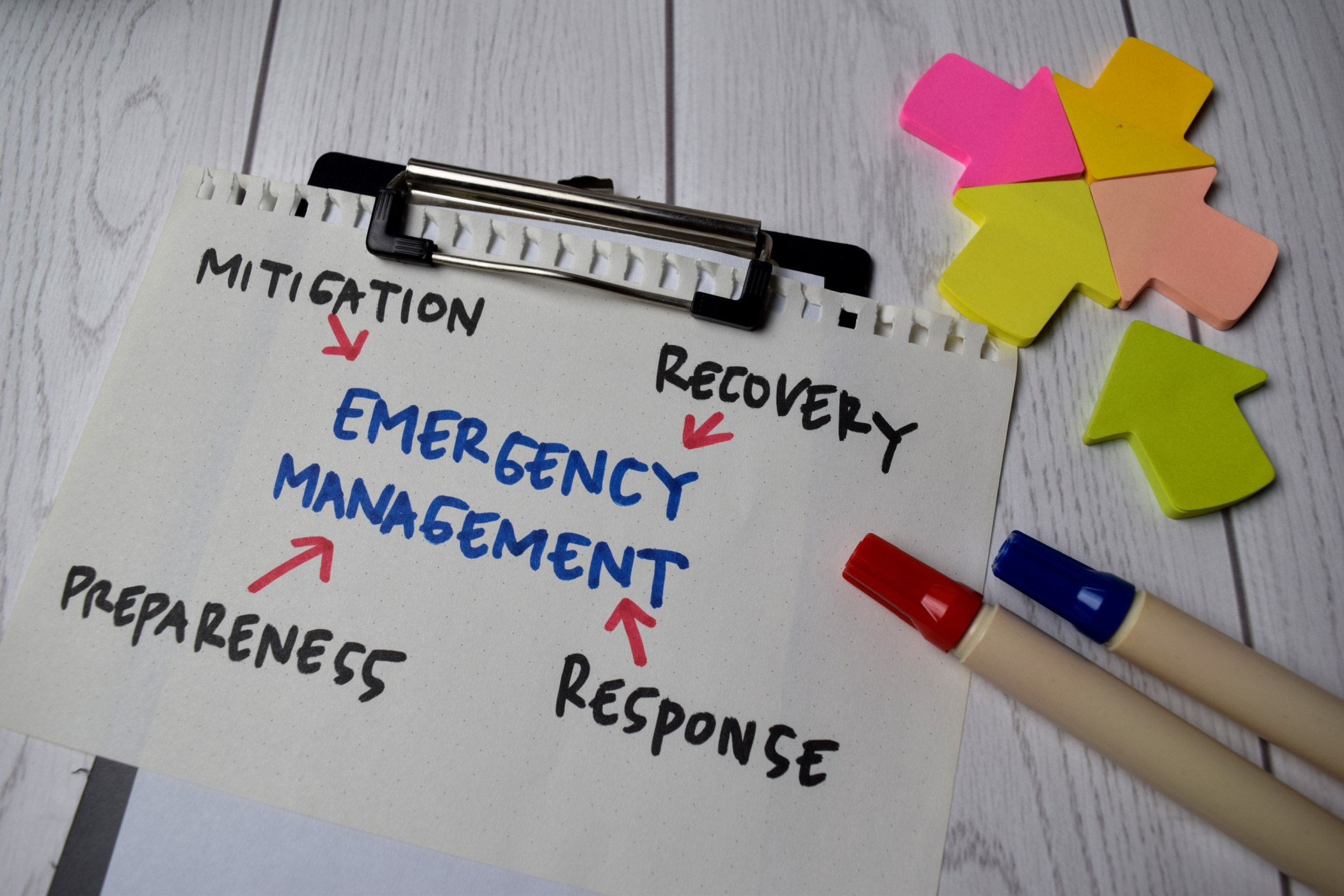
Michigan Storm Recovery Gets Bipartisan Federal Boost
In The States

Canada Says Goodbye To Country Gentleman Tommy Hunter
Entertainment

PA Lawmakers Focus on Energy
Energy

John Adams Saw America’s Future Before Anyone Else
America

The Revolutionary Ideas Behind July 4
Did You Know?
View All Content By Think American News Staff