Nov 29
Did You Know?
What They Really Ate in 1621: The First Thanksgiving Menu
Adobe Stock/Drazen/stock.adobe.com
A Three-Day Harvest Gathering, Not “Thanksgiving”
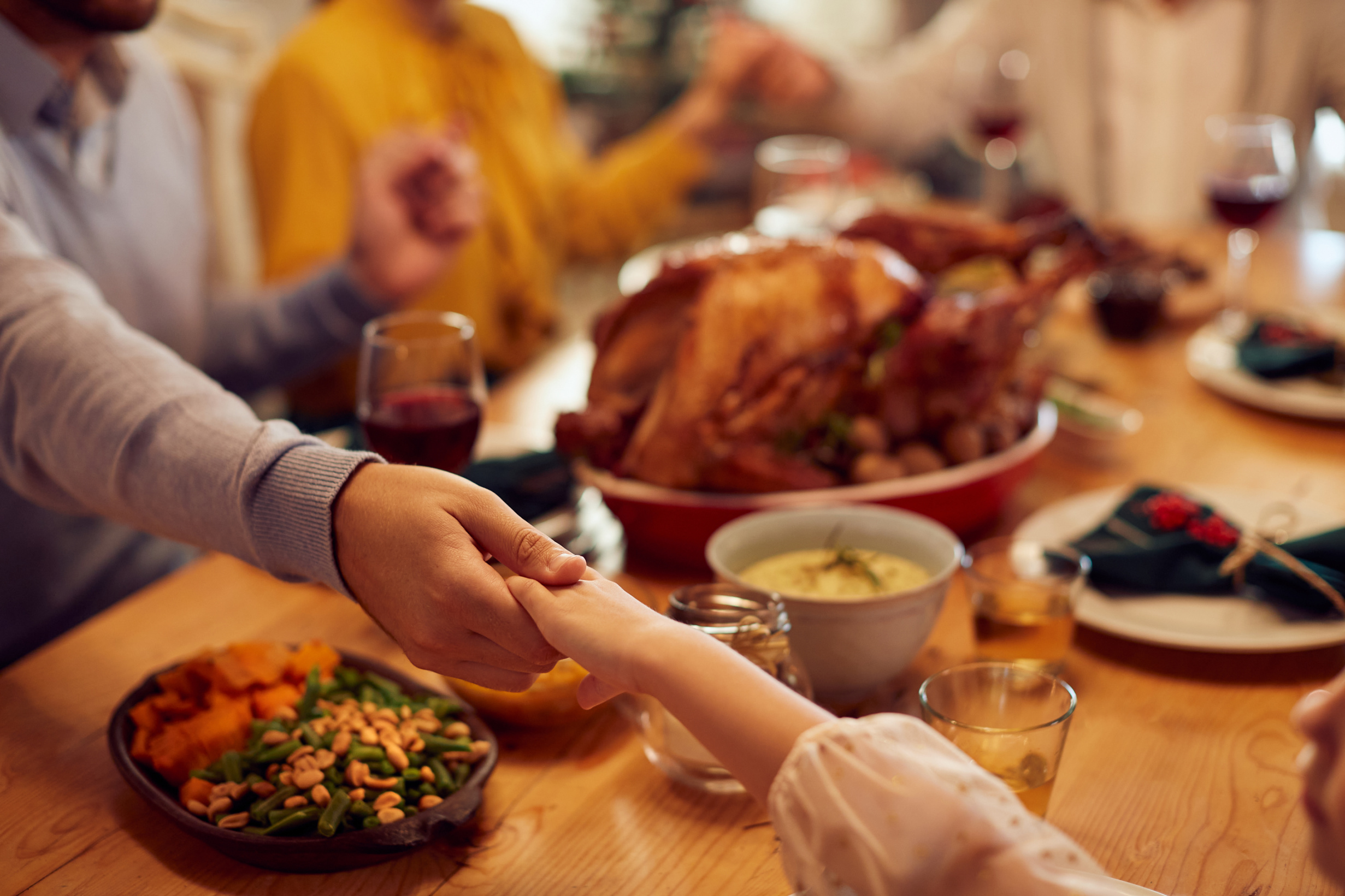
The event we now call the “First Thanksgiving” was a three-day harvest celebration in the fall of 1621 shared by the Plymouth colonists and Wampanoag people.
It wasn’t called Thanksgiving.
It wasn’t a formal holiday.
And the menu looked nothing like the dishes found on today’s tables.
The best historical evidence comes from two sources:
• Edward Winslow’s brief 1621 account in Mourt’s Relation
• William Bradford’s later writings in Of Plymouth Plantation
Neither offers a full menu — but what they do describe gives scholars a remarkably clear picture.
Meat Was the Centerpiece — But Not Turkey
Winslow recorded that Governor William Bradford sent men out “fowling,” which could mean ducks, geese, and swans — much more common in New England marshes than wild turkey.
Turkey may have been present, but it was not the star of the meal.
The most certain detail?
The Wampanoag brought five deer.
Venison was almost certainly the highlight of the gathering.
Other possible meats included:
• Eels, often roasted
• Shellfish, including clams and mussels
• Fish, especially bass and cod, which were abundant
Protein was plentiful and diverse — reflecting both cultures’ knowledge of their surroundings.
Corn Was Central, but Not on the Cob
Corn was a staple of Wampanoag agriculture. But it wasn’t served as today’s corn-on-the-cob.
In autumn, corn would have already been dried and ground.
Likely dishes included:
• Nasaump — a thick cornmeal porridge
• Cornbread-like cakes prepared from ground maize
Corn was prepared in ways that sustained both peoples through the winter.
Vegetables and Fruits of the Season
Plymouth colonists and Wampanoag families would have included foods available in late autumn, such as:
• Squash
• Pumpkins (but not pumpkin pie — there was no butter or wheat flour)
• Beans
• Onions and leeks
• Turnips
• Carrots
• Cabbage
Fresh berries, such as cranberries, were available — but there was no sugar for sauce or relish.
No Pies, No Rolls, No Potatoes
Many modern staples simply didn’t exist in New England in 1621.
Absent from the 1621 table:
• Potatoes (white or sweet)
• Cranberry sauce
• Gravy (no flour for roux)
• Apple pie (no apples yet)
• Butter
• Sugar
• Wheat flour
• Stuffing as we know it
The feast was hearty, but it was nothing like modern Thanksgiving dinners.
Flavors and Cooking Methods
Colonists roasted meats over open fires or baked them in clay ovens.
The Wampanoag cooked using:
• earth ovens
• boiling with hot stones
• roasting on spits
Herbs such as sage, thyme, and parsley were available and may have seasoned the fowl.
The combination of Wampanoag knowledge and English cooking created dishes unique to early colonial New England.
A Shared Meal Rooted in Survival
More than anything, the 1621 gathering was a moment of cooperation, gratitude for survival, and celebration of harvest after a brutal first year.
Historians emphasize that while the foods were simple, the meaning of the gathering was profound:
Two distinct cultures, each contributing what they had, coming together to share the bounty of the season.
RECENT

Creating a Cozy Home That Supports Your Well-Being
Health & Wellness

5 Easy Ways to Prepare for the Next Season Before It Takes Over
Health & Wellness

Your 40s Aren’t Just About Hormones — They’re About Your Heart
Uncategorized
Wellness Benefits of Pumpkin Season
Health & Wellness

Fall Into Wellness: Creating a Healthier Autumn Routine
Health & Wellness

How to Prepare for Holiday Stress Before It Takes Over
Fitness
🇺🇸 Why the Liberty Bell Doesn’t Actually Ring Anymore
Did You Know?

A Rock Star’s Road to Redemption
Entertainment
New York Community Replaces Defaced Declaration Replica
America
How Four Seconds Can Help Calm the Mind
Friday Fuel
BE THE FIRST TO KNOW
Want to stay in the loop? Be the first to know! Sign up for our newsletter and get the latest stories, updates, and insider news delivered straight to your inbox.

More Content By
Think American News Staff🇺🇸 Why the Liberty Bell Doesn’t Actually Ring Anymore
Did You Know?
A Rock Star’s Road to Redemption
Entertainment
New York Community Replaces Defaced Declaration Replica
America
Kentucky Bridge Project Gets $24M Boost
American Infra
Arizona Extends Farm Water Fee Relief
In The States

Michigan Storm Recovery Gets Bipartisan Federal Boost
In The States

Canada Says Goodbye To Country Gentleman Tommy Hunter
Entertainment
PA Lawmakers Focus on Energy
Energy

John Adams Saw America’s Future Before Anyone Else
America
The Revolutionary Ideas Behind July 4
Did You Know?
View All Content By Think American News Staff