Oct 06
Living Civics
The Work You Don’t See: Honoring Everyday Americans Who Keep Life Moving
Adobe Stock/Anna/stock.adobe.com
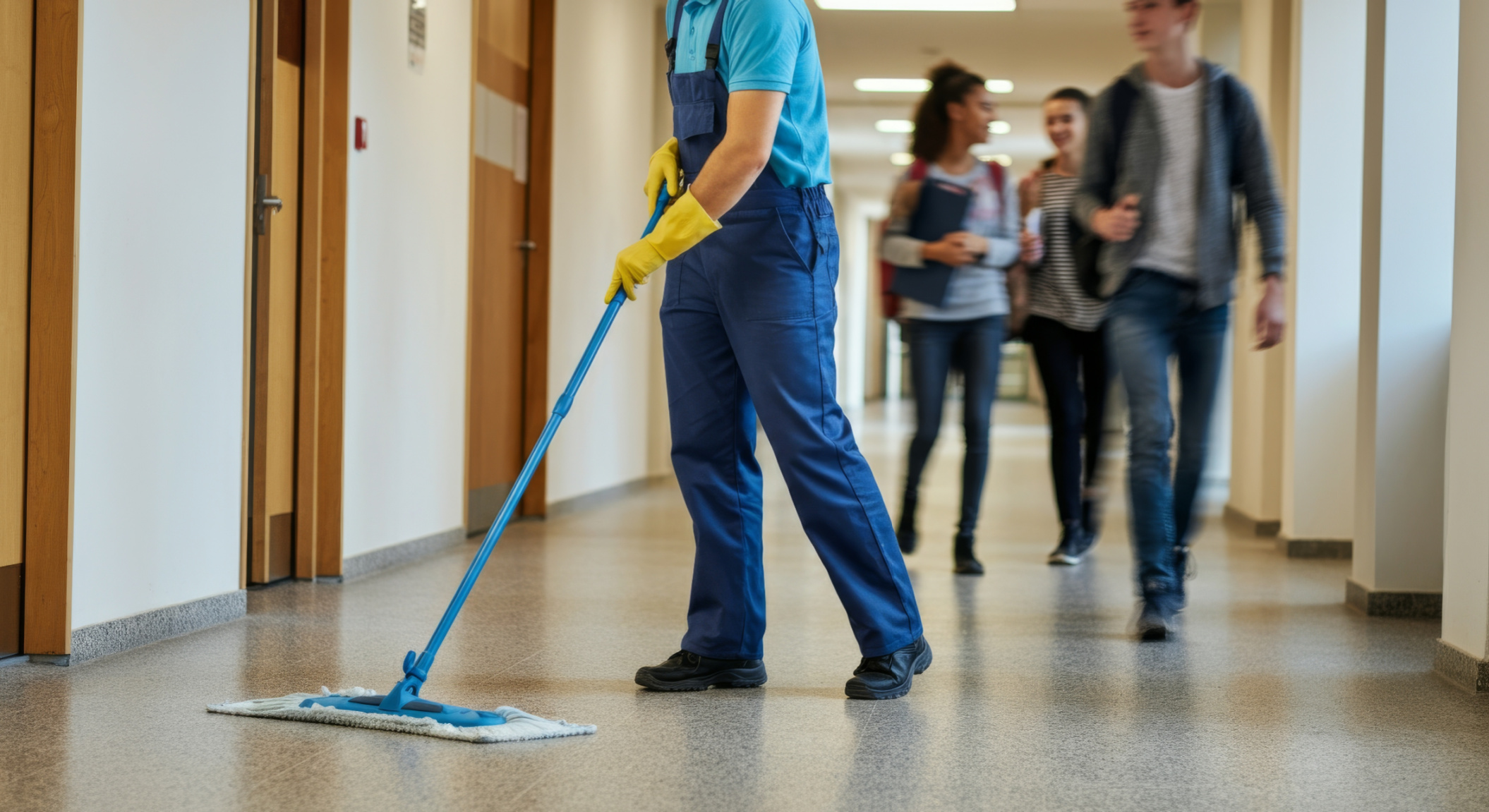
In every community, there are people whose work is rarely celebrated but quietly sustains the world around us. They are the ones who turn off the lights when everyone else has gone home, who restock the shelves before the day begins, who bake cupcakes for a classroom party or stay late to help a struggling student. They are parents, teachers, volunteers, janitors, and caretakers—ordinary people doing extraordinary work that often goes unseen.
The Power of Unseen Effort
Invisible labor isn’t limited to physical tasks—it’s emotional, mental, and often deeply personal. It’s the parent who spends hours helping with homework after working a full day. The school janitor who fixes what’s broken before students even notice it was ever out of place. The volunteer coach who gives up weekends so a group of kids can learn teamwork and confidence. These efforts don’t make headlines, but they make a difference.
What’s most remarkable is that this work is done not for applause, but out of care—care for others, for community, and for doing what’s right. Yet, too often, we overlook the value of these contributions because they don’t come with titles or paychecks that signal importance.
The Emotional Toll of Being Unseen
There’s a quiet exhaustion that comes with feeling invisible. Teachers who buy classroom supplies out of pocket. Caregivers who sacrifice sleep and self-care to tend to a loved one. Volunteers who give their time while juggling full-time jobs. When people’s effort is taken for granted, it wears on morale. Gratitude doesn’t cost a dime, but its absence can cost a lot.
We live in a culture that tends to glorify visibility—the loudest voices, the biggest platforms, the flashiest achievements. But real strength often lives in the margins—in those who do the work no one talks about, because someone has to.
How We Can Do Better
Recognition doesn’t require grand gestures. It starts with awareness—slowing down enough to notice the people who make our lives function smoothly. Say thank you to the janitor who keeps your child’s school clean. Leave a note of appreciation for the volunteer who organizes your community’s food drive. Let the teacher know her patience made an impact.
Businesses and institutions can play a role, too. Creating “recognition moments” for custodial staff or volunteers can change the culture of a workplace or community. Small acknowledgments build belonging and pride.
Even in our own homes, invisible labor deserves notice. The partner who manages the grocery list, plans family events, or makes sure the bills are paid isn’t just “helping out”—they’re doing essential work that keeps the household running.
A Call for Cultural Shift
To truly value invisible labor, we must redefine what success and contribution look like. It’s not only about profit margins or public recognition—it’s about impact. The people who quietly keep things running are often the glue holding everything together. When we acknowledge their work, we not only honor them—we remind ourselves that community is built on connection, not just accomplishment.
America’s backbone isn’t just innovation or enterprise—it’s empathy. It’s the neighbor who checks in, the volunteer who shows up, the janitor who ensures safety and order without asking for thanks.
So, take a moment this week to notice who’s standing quietly behind the scenes. They’re not invisible—they’ve just been waiting for us to look up and see them.
RECENT

Creating a Cozy Home That Supports Your Well-Being
Health & Wellness

Creating a Cozy Home That Supports Your Well-Being
Health & Wellness

5 Easy Ways to Prepare for the Next Season Before It Takes Over
Health & Wellness

Your 40s Aren’t Just About Hormones — They’re About Your Heart
Uncategorized

Wellness Benefits of Pumpkin Season
Health & Wellness

Fall Into Wellness: Creating a Healthier Autumn Routine
Health & Wellness

How to Prepare for Holiday Stress Before It Takes Over
Fitness
🇺🇸 Why the Liberty Bell Doesn’t Actually Ring Anymore
Did You Know?

A Rock Star’s Road to Redemption
Entertainment
New York Community Replaces Defaced Declaration Replica
America
BE THE FIRST TO KNOW
Want to stay in the loop? Be the first to know! Sign up for our newsletter and get the latest stories, updates, and insider news delivered straight to your inbox.

More Content By
Jessica Curtis
When Life Steals Your Song
Kindness

Fast Lane, Short Fuse
Living Civics
Honey, I Shrunk the Frogs
Animals

A Small-Town Rescue With Four Paws and a Lesson
Mans Best Friend

When Little Ears Learn Big Words
Living Civics

The Endless Loyalty and Love of a Dog
Mans Best Friend

When the Calendar Changes, Character Counts
Opinion

Appreciating the Little Moments That Make Life Beautiful
Living Civics
Remember This: The Day America’s Original 13 Became One
Opinion

Memorial Day Is Not Just a Long Weekend
America
View All Content By Jessica Curtis