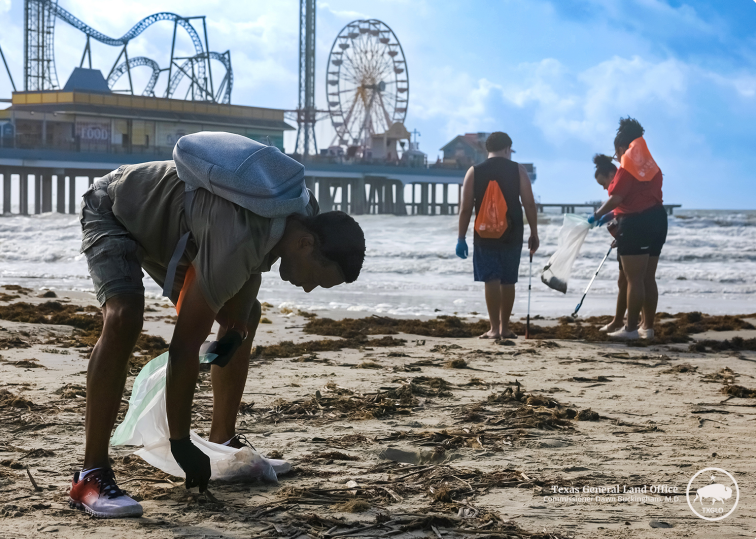
Aug 30
Conservation
Texas Completes Four-Year Project to Restore Colonial Waterbird Populations
Adobe Stock/RK/stock.adobe.com
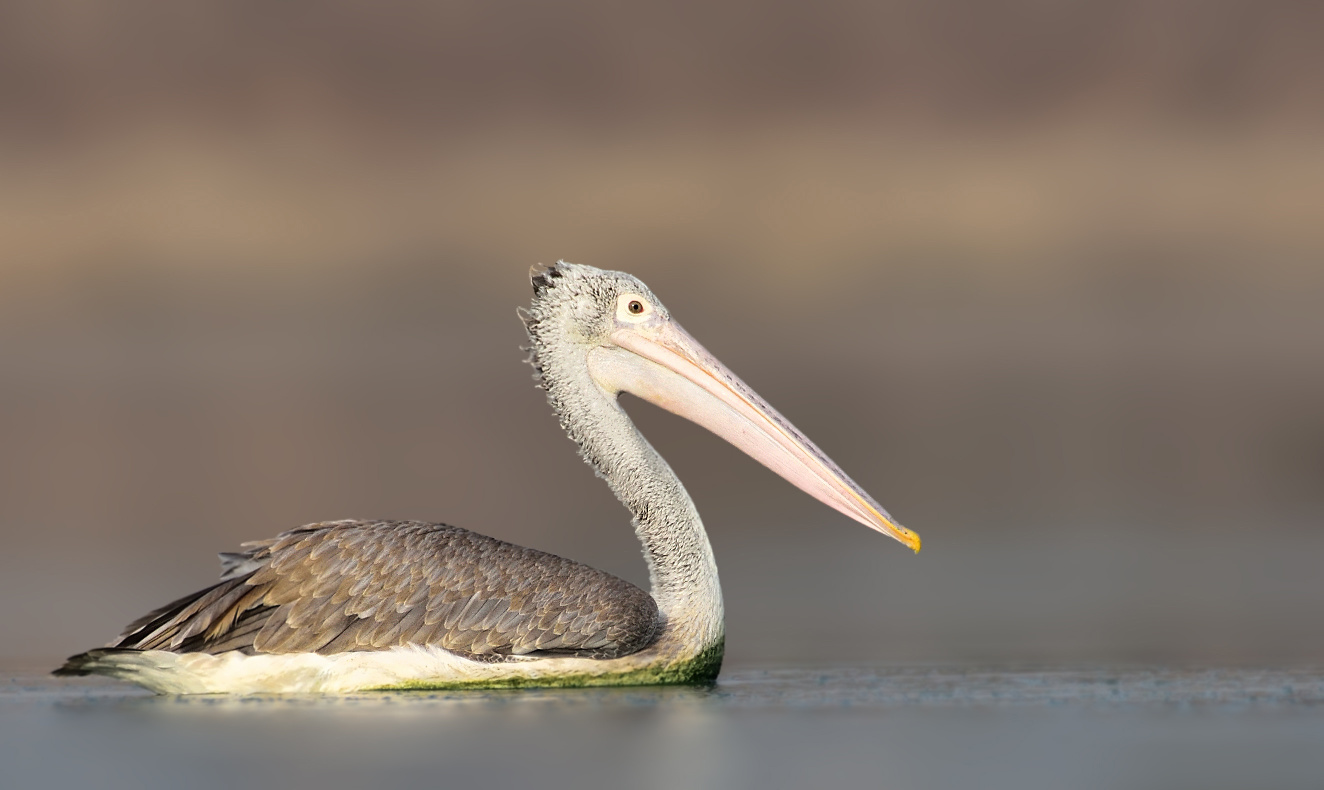
Texas Land Commissioner Dawn Buckingham has announced the successful completion of a sweeping conservation initiative aimed at protecting and revitalizing colonial waterbird populations along the Gulf Coast. The project, led by the Texas General Land Office’s Coastal Management Program in partnership with the Coastal Bend Bays and Estuaries Program, restored and enhanced more than 180 rookery islands across eight coastal bay systems.
“As a proud Texan who grew up near our beautiful coast and was a coastal resident for over a decade, protecting and preserving the diverse wildlife habitats that make up the Texas Gulf Coast region is a mission near to my heart,” said Commissioner Buckingham. “These islands are essential to supporting populations of colonial waterbirds, which are vital to healthy coastal ecosystems, and include one of the last known nesting grounds of the American White Pelican in the entire Gulf Coast.”
Over the course of four years, the Restoring Colonial Waterbird Populations project was designated a “Project of Special Merit” under the Coastal Management Program. It focused on monitoring, managing, and restoring rookery island habitats that provide critical nesting sites for waterbirds. Crews removed debris, treated fire ants and invasive species, repaired nest platforms, and monitored educational signage to reduce nest abandonment and improve breeding success. Altogether, more than 130 active waterbird colonies were supported, and biologists recorded 22 distinct species using the islands, including Great Blue Herons and Reddish Egrets.
Beyond immediate restoration, the project also prepared for the future. Engineering designs and permitting were completed for two high-priority sites—Benny Shack Island in the Lower Laguna Madre and Deadman Island in Aransas Bay. Both are slated for construction under the GLO’s Coastal Erosion Planning and Response Act Program, with work expected to begin in 2026. These steps tie directly into the state’s 2023 Texas Coastal Resiliency Master Plan, which highlights rookery island protection as a vital ecological strategy.
Buckingham, who became Texas’ first female Land Commissioner in 2022, emphasized that this achievement is part of her broader commitment to safeguard the state’s natural resources while strengthening the communities that depend on them. Recent GLO initiatives have included removing abandoned vessels near Galveston and launching a beach nourishment project on West Galveston Beach.
The Restoring Colonial Waterbird Populations project officially wrapped up in March 2025, but its benefits will last for years. With healthier rookery islands in place, the Texas Gulf Coast is better equipped to sustain the bird populations that define its skies and contribute to the delicate balance of its coastal ecosystems.
RECENT
🇺🇸 Why the Liberty Bell Doesn’t Actually Ring Anymore
Did You Know?

A Rock Star’s Road to Redemption
Entertainment
New York Community Replaces Defaced Declaration Replica
America

How Four Seconds Can Help Calm the Mind
Friday Fuel

Heather Jenkins and The Power of Intentional Rest
Health & Wellness

Kentucky Bridge Project Gets $24M Boost
American Infra
Arizona Extends Farm Water Fee Relief
In The States

Macaroni, Dive Bars and Sundaes: July 7 Gets Weird
Offbeat Observances

Michigan Storm Recovery Gets Bipartisan Federal Boost
In The States

Canada Says Goodbye To Country Gentleman Tommy Hunter
Entertainment
BE THE FIRST TO KNOW
Want to stay in the loop? Be the first to know! Sign up for our newsletter and get the latest stories, updates, and insider news delivered straight to your inbox.

More Content By
Think American News Staff🇺🇸 Why the Liberty Bell Doesn’t Actually Ring Anymore
Did You Know?
A Rock Star’s Road to Redemption
Entertainment
New York Community Replaces Defaced Declaration Replica
America
Kentucky Bridge Project Gets $24M Boost
American Infra
Arizona Extends Farm Water Fee Relief
In The States
Michigan Storm Recovery Gets Bipartisan Federal Boost
In The States
Canada Says Goodbye To Country Gentleman Tommy Hunter
Entertainment
PA Lawmakers Focus on Energy
Energy

John Adams Saw America’s Future Before Anyone Else
America
The Revolutionary Ideas Behind July 4
Did You Know?
View All Content By Think American News Staff