Jun 29
Politics
Poll: Majority of Voters Fear Political Violence Is on the Rise
Adobe Stock/Joa Souza/stock.adobe.com
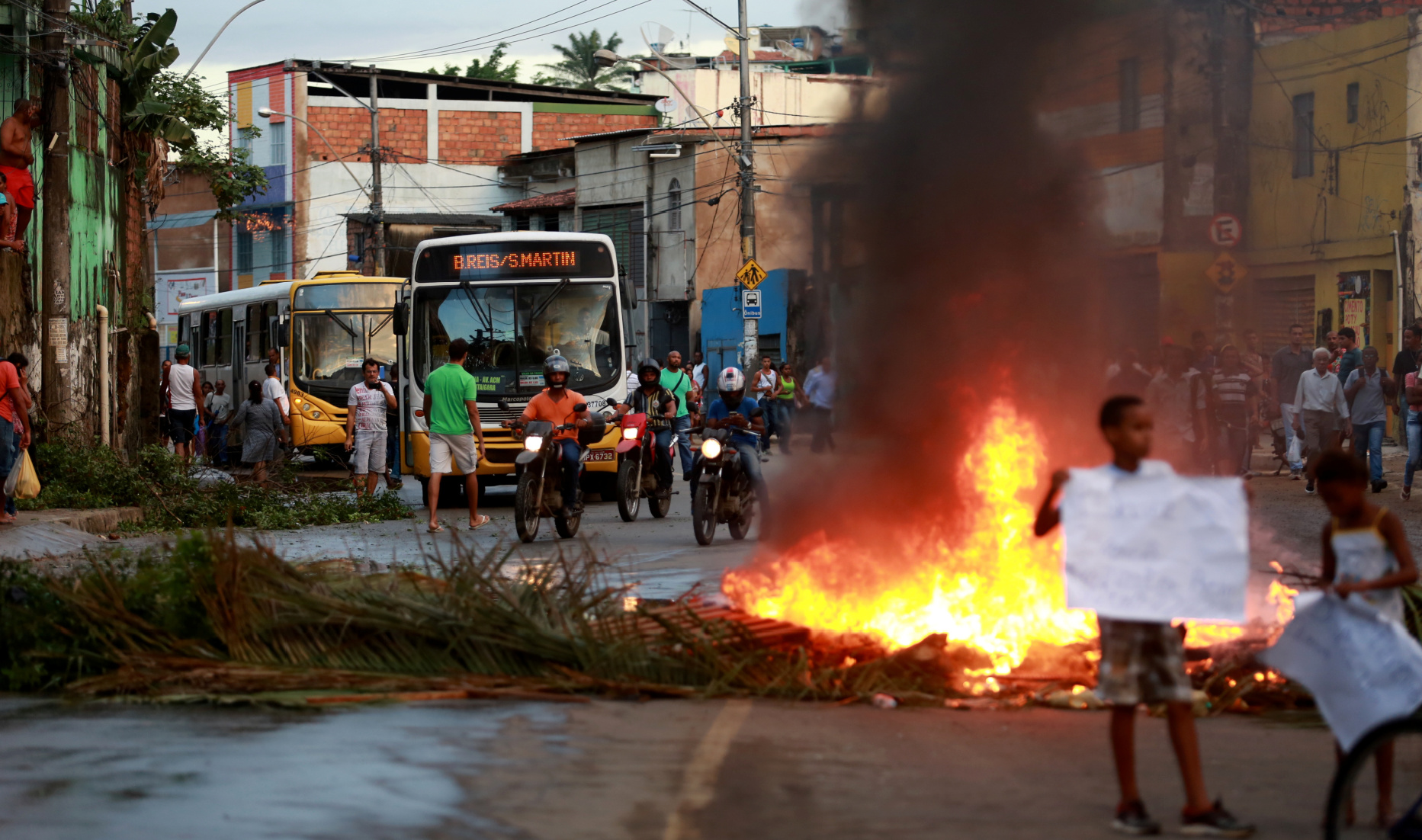
A new national survey by Rasmussen Reports reveals growing alarm among American voters about the trajectory of political violence in the United States, with nearly four in five respondents predicting more violent incidents in the near future.
The poll, conducted June 17–19 among 1,097 likely U.S. voters, comes on the heels of a politically motivated shooting in Minnesota, where four individuals—including two Democratic lawmakers—were wounded in what authorities called a “targeted political assassination.”
According to the findings, 45% of voters believe it is “very likely” that additional political violence will erupt in the coming months, with another 33% saying it is “somewhat likely.” Only 12% of respondents believe further violence is unlikely, while 10% remain unsure.
When asked what they believe is driving this violence, a clear majority pointed to heated political rhetoric, with 55% of voters identifying it as the primary cause. Just 19% blamed the availability of firearms, while 17% pointed to mental illness. This suggests that the public sees the broader tone of political discourse as more culpable than access to weapons or personal health challenges.
The poll also shows a strong consensus that the normalization of anger and hostility is taking a toll on the nation’s political and social fabric. When presented with the statement, “I am very concerned … at how we are normalizing violence, hostile political rhetoric, anger and hatred every day,” an overwhelming 86% agreed—64% strongly and 22% somewhat.
These results highlight a deep and bipartisan concern about the health of American democracy and the tone of public debate. With a presidential election season underway and partisan divisions running deep, voters are clearly on edge about what lies ahead.
The survey carries a margin of sampling error of ±3 percentage points with a 95% level of confidence.
As the country reckons with the implications of politically motivated violence, the findings raise pressing questions about the responsibility of political leaders, media figures, and social platforms in shaping discourse—and calming it.
RECENT
🇺🇸 Why the Liberty Bell Doesn’t Actually Ring Anymore
Did You Know?

A Rock Star’s Road to Redemption
Entertainment
New York Community Replaces Defaced Declaration Replica
America
How Four Seconds Can Help Calm the Mind
Friday Fuel

Heather Jenkins and The Power of Intentional Rest
Health & Wellness

Kentucky Bridge Project Gets $24M Boost
American Infra

Arizona Extends Farm Water Fee Relief
In The States

Macaroni, Dive Bars and Sundaes: July 7 Gets Weird
Offbeat Observances

Michigan Storm Recovery Gets Bipartisan Federal Boost
In The States

Canada Says Goodbye To Country Gentleman Tommy Hunter
Entertainment
BE THE FIRST TO KNOW
Want to stay in the loop? Be the first to know! Sign up for our newsletter and get the latest stories, updates, and insider news delivered straight to your inbox.
More Content By
Think American News Staff🇺🇸 Why the Liberty Bell Doesn’t Actually Ring Anymore
Did You Know?
A Rock Star’s Road to Redemption
Entertainment
New York Community Replaces Defaced Declaration Replica
America
Kentucky Bridge Project Gets $24M Boost
American Infra
Arizona Extends Farm Water Fee Relief
In The States
Michigan Storm Recovery Gets Bipartisan Federal Boost
In The States
Canada Says Goodbye To Country Gentleman Tommy Hunter
Entertainment
PA Lawmakers Focus on Energy
Energy

John Adams Saw America’s Future Before Anyone Else
America
The Revolutionary Ideas Behind July 4
Did You Know?
View All Content By Think American News Staff