
Jun 02
Living Civics
Why Mind Your Own Business is the Key to a Happier, More Respectful Society
Adobe Stock/MarekPhotoDesign.com/stock.adobe.com
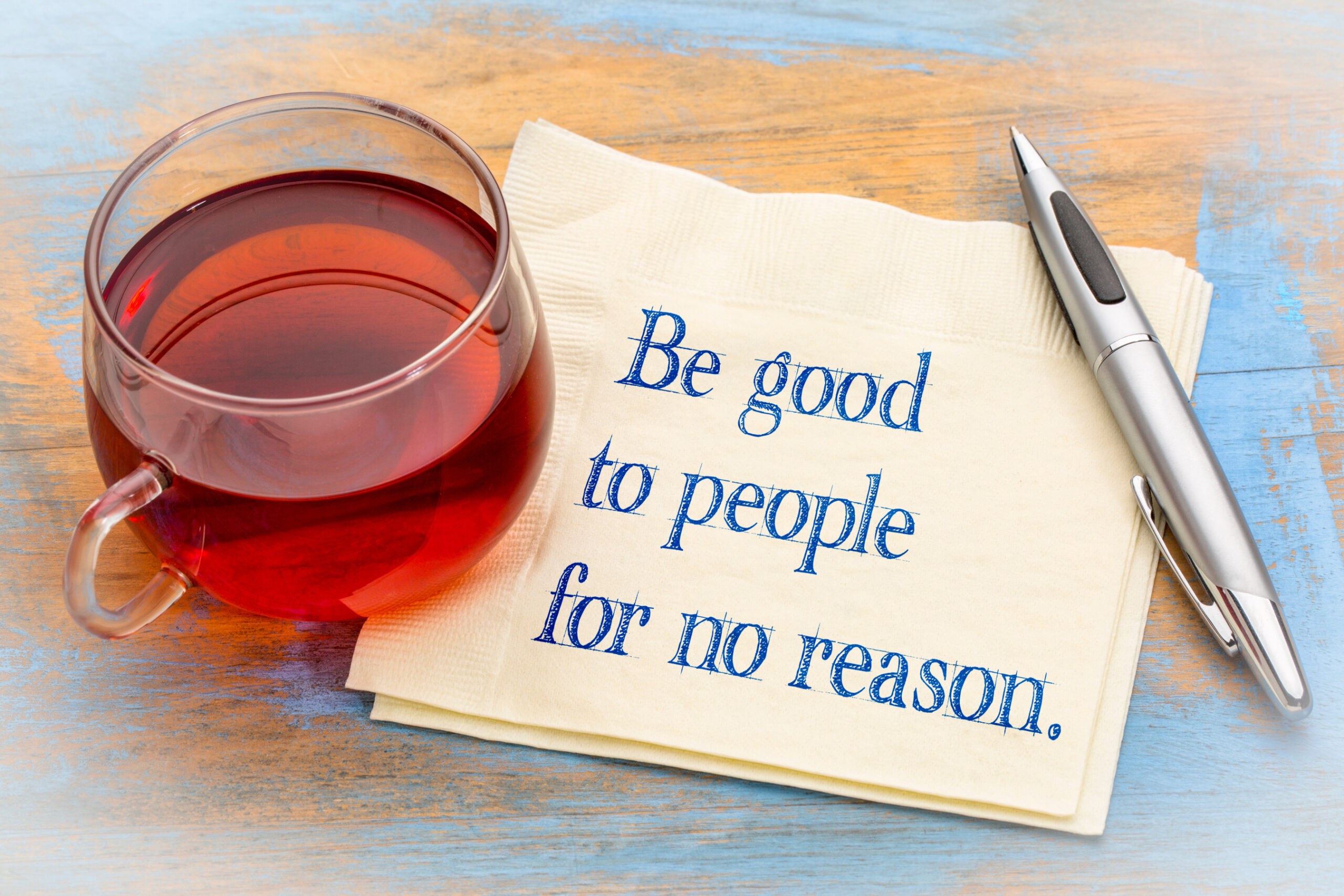
In today’s world, it’s easy to feel overwhelmed by the constant noise and the pull of digital distractions. Social media, news outlets, and even casual conversations often feel like they are designed to provoke, argue, or criticize. In this fast-paced environment, we’ve grown accustomed to commenting on everything and everyone. Yet, one of the simplest and most powerful acts of civility is often overlooked: minding our own business.
“Mind your own business” is a phrase that’s frequently tossed around, often in a dismissive or annoyed manner, but when examined more closely, it holds a profound lesson. In the context of modern civics, this lesson transcends mere self-preservation or avoidance. It speaks to the heart of respect, personal boundaries, and emotional intelligence—the building blocks of a harmonious society.
Respecting Autonomy and Personal Boundaries
At the core of the principle “mind your own business” is the understanding and respect of others’ autonomy. Each person has their own life, decisions, and priorities, and it’s important to acknowledge that, just as we value our right to privacy and independence, so too do others.
When we overstep boundaries, even with the best of intentions, we may unintentionally intrude on personal matters that do not concern us. Whether it’s offering unsolicited advice, commenting on someone’s personal life, or making judgments about a situation we know little about, these actions create discomfort and tension in relationships.
Mindfulness in this area doesn’t mean ignoring people or being indifferent to their struggles. On the contrary, it’s about understanding the delicate balance between offering support and intruding into someone’s personal space. Knowing when to listen and when to refrain from commenting is a vital social skill, one that shows respect for others’ ability to manage their lives.
In work settings, for example, a study from the American Psychological Association revealed that a significant portion of workplace conflicts stems from people not respecting boundaries or overstepping their roles. In a professional environment, this can lead to resentment, decreased productivity, and a toxic culture. When we focus on our own tasks and responsibilities without interfering in others’ work, we contribute to a more efficient, respectful, and positive work environment.
The Power of Restraint: Creating Space for Others
In a world where everyone’s business seems to be on display, whether it’s on social media or in the form of gossip, there’s immense power in restraint. Practicing the art of knowing when to hold back or stay silent can be one of the most transformative ways to improve relationships, both in personal and public settings.
When we refrain from offering unsolicited opinions or jumping into conversations where our input isn’t needed, we create space for others to be heard. This is an invaluable gift in a world that often feels like it’s shouting over one another. By showing restraint, we give others the freedom to express themselves and solve their problems without the added weight of unsolicited judgment.
Additionally, when we refrain from meddling, we also make space for our own growth and reflection. When we stop worrying about others’ issues and focus on our own, we can better identify areas of personal development and improvement. This shift in focus not only strengthens our own character but also cultivates a healthier and more peaceful environment for those around us.
Why Civility Requires Self-Control
Mindfulness and restraint go hand in hand with civility. Civility is often seen as the act of showing politeness and courtesy in our interactions, but it is far more than just being polite. True civility involves exercising self-control in our interactions—particularly when we’re tempted to voice opinions that might not be welcomed or necessary.
We live in a world where people often feel the urge to “speak up” and “make their voices heard,” but sometimes, the most civil thing to do is to remain silent. Knowing when to be silent is just as important as knowing when to speak. In fact, there’s a certain kind of strength that comes with the decision to mind your own business and leave certain issues alone. It requires maturity to know when it’s appropriate to step in and when to respect others’ space.
In a democracy, civility is essential for creating constructive dialogue, and understanding when to mind our own business fosters the respectful atmosphere needed for that dialogue to thrive. Without the ability to step back and allow others the space to express their views, we risk creating environments of constant conflict, misunderstanding, and frustration.
The Ripple Effect of Kindness and Respect
Kindness and respect are not just abstract virtues; they are the building blocks of strong communities. When we choose to mind our own business and refrain from unnecessary interference, we are not only respecting the autonomy of others, but we are also contributing to an atmosphere of peace and understanding.
This principle doesn’t just apply to our relationships with family and friends. It can extend to how we interact with people in public spaces, workplaces, and even online. For instance, respecting someone’s privacy and refraining from prying into their personal affairs can have a profound impact on how they feel about themselves and their surroundings. A society where people are constantly overstepping boundaries is one filled with tension, suspicion, and a lack of trust.
On the other hand, a society where individuals respect each other’s space and autonomy fosters a sense of mutual trust and camaraderie. In such an environment, people feel free to be themselves, to speak their minds when appropriate, and to seek help when needed, knowing they won’t be judged or intruded upon.
Small acts of respect—such as allowing someone to manage their own challenges or refraining from commenting on personal matters—send a message of kindness and empathy. These actions have a ripple effect, inspiring others to adopt the same mindset and approach. Over time, this creates a culture of respect that transcends individual interactions and contributes to a healthier, more collaborative society.
The Takeaway: It’s Not Just About Mindfulness, But Action
While “minding your own business” is often seen as a passive action, it is, in fact, a profound act of civics and personal responsibility. It’s about recognizing the importance of boundaries and understanding that our involvement in others’ lives—unless solicited—can sometimes do more harm than good. It’s about showing respect for the lives and experiences of others and having the maturity to know when to hold back.
By making a conscious effort to embrace this lesson, we can restore the civility that has always been at the heart of American values. It’s not about avoiding engagement or becoming indifferent to others—it’s about knowing when and how to offer support in a way that’s respectful and unobtrusive. This small act, repeated consistently, contributes to a culture of kindness, understanding, and mutual respect. And in turn, it makes the world a better place for all of us.
In the end, being a good person isn’t about grand gestures or lofty ideals. It’s about the small, everyday choices we make—the kindness we show, the respect we give, and the restraint we practice. Every time we choose to mind our own business in a respectful, thoughtful way, we contribute to a more compassionate and connected society. So let’s take this lesson to heart and make it a cornerstone of our daily interactions, building stronger communities and a brighter future for everyone.
RECENT

Creating a Cozy Home That Supports Your Well-Being
Health & Wellness

Creating a Cozy Home That Supports Your Well-Being
Health & Wellness

5 Easy Ways to Prepare for the Next Season Before It Takes Over
Health & Wellness

Your 40s Aren’t Just About Hormones — They’re About Your Heart
Uncategorized

Wellness Benefits of Pumpkin Season
Health & Wellness

Fall Into Wellness: Creating a Healthier Autumn Routine
Health & Wellness

How to Prepare for Holiday Stress Before It Takes Over
Fitness
🇺🇸 Why the Liberty Bell Doesn’t Actually Ring Anymore
Did You Know?

A Rock Star’s Road to Redemption
Entertainment

New York Community Replaces Defaced Declaration Replica
America
BE THE FIRST TO KNOW
Want to stay in the loop? Be the first to know! Sign up for our newsletter and get the latest stories, updates, and insider news delivered straight to your inbox.

More Content By
Jessica Curtis
When Life Steals Your Song
Kindness

Fast Lane, Short Fuse
Living Civics

Honey, I Shrunk the Frogs
Animals

A Small-Town Rescue With Four Paws and a Lesson
Mans Best Friend

When Little Ears Learn Big Words
Living Civics

The Endless Loyalty and Love of a Dog
Mans Best Friend

When the Calendar Changes, Character Counts
Opinion

Appreciating the Little Moments That Make Life Beautiful
Living Civics
Remember This: The Day America’s Original 13 Became One
Opinion

Memorial Day Is Not Just a Long Weekend
America
View All Content By Jessica Curtis