
Apr 14
Living Civics
Think Before You Speak: The Simple Habit That Can Change Someone’s Entire Day
Adobe Stock/MarekPhotoDesign.com/stock.adobe.com
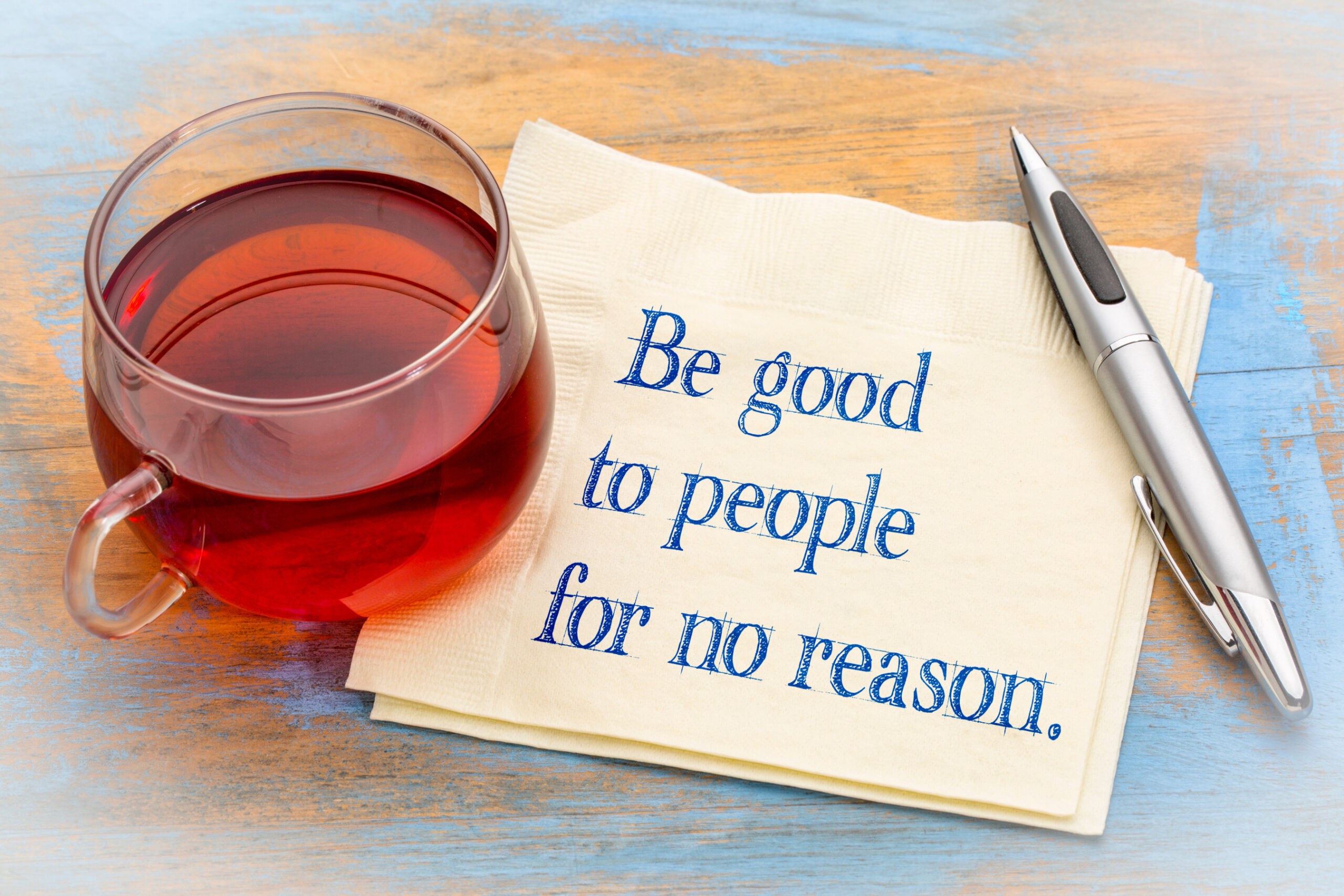
In our fast-paced world, it’s easy to forget the impact our words and actions can have on others. We rush through conversations, default to small talk, and sometimes speak without really thinking. But the truth is, every interaction we have—no matter how brief—carries the power to either uplift or diminish someone else. And more often than we realize, it’s the little things that stay with people the longest.
We all want to feel seen, appreciated, and understood. That sense of being valued doesn’t come from big speeches or grand gestures—it comes from simple, thoughtful moments. A smile from a stranger. A compliment that feels genuine. A conversation where someone really listens. These things are free, and yet they can make all the difference.
And just as kindness can leave a mark, so too can carelessness.
One of the more common—and often unintentional—ways people cause hurt is through comments about someone’s appearance. Whether it’s a remark about weight, aging, clothing, or even someone looking “tired,” these observations, no matter how well-meaning, can land in ways we don’t intend. What might seem like a harmless comment can trigger deep insecurities or remind someone of a struggle they’re already carrying in silence.
Weight, in particular, remains a sensitive topic. For many, it’s tied to personal battles, health challenges, mental health, or years of social pressure. When we say things like “You’ve lost weight—you look great!” it may sound like a compliment, but it can send an unintended message: that they didn’t look good before. Or worse, it might celebrate a change that was unintentional or even the result of illness, stress, or grief.
Surveys show that a significant percentage of people—up to 75% in some studies—feel uncomfortable when others comment on their appearance, even when it’s meant kindly. And it’s not just about what we say, but how often we say it. When compliments or observations consistently focus on appearance, we send the signal that a person’s worth is tied to how they look, rather than who they are.
This is especially true for young people. In a culture saturated with social media filters and curated perfection, teens and young adults are reporting record levels of loneliness, anxiety, and self-doubt. They are constantly comparing themselves to unattainable standards. The smallest comment about how someone looks—intended as a kindness—can become fuel for that quiet, internal battle.
But it’s not just young people who are impacted. During the height of the COVID-19 pandemic, millions of people experienced a different kind of isolation—churches went quiet, routines vanished, and community connections frayed. Many coped with the stress in different ways—some gained weight, some lost it, some simply changed. As we emerged from that fog, there was a collective vulnerability that came with being seen again. And yet, instead of reconnecting through warmth and empathy, many were met with comments like, “You look different!” or “What happened to your hair?”
These moments matter. And while they may seem small or fleeting, they reveal a broader truth: we need to be more thoughtful. Not cautious to the point of silence, but intentional in what we choose to say and how we choose to say it.
So what should we say?
Instead of focusing on the physical, focus on the personal. Compliment someone’s sense of humor, their creativity, their resilience. Acknowledge the energy they bring into a room or the kindness they showed to someone else. Tell them they’re doing a great job, or that you admire how they handled a tough situation. These kinds of compliments dig deeper and last longer.
Being thoughtful also means paying attention to timing. Not every conversation needs commentary. Silence, at times, can be a gift—especially when someone is just showing up and doing their best. And if you do choose to say something, ask yourself: Is this kind? Is it helpful? Is it necessary? If it doesn’t meet those marks, maybe it doesn’t need to be said at all.
Beyond what we say, how we act also matters. Holding the door, letting someone go ahead of you in line, sending a quick note of encouragement—these tiny gestures add up. They send a message: “I see you. You matter.” In a time when so many people feel unseen and unheard, these signals are more important than ever.
Ultimately, kindness isn’t about being perfect. It’s not about always saying the right thing or never making mistakes. It’s about making the effort to be aware, to care, and to try. It’s about showing up in the world with the intention of doing good—even in the smallest ways.
When we approach our interactions with others through that lens, we don’t just avoid doing harm—we actively do good. We lift people up. We create a ripple effect that reaches far beyond ourselves. And we slowly start to rebuild a culture where decency, empathy, and respect are the norm—not the exception.
So the next time you’re about to make a comment—pause. Consider the impact. Choose kindness. You never know what someone is carrying, and your words might be the soft place they land.
Because in the end, being thoughtful isn’t just about watching what you say. It’s about remembering that what you say has weight. And when we choose to speak with care, we make the world a little lighter for everyone.
RECENT

What Our Dogs Teach Us About Loyalty in a Disposable World
Animals

What You Eat Is Shaping Your Brain
Friday Fuel

Weekend Plans, Solved
Family

Indiana Cracks Down on Severe Animal Abuse
Animals

Missouri Debates Abuse Lawsuit Timeline
In The States

Don McLean Honored at Opry
Entertainment

Rest Isn’t Lazy—It’s Necessary
Health & Wellness

Michigan Targets Tax Relief
In The States

Massive Cleanup Effort Clears 24 Tons from Texas Coast
Community

April 28: A Day for Tall Tales and Prime Cuts
Offbeat Observances
BE THE FIRST TO KNOW
Want to stay in the loop? Be the first to know! Sign up for our newsletter and get the latest stories, updates, and insider news delivered straight to your inbox.

More Content By
Jessica CurtisWhat Our Dogs Teach Us About Loyalty in a Disposable World
Animals
Common Sense: In a Moment Like This, We Choose Who We Are
Common Sense Corner

Living Civics: Lessons from an Alpaca Farm in Northern Virginia
Kindness

Think Twice Before Reacting
Living Civics

Everyone’s in a Hurry… for What?
Opinion

When Did Common Courtesy Become Optional?
Living Civics

Meet Taylor Mieszkuc: A Rising Voice with “Matches”
Entertainment

Four Astronauts, One Perspective: A Lesson for Earth
Kindness

Built to Last
Marriage

Kindness in the Crossroads
Living Civics
View All Content By Jessica Curtis