Adobe Stock/Ruslan

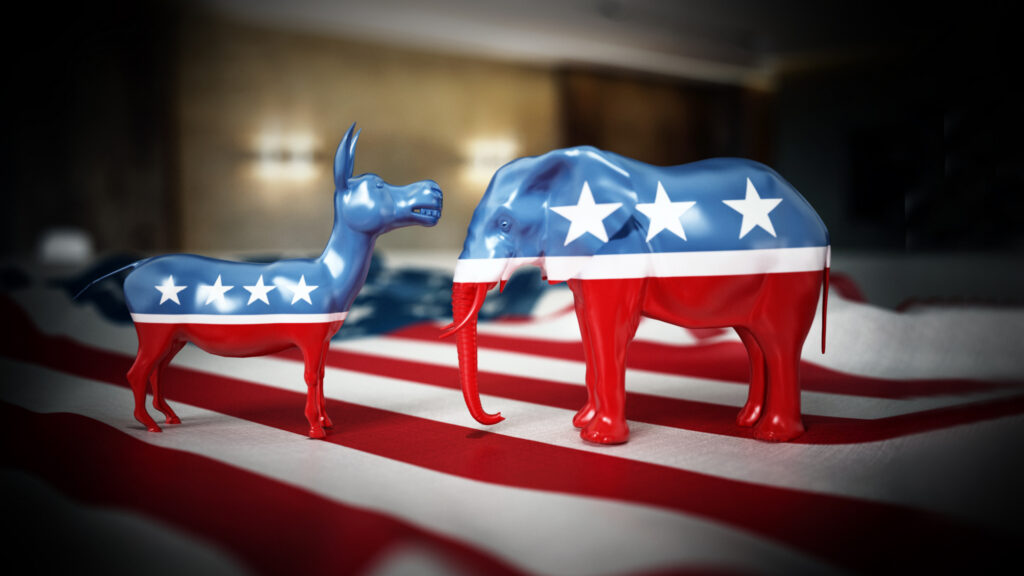
As debate intensifies in Washington, D.C. over the future of the filibuster, new research from The Winston Group highlights a key reality: Republicans—and voters more broadly—remain deeply divided on the issue.
Voters Lean Toward Keeping the Filibuster
According to the latest “Winning the Issues” survey (March 15–17), voters overall favor keeping the filibuster in place by a 49–34 margin. Support spans party lines, with Democrats backing it 56–29 and independents 49–31.
Republicans, however, tell a different story. The party is essentially split, with 41% supporting keeping the filibuster and 42% favoring its elimination.
A Party Divided on Strategy
When Republicans were asked what their own leadership should do, the divide held firm. Half of the argument centers on preserving a tool Republicans have historically used while in the minority to block legislation they oppose. The other half focuses on eliminating it to pass key priorities—like voter ID legislation—with a simple majority.
The result: a 42–42 deadlock among Republicans. Conservative voters and those who supported President Trump mirrored that same split, while self-identified MAGA voters leaned more toward eliminating the filibuster.
What It Means in the Senate
When those numbers are translated into potential Senate votes, the path forward becomes even clearer—and more complicated. Even under the most aggressive assumptions, there are not enough Republican votes to eliminate the filibuster.
Estimates suggest roughly half of Republican senators would support keeping it, with the remainder split or undecided—well short of the threshold needed for such a major procedural change.
A Debate Far From Settled
The findings underscore a broader challenge: while the filibuster remains a powerful legislative tool, there is no clear consensus within the Republican Party on how—or whether—it should be used moving forward.
For now, the filibuster’s future remains uncertain. But one thing is clear: any effort to change it will face not just partisan opposition, but internal division as well.
RECENT

Creating a Cozy Home That Supports Your Well-Being
Health & Wellness

5 Easy Ways to Prepare for the Next Season Before It Takes Over
Health & Wellness

Your 40s Aren’t Just About Hormones — They’re About Your Heart
Uncategorized

Wellness Benefits of Pumpkin Season
Health & Wellness

Fall Into Wellness: Creating a Healthier Autumn Routine
Health & Wellness

How to Prepare for Holiday Stress Before It Takes Over
Fitness
🇺🇸 Why the Liberty Bell Doesn’t Actually Ring Anymore
Did You Know?

A Rock Star’s Road to Redemption
Entertainment
New York Community Replaces Defaced Declaration Replica
America

How Four Seconds Can Help Calm the Mind
Friday Fuel
BE THE FIRST TO KNOW
Want to stay in the loop? Be the first to know! Sign up for our newsletter and get the latest stories, updates, and insider news delivered straight to your inbox.

More Content By
Think American News Staff🇺🇸 Why the Liberty Bell Doesn’t Actually Ring Anymore
Did You Know?
A Rock Star’s Road to Redemption
Entertainment
New York Community Replaces Defaced Declaration Replica
America

Kentucky Bridge Project Gets $24M Boost
American Infra

Arizona Extends Farm Water Fee Relief
In The States

Michigan Storm Recovery Gets Bipartisan Federal Boost
In The States

Canada Says Goodbye To Country Gentleman Tommy Hunter
Entertainment

PA Lawmakers Focus on Energy
Energy

John Adams Saw America’s Future Before Anyone Else
America
The Revolutionary Ideas Behind July 4
Did You Know?
View All Content By Think American News Staff