Office of Sen. Mary Felzkowski
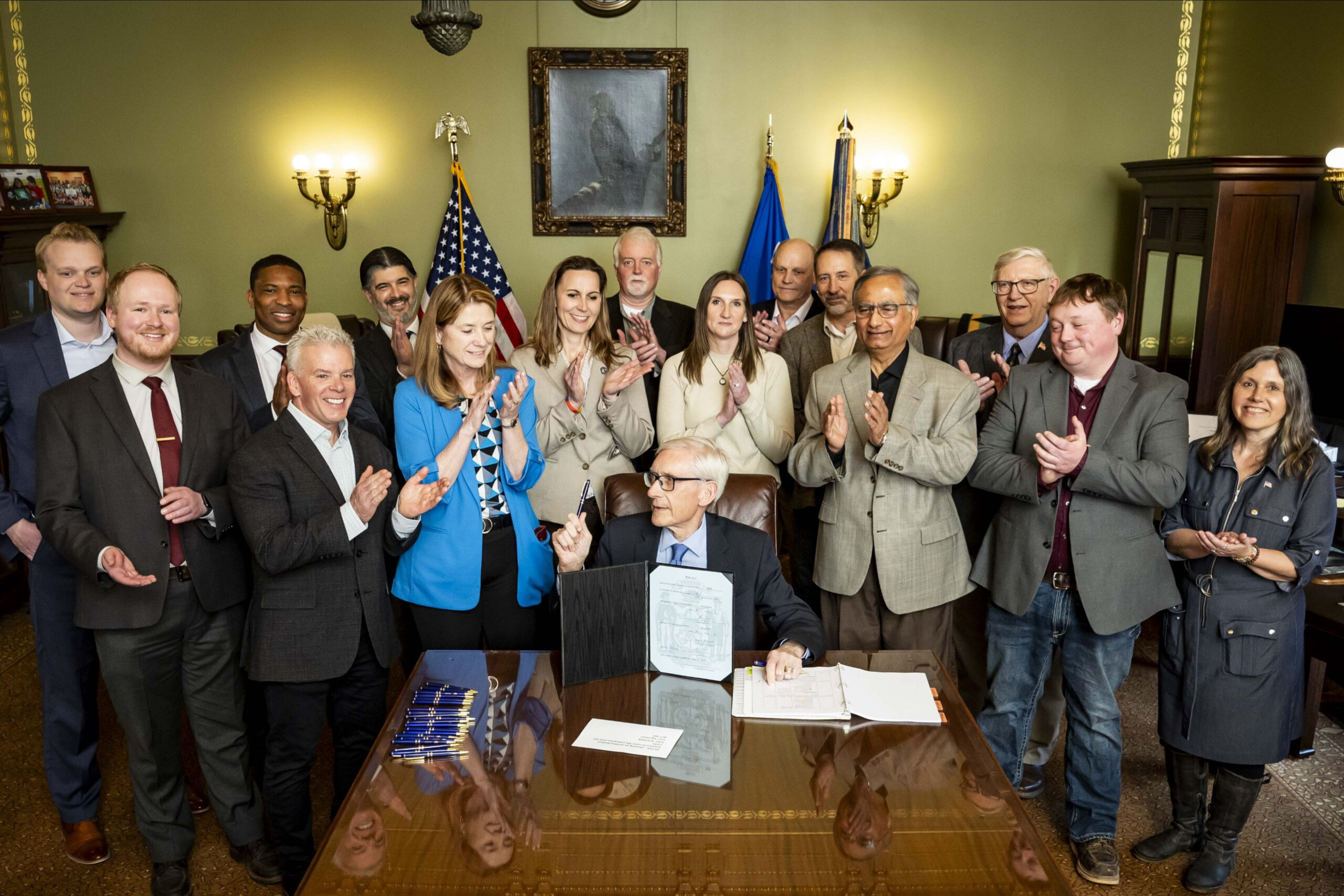
Northern Wisconsin is entering a new chapter. With the signing of the Forestry Revitalization Act into law, state leaders are making one of the most significant economic bets in the region’s history—one that blends job creation, energy innovation, and long-term forest stewardship.
A Landmark Investment in the Northwoods
At the center of the legislation is a new facility planned near Hayward that will convert woody biomass—materials like bark, branches, and wood waste—into sustainable aviation fuel (SAF). The project is expected to generate billions of dollars in economic impact and create thousands of jobs, both directly at the plant and across supporting industries.
Felzkowski emphasized the magnitude of the moment, stating:
“This legislation will be transformative for the Northwoods economy and the forest products industry across Wisconsin. I’m thrilled that, after months of hard work from all our Northwoods legislators, we were able to get this across the finish line.”
Tapping Into a Growing Global Market
The legislation arrives at a time when demand for sustainable aviation fuel is rapidly increasing worldwide. Governments and airlines are shifting toward lower-emission alternatives, creating new opportunities for regions positioned to produce SAF at scale.
By 2050, the European Union will require aviation fuel to be composed of 70 percent sustainable sources. Meanwhile, major carriers like Delta Air Lines are working toward integrating SAF into their operations in the coming years.
The Hayward-area facility is expected to convert hundreds of thousands of tons of woody residue into millions of gallons of biofuel annually—placing Wisconsin at the forefront of a growing global energy market.
Revitalizing a Struggling Timber Industry
Beyond its energy potential, the Forestry Revitalization Act is also aimed at restoring strength to Wisconsin’s forestry sector, which has faced challenges in recent years due to mill closures and declining harvest levels.
By creating a new market for low-value wood and forestry byproducts, the project offers a path forward for loggers, landowners, and forestry workers. It also encourages more active forest management, which can help reduce risks tied to overgrowth, invasive species, and wildfires.
Supporters say the legislation not only boosts economic opportunity but also reinforces long-term stewardship of Wisconsin’s forest resources—ensuring they remain productive and healthy for generations to come.
A Long-Term Vision for the Region
Backers of the Forestry Revitalization Act describe it as a generational investment—one that ties together economic development, workforce growth, and environmental management into a unified strategy.
With billions in projected impact and thousands of jobs on the horizon, Northern Wisconsin is poised for a significant transformation. For a region long defined by its forests, the law signals a future where tradition meets innovation—and where the Northwoods plays a central role in powering what comes next.
RECENT

Creating a Cozy Home That Supports Your Well-Being
Health & Wellness

5 Easy Ways to Prepare for the Next Season Before It Takes Over
Health & Wellness

Your 40s Aren’t Just About Hormones — They’re About Your Heart
Uncategorized

Wellness Benefits of Pumpkin Season
Health & Wellness

Fall Into Wellness: Creating a Healthier Autumn Routine
Health & Wellness

How to Prepare for Holiday Stress Before It Takes Over
Fitness
🇺🇸 Why the Liberty Bell Doesn’t Actually Ring Anymore
Did You Know?

A Rock Star’s Road to Redemption
Entertainment

New York Community Replaces Defaced Declaration Replica
America

How Four Seconds Can Help Calm the Mind
Friday Fuel
BE THE FIRST TO KNOW
Want to stay in the loop? Be the first to know! Sign up for our newsletter and get the latest stories, updates, and insider news delivered straight to your inbox.

More Content By
Think American News Staff🇺🇸 Why the Liberty Bell Doesn’t Actually Ring Anymore
Did You Know?
A Rock Star’s Road to Redemption
Entertainment
New York Community Replaces Defaced Declaration Replica
America

Kentucky Bridge Project Gets $24M Boost
American Infra
Arizona Extends Farm Water Fee Relief
In The States
Michigan Storm Recovery Gets Bipartisan Federal Boost
In The States

Canada Says Goodbye To Country Gentleman Tommy Hunter
Entertainment
PA Lawmakers Focus on Energy
Energy

John Adams Saw America’s Future Before Anyone Else
America

The Revolutionary Ideas Behind July 4
Did You Know?
View All Content By Think American News Staff