Mar 14
Did You Know?
The History of St. Patrick’s Day Begins with One Man
Adobe Stock/NataliAlba

Who Was St. Patrick? The Real Story Behind the Holiday
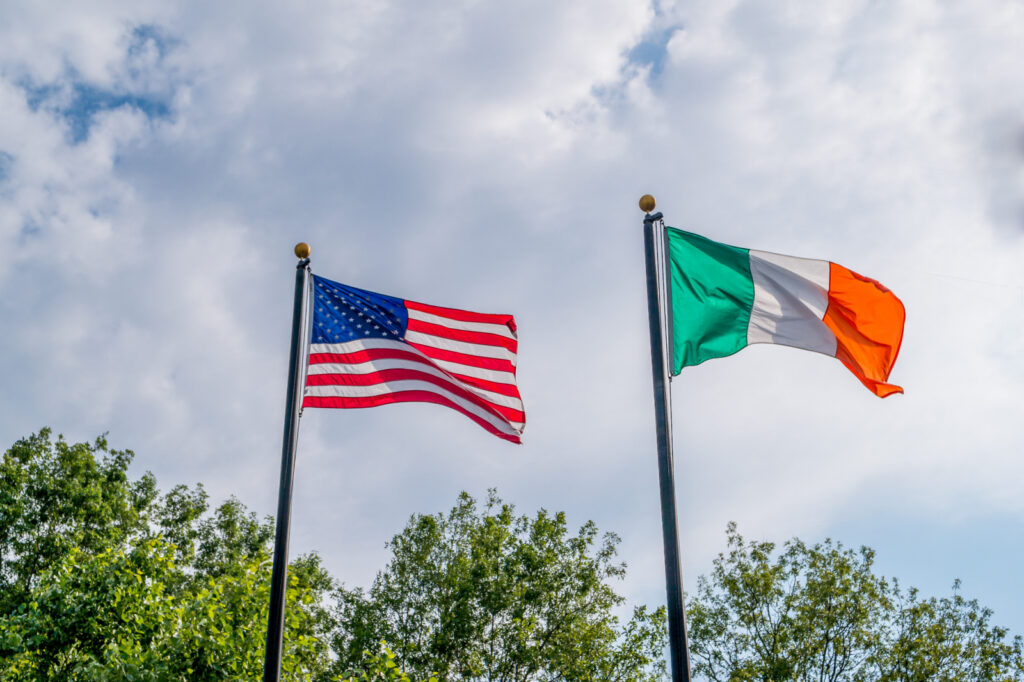
Every year on March 17, Americans celebrate St. Patrick’s Day with parades, green clothing, and festive gatherings. Cities dye rivers green, Irish music fills pubs, and millions raise a toast to Irish heritage. But the man behind the holiday—St. Patrick himself—often gets lost behind the shamrocks and celebrations.
The real story of St. Patrick is far more fascinating than many people realize.
A Boy Taken from Home
St. Patrick was not originally Irish. In fact, he was born in Britain around the late 4th century during the time of the Roman Empire. As a teenager, his life took a dramatic turn when Irish raiders captured him and brought him to Ireland as a slave.
For six years, Patrick lived in captivity, working as a shepherd and enduring harsh conditions. During that time, he turned to prayer and faith for strength.
Eventually, according to Patrick’s own writings, he believed he received a vision instructing him to escape. He fled Ireland, traveled hundreds of miles, and ultimately reunited with his family back in Britain.
Returning to Ireland
Years later, Patrick felt a strong calling to return to Ireland—not as a captive, but as a missionary. After studying Christianity and becoming a bishop, he made the remarkable decision to go back to the land where he had once been enslaved.
Patrick spent decades traveling throughout Ireland, preaching, teaching, and establishing churches. While Ireland already had some Christian influence, Patrick played a major role in spreading the faith across the island.
His work helped shape Ireland’s religious identity for centuries to come.
The Story of the Shamrock
One of the most famous legends surrounding St. Patrick involves the shamrock. According to tradition, Patrick used the three leaves of the shamrock to explain the concept of the Holy Trinity—Father, Son, and Holy Spirit.
While historians debate whether this moment truly happened, the story became deeply rooted in Irish culture. Over time, the shamrock became one of Ireland’s most recognizable national symbols.
Today, it is closely associated with both St. Patrick and St. Patrick’s Day celebrations around the world.
From Religious Feast to Global Celebration
St. Patrick is believed to have died on March 17, around the year 461. The date later became a religious feast day honoring his life and contributions.
Interestingly, the large public celebrations we see today grew more prominently outside of Ireland—especially in the United States. Irish immigrants brought their traditions with them, and cities like New York and Boston began hosting St. Patrick’s Day parades as early as the 18th century.
Over time, the holiday evolved into a broader celebration of Irish heritage, culture, and pride.
A Legacy That Lives On
Today, St. Patrick’s Day is celebrated in communities around the world, but the heart of the holiday remains rooted in the story of one man who overcame hardship and dedicated his life to serving others.
Behind the green shirts, parades, and shamrocks is a story of faith, perseverance, and courage.
RECENT

Newton Strips It Back
Entertainment

Rep. Kristin Marcell Launches Student Contest in PA
In The States

The Most Honest Holiday Lineup
Uncategorized

KY Invests in Autism Care
Autism

Filibuster Fight Divides GOP
Politics

Indiana Delivers Veteran Relief
In Service

Why Easter Still Matters
Holidays

Wisconsin Bets Big on Forestry Future
In The States

Success Starts with Failure
Did You Know?

A Dog’s Last Lesson
Animals
BE THE FIRST TO KNOW
Want to stay in the loop? Be the first to know! Sign up for our newsletter and get the latest stories, updates, and insider news delivered straight to your inbox.

More Content By
Think American News StaffNewton Strips It Back
Entertainment
Rep. Kristin Marcell Launches Student Contest in PA
In The States
KY Invests in Autism Care
Autism
Filibuster Fight Divides GOP
Politics
Indiana Delivers Veteran Relief
In Service
Why Easter Still Matters
Holidays
Wisconsin Bets Big on Forestry Future
In The States
Success Starts with Failure
Did You Know?

America in Bloom This Weekend
Dating

Kentucky State’s Future Gets a Boost
Education
View All Content By Think American News Staff