Adobe Stock/Prostock-studio
A Closer Look at Therapy Dog Evaluations
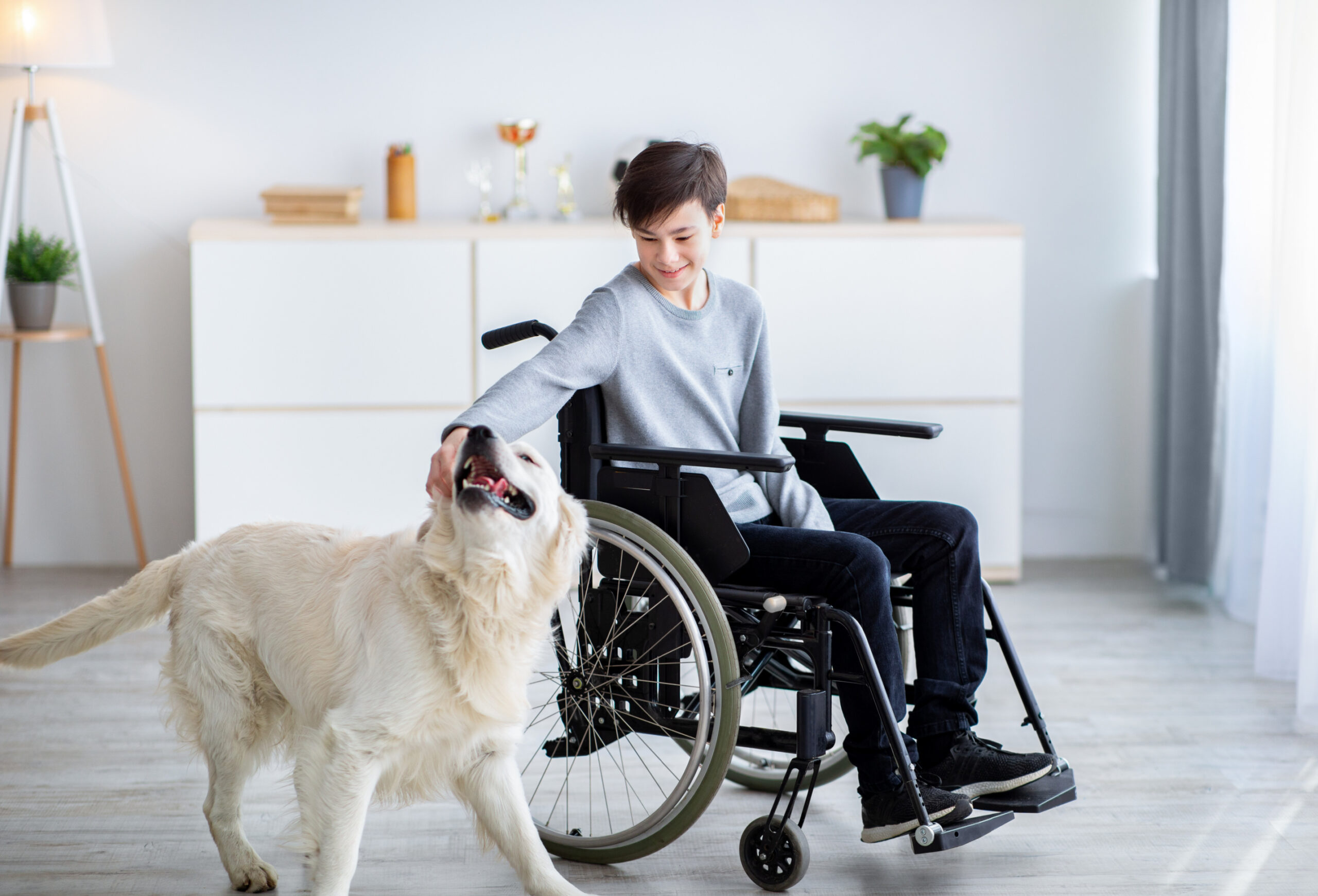
The other evening I was performing an evaluation for the therapy dog organization that I work for. In these evaluations, I assess the dogs ability to listen to basic commands outside of the home, walk nicely on leash without pulling, their willingness to meet a stranger (me), not jump, and their ability to leave objects alone on the floor. I am also assessing the owner’s ability to communicate effectively and calmly with their dog. If the dog (and owner) pass this evaluation, then they are invited to join a class where, upon successful completion, they can represent our organization and volunteer as a therapy dog team.
Unexpected Outcomes From a Diverse Group
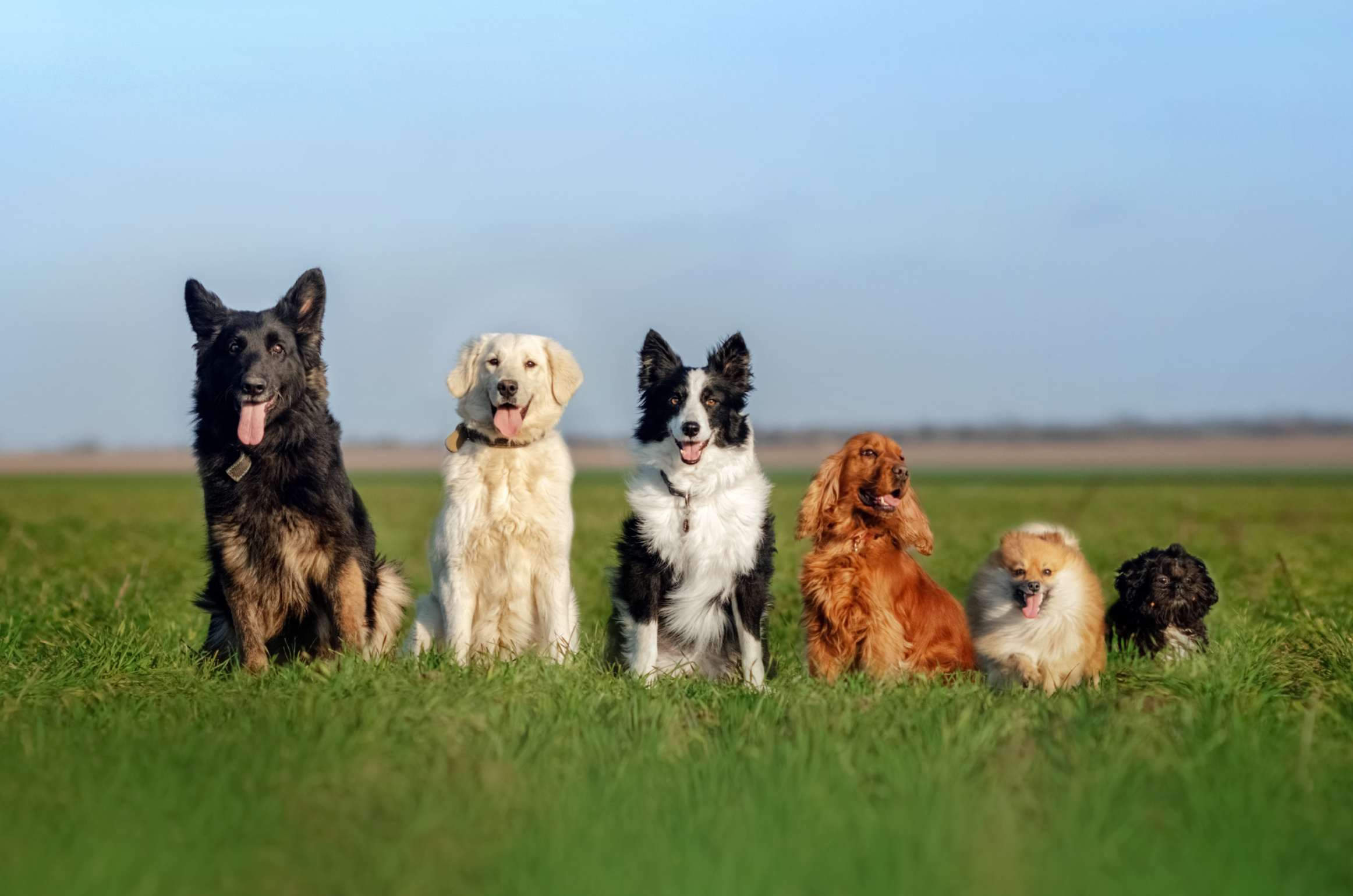
This particular evening, I evaluated a German Shepherd, a Newfoundland, a Pomeranian, and a Golden Retriever. Three out of the four dogs passed their initial evaluation. One did not. Now, if you were just judging by breed alone, you’d probably assume that out of all the breeds I listed, the one that probably didn’t pass was the German Shepherd. After all, Newfoundlands are calm gentle giants who make great family dogs. Pomeranians are spunky, intelligent small dogs who are gregarious in nature and very outgoing. Golden Retrievers are your atypical family dog who are known for their friendly dispositions and sociability. German Shepherds on the other hand? While they make great working dogs, you may not peg them as a dog cut out for therapeutic work. You may assume that they would not be interested in meeting strangers and possibly, maybe even a little aggressive. Well, out of the four dogs that I evaluated, the dog that didn’t pass was, the Golden Retriever. The German Shepherd passed with flying colors, and was the youngest of the four, at only 1yr old.
Why the Golden Retriever Didn’t Pass
So how did the Golden Retriever not pass her evaluation? For starters, I never judge a dog based solely on breed. And secondly, every dog that crosses my threshold, I treat equally and administer the same test. Right off the bat, I noticed that the dog was not super keen on saying hello to me. This can pose a problem in therapy work, as the main requirement is the wantingness to meet strangers. The dog was more interested in investigating the objects I had put on the floor for the Leave It portion of the exam. Then, when it came time for the dog to walk near the objects, she struggled. Leave It means that a dog is able to be near something they may want to eat or investigate, but when instructed, leave the object alone. Between the dog’s disinterest in greeting me and having a hard time disengaging from the objects on the floor, I knew that the dog would need to work on these areas before being able to successfully pass the exam.
A Difficult Reaction From the Owner
Instead of being receptive to these observations and the constructive criticism, the owner became defensive and accused me multiple times of entrapment. She felt I was intentionally setting her dog up to fail by putting her in a position where she had to be near dog toys and treats and be expected to leave them alone. I tried to explain to her that these objects represent life’s distractions and it’s important for a therapy dog to be able to tune out these distractions and stay focused on engaging with the person who wants to pet them. Also, you never know what you could come across when volunteering with your dog at a school, hospital, or other facility. You cannot dog proof…life. Every dog is a great dog, but this is one of the many reasons why not every dog can become a therapy dog.
What Makes a Therapy Dog Team Work
Becoming a therapy dog team is extremely rewarding work. But, both the human AND the dog have to be able to want to do the work. This particular scenario showed me a dog that does not enjoy going out of its way to meet people. It may tolerate being pet, but is tolerating the same as enjoying? The exam also evaluates the owner’s demeanor. Unfortunately, this owner showed to be argumentative and unable to communicate calmly. It is my responsibility to make sure that my therapy dog teams are able to enter young or vulnerable communities and be a calm, loving, and healing presence. And I will never allow the breed of a dog to dictate their ability to do that job!
RECENT

Rep. Kristin Marcell Launches Student Contest in PA
In The States

The Most Honest Holiday Lineup
Uncategorized

KY Invests in Autism Care
Autism

Filibuster Fight Divides GOP
Politics

Indiana Delivers Veteran Relief
In Service

Why Easter Still Matters
Holidays

Wisconsin Bets Big on Forestry Future
In The States

Success Starts with Failure
Did You Know?

A Dog’s Last Lesson
Animals

America in Bloom This Weekend
Dating
BE THE FIRST TO KNOW
Want to stay in the loop? Be the first to know! Sign up for our newsletter and get the latest stories, updates, and insider news delivered straight to your inbox.

More Content By
Kate McCueA Dog’s Last Lesson
Animals
Why Boundaries ARE Love
Mans Best Friend
When Love Means Letting Go
Animals
Healing Trauma in Rescue Dogs Starts with Rebuilding Trust
Animals

Why Your Dog’s Diet Matters More Than You Think
Uncategorized
Patience, Perseverance, Perspiration
Mans Best Friend
Scent Work: Mental Exercise for Happier Dogs
Animals

It’s Just a Puppy! Or Is It?
Mans Best Friend
When Dogs Act Like Dogs, Everyone Wins
Mans Best Friend

Training Dogs Without a Treat Bag
Mans Best Friend
View All Content By Kate McCue