Oct 16
Economy
KPERS Could Soon Add Bitcoin to Its Portfolio Under New Legislation
Adobe Stock/Angelov/stock.adobe.com

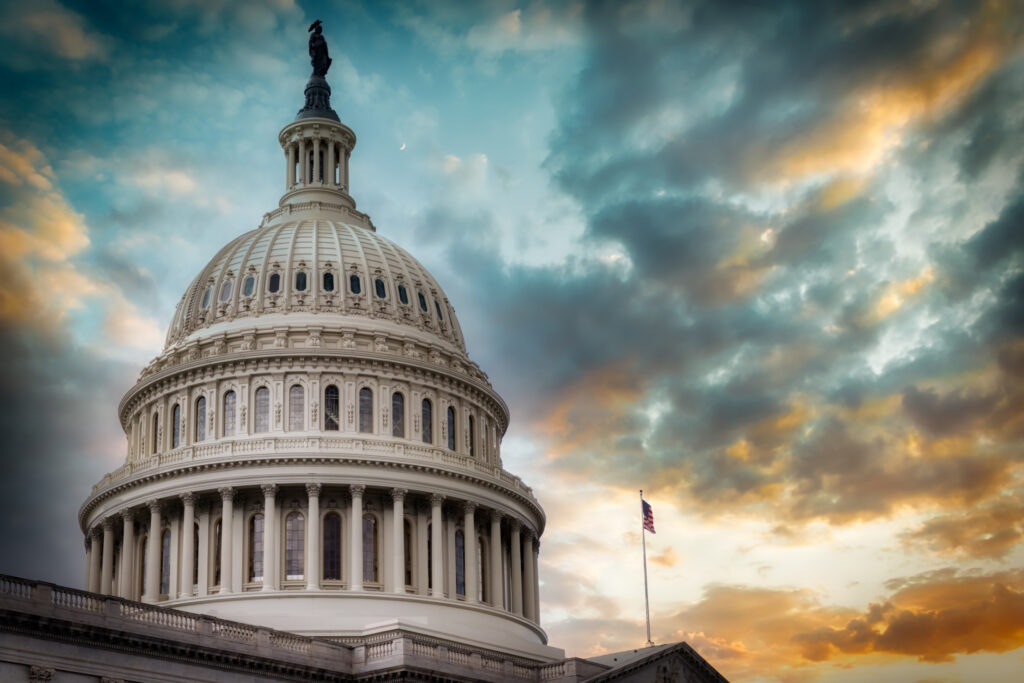
Kansas lawmakers are exploring a bold shift in the way the state manages its retirement investments. Senate Bill 34, sponsored by Sen. Craig Bowser, would authorize the Kansas Public Employees Retirement System (KPERS) to invest up to 10 percent of its assets in bitcoin exchange-traded products (ETPs) — a move that could make Kansas one of the first states to officially open its public pension fund to digital asset exposure.
The bill was introduced during the 2025 legislative session and referred to the Senate Committee on Financial Institutions and Insurance for review. It marks a significant intersection between traditional finance and the growing world of cryptocurrency.
A Controlled Step Into the Digital Future
Under current Kansas law, KPERS can invest in a wide variety of asset classes including equities, bonds, real estate, and alternative investments such as private equity. SB 34 would expand that list to include bitcoin exchange-traded products, which are SEC-regulated investment vehicles that track the price of bitcoin without requiring investors to buy or store the cryptocurrency directly.
Importantly, the proposal doesn’t authorize KPERS to purchase bitcoin itself. Instead, it focuses on regulated, exchange-traded funds and similar financial products such as those now trading on major U.S. stock exchanges following federal approval earlier this year.
By limiting exposure to 10 percent of total assets, the bill aims to strike a balance between innovation and fiduciary responsibility. The legislation explicitly maintains that such investments must be handled solely in the interests of members and beneficiaries and meet the same prudence standards applied to all KPERS holdings.
Guardrails and Oversight
Sen. Bowser’s proposal includes multiple layers of safeguards designed to ensure that taxpayer-backed funds are not placed at unnecessary risk.
According to the bill, KPERS could only invest in bitcoin ETPs issued by companies registered in Kansas and traded on regulated U.S. exchanges. The total value of bitcoin-related investments could exceed 10 percent only if market fluctuations temporarily push the value higher — but even then, the board would be prohibited from making additional bitcoin purchases until the balance dropped back below the cap.
These requirements mirror long-standing risk management strategies applied to other asset classes. As with real estate or private equity, the KPERS board would be expected to perform rigorous due diligence, seek outside expertise, and ensure that investments align with the fund’s long-term objectives of preserving capital and providing steady benefits for retirees.
A Sign of the Times
The introduction of SB 34 reflects a larger national conversation about the role of digital assets in institutional finance. Several major investment firms, including BlackRock and Fidelity, have launched bitcoin ETPs, citing growing investor demand and regulatory clarity from the U.S. Securities and Exchange Commission.
For Kansas, the question is whether exposure to such emerging assets could strengthen or complicate the financial stability of its retirement system. Advocates argue that bitcoin, like gold, can serve as a hedge against inflation and diversify long-term portfolios. Critics warn that its volatility could make it a risky addition to a fund responsible for the pensions of thousands of public employees.
Either way, the conversation underscores how quickly digital finance has moved into the mainstream — and how policymakers are being forced to navigate uncharted territory.
What Happens Next
The Kansas Legislature adjourned until January 12, 2026, meaning the bill will carry over into the next session for potential consideration. Between now and then, financial experts, legislators, and pension stakeholders are expected to weigh in on the fiscal and fiduciary implications of introducing bitcoin into the state’s investment mix.
If approved, Kansas would join a small but growing group of public institutions experimenting with cryptocurrency-related assets in a regulated and measured way.
For Sen. Bowser, the proposal isn’t about chasing the latest trend — it’s about recognizing where financial markets are headed and ensuring Kansas doesn’t get left behind.
As digital finance continues to evolve, Kansas lawmakers appear willing to explore how innovation and prudence might coexist — one bitcoin at a time.
RECENT

Fall Into Wellness: Creating a Healthier Autumn Routine
Health & Wellness

How to Prepare for Holiday Stress Before It Takes Over
Fitness
🇺🇸 Why the Liberty Bell Doesn’t Actually Ring Anymore
Did You Know?

A Rock Star’s Road to Redemption
Entertainment
New York Community Replaces Defaced Declaration Replica
America

How Four Seconds Can Help Calm the Mind
Friday Fuel

Heather Jenkins and The Power of Intentional Rest
Health & Wellness

Kentucky Bridge Project Gets $24M Boost
American Infra

Arizona Extends Farm Water Fee Relief
In The States

Macaroni, Dive Bars and Sundaes: July 7 Gets Weird
Offbeat Observances
BE THE FIRST TO KNOW
Want to stay in the loop? Be the first to know! Sign up for our newsletter and get the latest stories, updates, and insider news delivered straight to your inbox.

More Content By
Think American News Staff🇺🇸 Why the Liberty Bell Doesn’t Actually Ring Anymore
Did You Know?
A Rock Star’s Road to Redemption
Entertainment
New York Community Replaces Defaced Declaration Replica
America
Kentucky Bridge Project Gets $24M Boost
American Infra
Arizona Extends Farm Water Fee Relief
In The States

Michigan Storm Recovery Gets Bipartisan Federal Boost
In The States

Canada Says Goodbye To Country Gentleman Tommy Hunter
Entertainment
PA Lawmakers Focus on Energy
Energy

John Adams Saw America’s Future Before Anyone Else
America
The Revolutionary Ideas Behind July 4
Did You Know?
View All Content By Think American News Staff