Oct 10
Agriculture
New Bill Would Let Engineers Qualify Roads for Wisconsin Farm Grants
Adobe Stock/Karen Roach/stock.adobe.com

Strengthening Infrastructure for Wisconsin Farmers
The Wisconsin Senate Agriculture and Revenue Committee, chaired by Senator Patrick Testin, held a public hearing this week on several bills, including one designed to fix an issue that has surfaced within the state’s Agricultural Roads Improvement Program (ARIP).
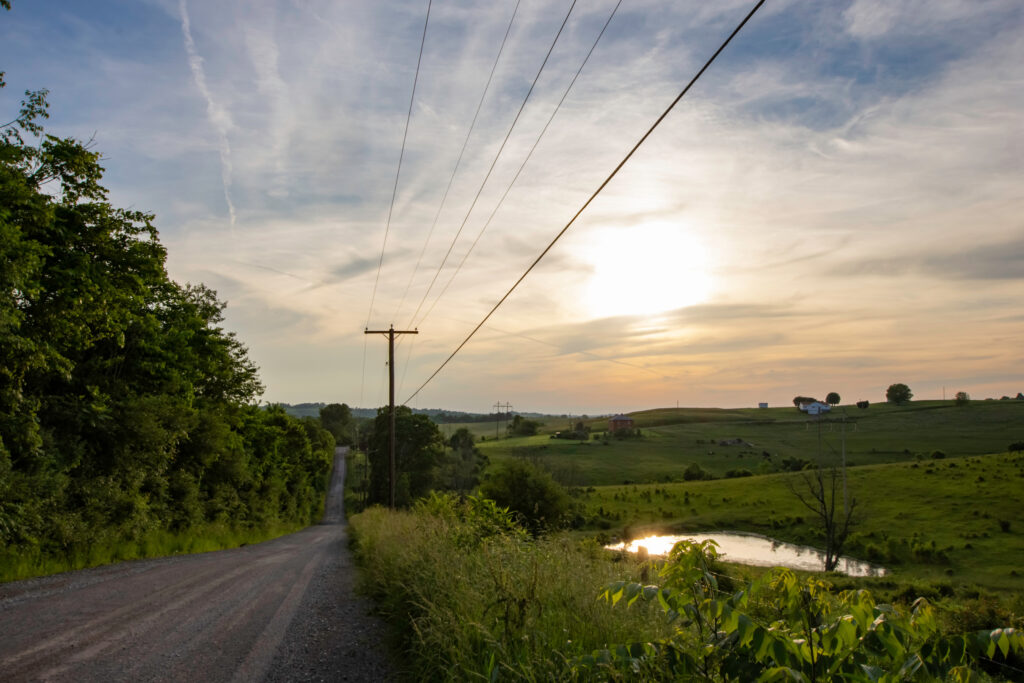
Established by the Legislature in 2023, ARIP awards grant funding to local governments to help upgrade roadways that are essential for transporting agricultural goods to market. The program is overseen by the Department of Transportation and was created to ensure that farmers and agribusinesses across Wisconsin can depend on safe, efficient routes to move products from fields to consumers.
A Flaw in the Original Law
Under the current statute, only road projects that involve a “posted” roadway — one with an official weight restriction — qualify for ARIP funding. That requirement was meant to identify roads in poor structural condition, but in practice, it has created unintended consequences.
Some municipalities have begun posting roads that were previously left unposted for the sole purpose of becoming eligible for the program’s grants. Others, however, have chosen not to post their roads at all, recognizing that weight restrictions can have negative impacts on local farming operations. Those restrictions can make it more difficult to move heavy machinery or transport large loads of feed, grain, and livestock, even if the roads themselves are deteriorating or weren’t originally built to handle heavy traffic.
This situation left many rural communities facing a dilemma — either post a road unnecessarily to access funding or miss out entirely, even when the infrastructure clearly needs improvement.
A Commonsense Fix
Senate Bill 443, co-authored by Sen. Testin and a bipartisan group of legislators, aims to correct this problem. The measure would add a new option for qualifying roads. Instead of requiring a posted weight restriction, a municipality could demonstrate need through a professional engineering analysis.
If an engineer determines that a road cannot safely sustain heavy agricultural traffic, the community could then apply for ARIP funding to make the necessary upgrades. This fix keeps the focus where it belongs — on improving roads that serve Wisconsin’s agricultural economy — without forcing communities into unnecessary regulatory maneuvers.
“Farmers depend on reliable, well-maintained roads to get their products to market,” Sen. Testin said. “This change ensures that communities can access ARIP funding based on real engineering data rather than technicalities.”
Bipartisan Support and Unanimous Committee Passage
Senate Bill 443 received unanimous approval from the Senate Agriculture and Revenue Committee, passing with an 8–0 vote. The bill is now available for scheduling before the full Senate for consideration.
Its bipartisan support reflects the shared recognition that agriculture remains one of Wisconsin’s most important industries. From dairy to grain to produce, local farms rely on dependable roadways to stay competitive and profitable.
By expanding eligibility criteria, SB 443 restores the original intent of the ARIP program — to help local governments repair and strengthen the infrastructure that keeps rural communities thriving. It provides flexibility for local leaders to make decisions based on real conditions rather than arbitrary requirements, while maintaining accountability through professional engineering assessments.
Looking Ahead
If enacted, the legislation will make it easier for towns and counties to secure funding for critical road upgrades without imposing unnecessary burdens on farmers. It represents a practical step forward in Wisconsin’s ongoing effort to support agriculture, enhance transportation safety, and promote economic growth across the state’s rural regions.
Sen. Testin’s leadership on this issue underscores the Legislature’s commitment to strengthening the state’s infrastructure and ensuring that Wisconsin’s agricultural producers can continue to compete in a modern economy — one where access, reliability, and efficiency remain key to success.
RECENT
🇺🇸 Why the Liberty Bell Doesn’t Actually Ring Anymore
Did You Know?

A Rock Star’s Road to Redemption
Entertainment

New York Community Replaces Defaced Declaration Replica
America

How Four Seconds Can Help Calm the Mind
Friday Fuel

Heather Jenkins and The Power of Intentional Rest
Health & Wellness

Kentucky Bridge Project Gets $24M Boost
American Infra
Arizona Extends Farm Water Fee Relief
In The States

Macaroni, Dive Bars and Sundaes: July 7 Gets Weird
Offbeat Observances
Michigan Storm Recovery Gets Bipartisan Federal Boost
In The States

Canada Says Goodbye To Country Gentleman Tommy Hunter
Entertainment
BE THE FIRST TO KNOW
Want to stay in the loop? Be the first to know! Sign up for our newsletter and get the latest stories, updates, and insider news delivered straight to your inbox.

More Content By
Think American News Staff🇺🇸 Why the Liberty Bell Doesn’t Actually Ring Anymore
Did You Know?
A Rock Star’s Road to Redemption
Entertainment
New York Community Replaces Defaced Declaration Replica
America
Kentucky Bridge Project Gets $24M Boost
American Infra
Arizona Extends Farm Water Fee Relief
In The States
Michigan Storm Recovery Gets Bipartisan Federal Boost
In The States
Canada Says Goodbye To Country Gentleman Tommy Hunter
Entertainment

PA Lawmakers Focus on Energy
Energy

John Adams Saw America’s Future Before Anyone Else
America

The Revolutionary Ideas Behind July 4
Did You Know?
View All Content By Think American News Staff