
Jul 04
Politics
“A Win for All Wisconsinites”: Testin Praises Bipartisan Budget Compromise
Adobe Stock/ MMPhoto21/stock.adobe.com
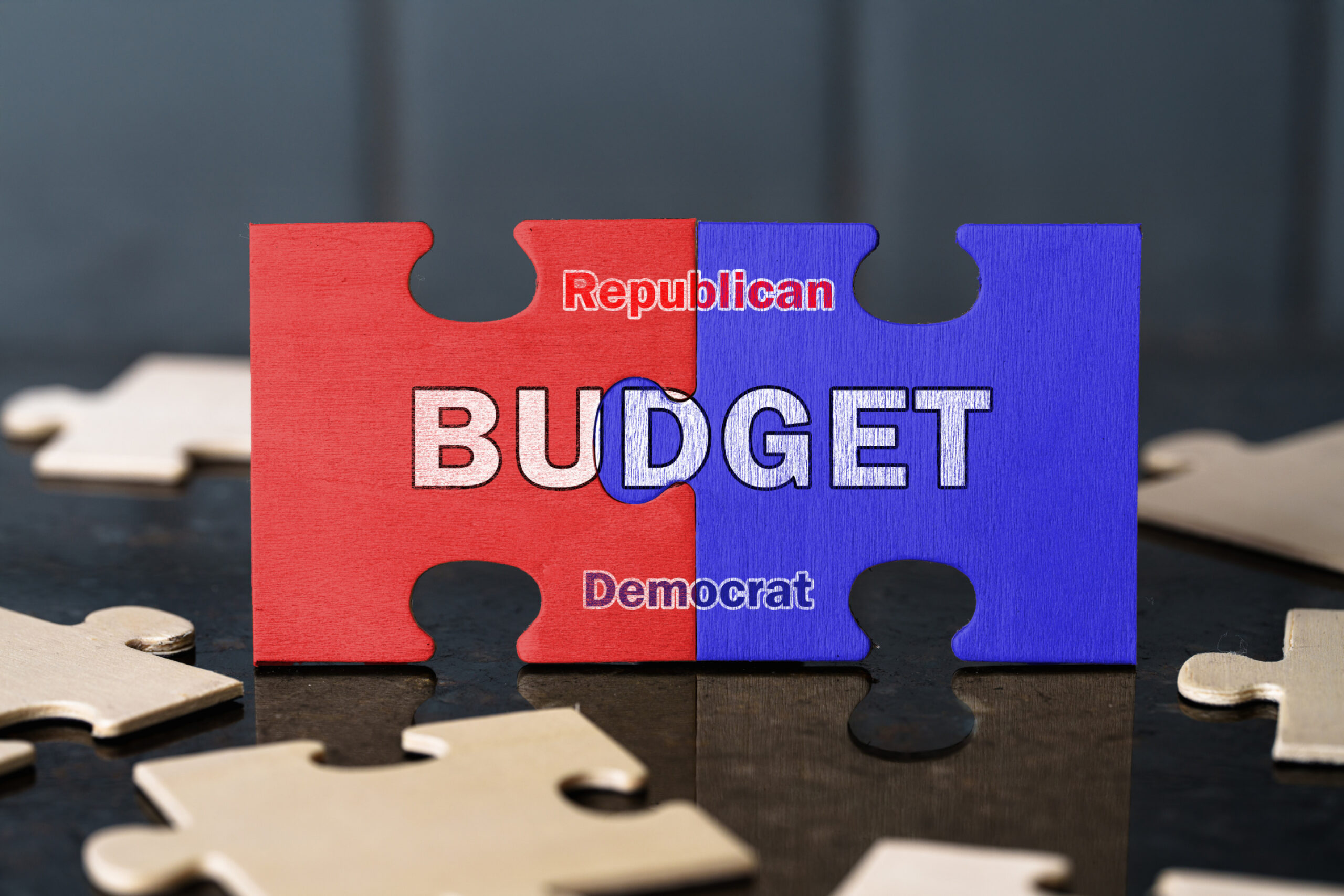
The Wisconsin Senate has officially passed the 2025-27 state budget, marking a significant step forward in what has been a challenging, yet productive budget-writing process. Following the vote, Senator Patrick Testin, vice-chair of the powerful Joint Finance Committee, issued a statement reflecting on the bipartisan collaboration that shaped the final product.
“As Senate vice-chair of the budget-writing Joint Finance Committee, I would like to thank my colleagues for all their hard work in putting together a biennial spending plan that moves Wisconsin forward and funds many of our core priorities,” said Testin. “This budget is not perfect, but no budget ever is, especially when you have a split government and need to compromise to get things done.”
While divided government in Madison often complicates negotiations, Testin highlighted the 2025-27 budget as a product of pragmatic give-and-take. Lawmakers on both sides of the aisle contributed to crafting a plan aimed at delivering relief, strengthening critical services, and investing in Wisconsin’s future.
At the center of the budget package is a sweeping $1.4 billion in tax relief, which Testin says is strategically designed to benefit two of the state’s most economically vulnerable populations: middle-class families and senior citizens living on fixed incomes.
“Delivering meaningful tax relief was a major priority for Senate Republicans this cycle,” Testin noted. “We wanted to make sure that the people who are keeping our communities strong—working families, retirees, and small business owners—see real, tangible benefits from this budget. We delivered on that.”
Despite the considerable size of the tax package, Testin emphasized that the legislature didn’t have to sacrifice key investments in critical areas. Among the notable funding increases are boosts to K-12 education, healthcare systems, and workforce development initiatives. Resources were also allocated to strengthen Wisconsin’s child care infrastructure—an issue that has grown in urgency as more families struggle to balance work and home life in a post-pandemic economy.
The budget also directs support to veterans, with funding secured for the Veterans Community Project, a program aimed at assisting former service members in need. Additionally, Testin pointed to investments in infrastructure, including a significant project close to home: the renovation and expansion of Sentry Hall at the University of Wisconsin-Stevens Point.
“The improvements to Sentry Hall represent more than just bricks and mortar,” said Testin. “They’re an investment in the future of education in Central Wisconsin and a vote of confidence in the students and faculty who call UW-Stevens Point home.”
As the budget now moves forward to implementation, Testin expressed cautious optimism about the road ahead.
“This budget delivers a win for all Wisconsinites,” he said. “It reflects compromise, common sense, and a commitment to delivering results—not rhetoric. While there’s always more work to be done, I’m proud of what we were able to achieve together.”
With the budget’s passage, attention will now turn toward execution—ensuring that funds are distributed appropriately and that the priorities outlined in the plan begin to take shape in communities across the state.
RECENT

Creating a Cozy Home That Supports Your Well-Being
Health & Wellness

Creating a Cozy Home That Supports Your Well-Being
Health & Wellness

5 Easy Ways to Prepare for the Next Season Before It Takes Over
Health & Wellness

Your 40s Aren’t Just About Hormones — They’re About Your Heart
Uncategorized

Wellness Benefits of Pumpkin Season
Health & Wellness

Fall Into Wellness: Creating a Healthier Autumn Routine
Health & Wellness

How to Prepare for Holiday Stress Before It Takes Over
Fitness
🇺🇸 Why the Liberty Bell Doesn’t Actually Ring Anymore
Did You Know?

A Rock Star’s Road to Redemption
Entertainment
New York Community Replaces Defaced Declaration Replica
America
BE THE FIRST TO KNOW
Want to stay in the loop? Be the first to know! Sign up for our newsletter and get the latest stories, updates, and insider news delivered straight to your inbox.

More Content By
Think American News Staff🇺🇸 Why the Liberty Bell Doesn’t Actually Ring Anymore
Did You Know?
A Rock Star’s Road to Redemption
Entertainment
New York Community Replaces Defaced Declaration Replica
America

Kentucky Bridge Project Gets $24M Boost
American Infra

Arizona Extends Farm Water Fee Relief
In The States
Michigan Storm Recovery Gets Bipartisan Federal Boost
In The States

Canada Says Goodbye To Country Gentleman Tommy Hunter
Entertainment
PA Lawmakers Focus on Energy
Energy

John Adams Saw America’s Future Before Anyone Else
America
The Revolutionary Ideas Behind July 4
Did You Know?
View All Content By Think American News Staff