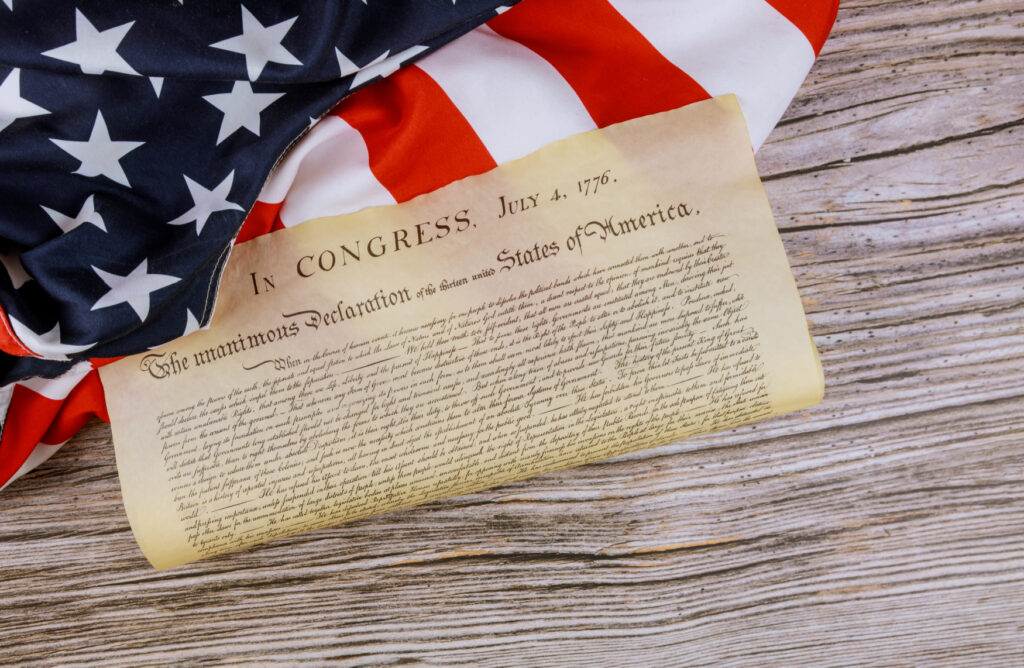
Adobe Stock/Pixel-Shot

Gov. Bill Lee recently signed the Charlie Kirk American Heritage Act, sponsored in the House by Assistant House Majority Leader Mark Cochran. The law authorizes local education agencies, public charter schools, public school teachers, and faculty at public institutions of higher education to provide instruction on the positive impacts of religion on American history when teaching American history.
The measure does not require schools or teachers to include the material. Instead, supporters say it gives educators clearer authority to discuss religious influences in the nation’s founding, civic traditions and legal development.
What the Law Allows
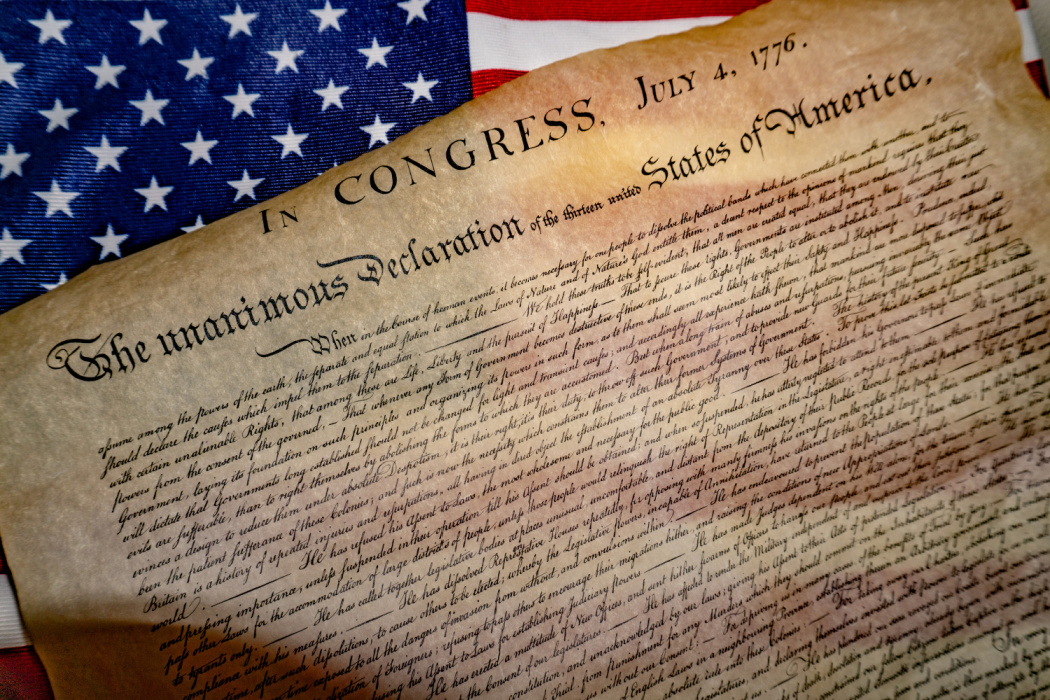
The law identifies a list of historical subjects that may be included in instruction, including the religious history of the Pilgrims and the Mayflower Compact, references to divine authority in the Declaration of Independence, religious influences on the U.S. Constitution, the role of religious leaders in American civic life, and the history of the national motto, “In God We Trust.”
It also allows discussion of the role of the Ten Commandments in the American legal tradition, among other topics. The full text of the bill specifies 19 historic subjects that may be taught in conjunction with American history lessons.
Supporters describe the law as a clarification for teachers rather than a curriculum mandate. They argue that religious belief, particularly Christianity, played a visible role in the lives and writings of many early American figures and in the development of several civic ideas.
“Our nation has an incredibly rich history that deserves to be taught accurately and completely,” Cochran said in a statement. “Christian leaders and beliefs were undeniably foundational in the creation of the United States. Tennessee Republicans are committed to giving students the full story. This law provides needed clarity for educators and ensures these significant historical truths can be taught in public schools.”
A Broader Education Debate
The Tennessee measure comes amid a wider national debate over how public schools should address religion, civics and American history. In recent years, state legislatures across the country have taken up proposals dealing with curriculum transparency, patriotic education, religious expression and the teaching of founding documents.
Supporters of measures like the Charlie Kirk American Heritage Act say students benefit from understanding how faith traditions shaped historical events, public institutions and political language. They argue that avoiding religion altogether can leave students with an incomplete view of the country’s development.
Critics of similar proposals in other states have raised concerns about maintaining the constitutional separation of church and state and ensuring that public school instruction does not favor one religion over others. The Tennessee law’s language focuses on allowing instruction on historical influence, rather than requiring religious teaching or devotional content.
Legislative Path
The legislation was introduced in January and moved through the Tennessee General Assembly during the 2026 session. The Senate adopted an amendment on March 19 giving the bill the short title “Charlie Kirk American Heritage Act” before passing the measure. The House later approved the Senate version.
According to legislative records, the bill passed the Senate 27-6 and the House 70-22. It became Public Chapter 701 on April 28, with an effective date of July 1.
Ahead of the School Year
With the law taking effect before the 2026-27 academic year, Tennessee school districts, charter schools and higher education instructors will have the option to incorporate the identified topics into American history instruction.
The law does not appear to create a new required course or require every teacher to cover the listed material. Rather, it establishes that educators may address the historical role of religion, including Christianity, as part of broader lessons on the nation’s founding, legal traditions and civic identity.
As schools prepare for the coming academic year, the measure is likely to remain part of a continuing national conversation over how best to teach American history in a way that is both historically complete and constitutionally appropriate.
RECENT

Fall Into Wellness: Creating a Healthier Autumn Routine
Health & Wellness

How to Prepare for Holiday Stress Before It Takes Over
Fitness
🇺🇸 Why the Liberty Bell Doesn’t Actually Ring Anymore
Did You Know?

A Rock Star’s Road to Redemption
Entertainment
New York Community Replaces Defaced Declaration Replica
America

How Four Seconds Can Help Calm the Mind
Friday Fuel

Heather Jenkins and The Power of Intentional Rest
Health & Wellness

Kentucky Bridge Project Gets $24M Boost
American Infra

Arizona Extends Farm Water Fee Relief
In The States

Macaroni, Dive Bars and Sundaes: July 7 Gets Weird
Offbeat Observances
BE THE FIRST TO KNOW
Want to stay in the loop? Be the first to know! Sign up for our newsletter and get the latest stories, updates, and insider news delivered straight to your inbox.

More Content By
Think American News Staff🇺🇸 Why the Liberty Bell Doesn’t Actually Ring Anymore
Did You Know?
A Rock Star’s Road to Redemption
Entertainment
New York Community Replaces Defaced Declaration Replica
America
Kentucky Bridge Project Gets $24M Boost
American Infra
Arizona Extends Farm Water Fee Relief
In The States

Michigan Storm Recovery Gets Bipartisan Federal Boost
In The States

Canada Says Goodbye To Country Gentleman Tommy Hunter
Entertainment
PA Lawmakers Focus on Energy
Energy

John Adams Saw America’s Future Before Anyone Else
America
The Revolutionary Ideas Behind July 4
Did You Know?
View All Content By Think American News Staff