Adobe Stock/OlgaOvcharenko/stock.adobe.com
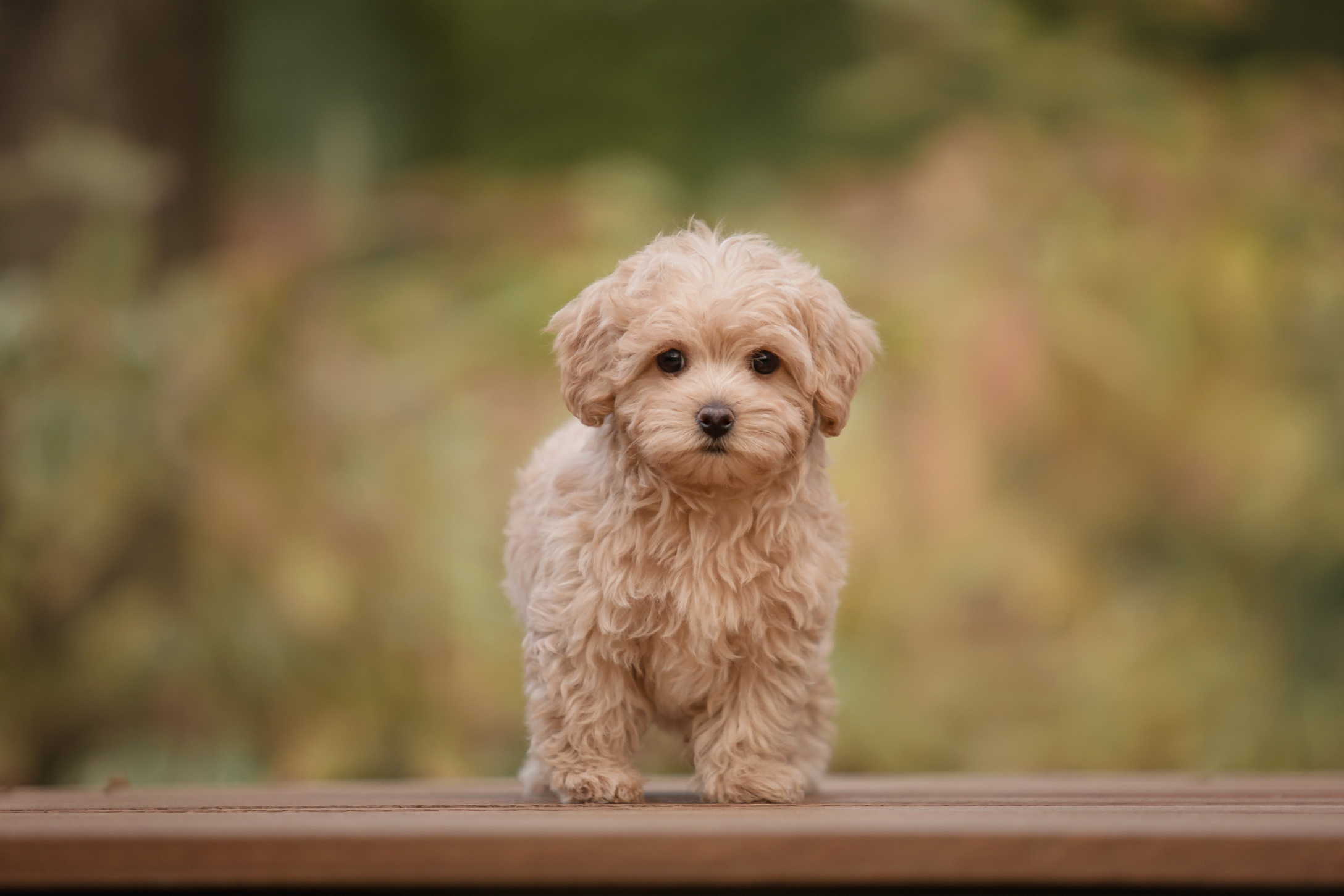
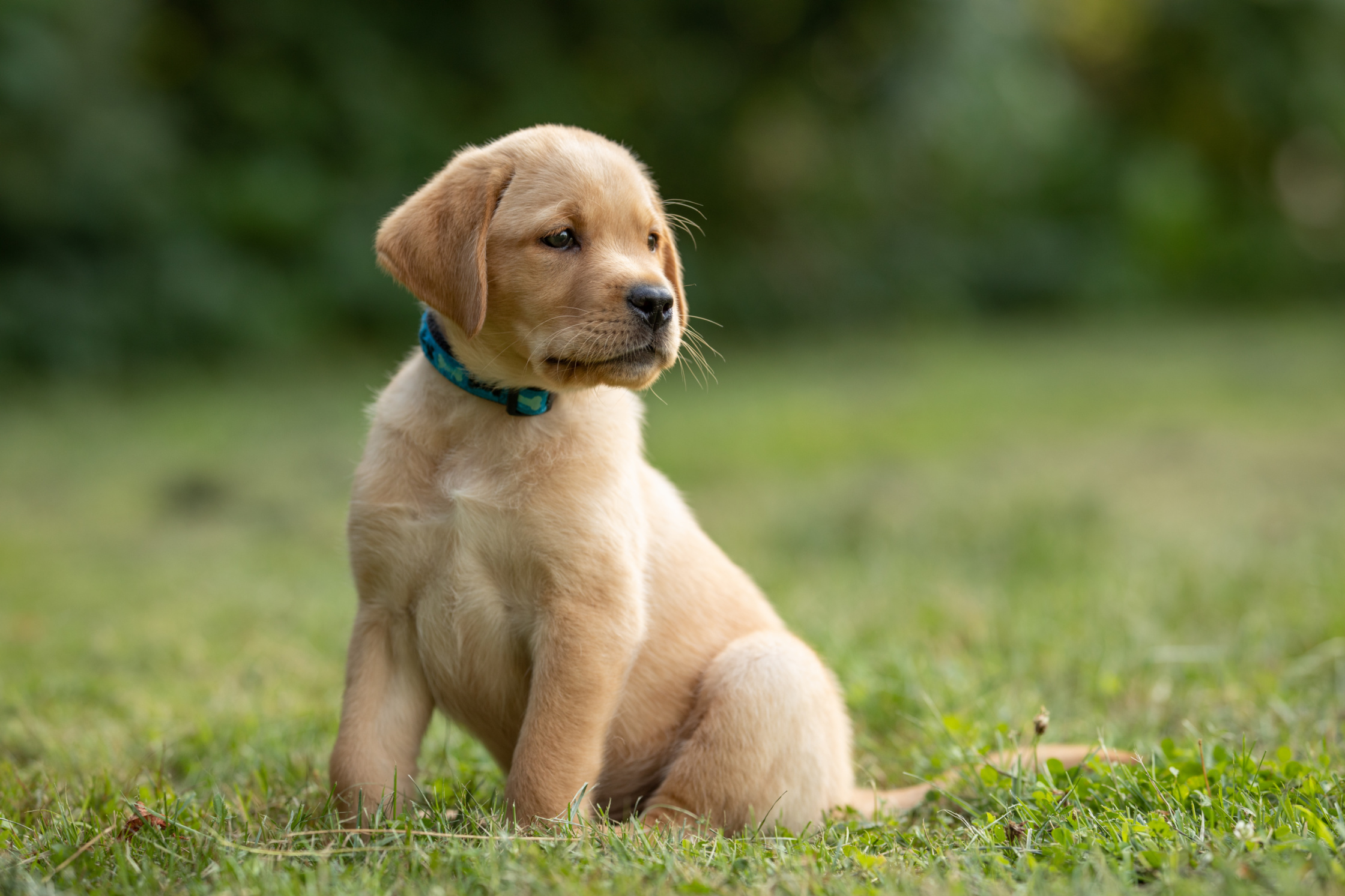
Getting a new puppy is a very exciting time. From buying the toys and picking out the perfect bed, to deciding what you will name the little guy (or gal)! One of the best things you can do before getting a puppy, is to have essential information on hand to make their transition into their new home as smooth as possible. Below I have compiled my top 10 puppy training tips to get you started! (Note: adopted dogs new to a home can also benefit from this advice.)
1.) Creating a vigilant walking schedule is a must! The rule of thumb is, a puppy is able to ‘hold it’ an hour a month + 1 hour( ie: 2mo old dog needs to be relieved every 3hrs). So use that as your starting point. However, every dog is different, especially when introducing a new routine. This is why learning to read the puppy’s ‘signs’ is very important. It is their way of communicating with you!
2.) Use your crate to help create proper impulse control. Puppy eats in the crate, sleeps in the crate, and goes into the crate when you are not able to fully supervise him (always door closed).
3.) The crate should be big enough for him to grow into. New crates come with a separator that is ideal to use with housebreaking puppies. The crate should be big enough for him to stand up and turn around in. When utilizing the separator, he should be given just enough room to be able to turn around. The style of crate I recommend is an all wire crate that can be covered with a fitted crate cover, but enclosed plastic crates are also acceptable.
4.) Make sure your feeding windows happen at the same time everyday. This helps the puppy’s body learn when to go to the bathroom. If the puppy does not finishan entire meal in a 15min timespan, take the remainder of the food away and do not feed him until the next meal. Your puppy is not allowed to eat when he wants. This creates bad manners and bad housebreaking habits. If the puppy is not interested in a couple consecutive meals, it may mean he is not feeling well, in which case, call your veterinarian. Once your puppy has finished their meal, wait 15min and then take them outside to relieve themselves. If you are just feeding dry food, allow the food to soak in water for about 5min before feeding. (Visit www.dogfoodadvisor.com to find a high quality 5 star reviewed dog brand.)
5.) When your puppy is not in the crate, he can be in a playpen with his toys. This setup is ideal for when you want to create more free time for your puppy, but cannot pay attention to them. This setup also allows the puppy to learn how to entertain themselves, which is very important in learning to avoid separation anxiety. When your puppy is having this free time, keep in mind his walking windows. Puppies tend to have to pee after a fun play session, either alone or with you! Many accidents can be avoided by downsizing on overall freedom and only giving the puppy as much as they can physically handle. Do NOT put pee pads in the playpen or crate.
6.) If an accident happens, DO NOT GET ANGRY! Take note of the time in which it happened. For example, if he was in his playpen for too long and not allowed to relieve himself after playing, an accident will most likely happen. Take the dog outside to show him where it is appropriate to go to the bathroom. If an accident happens in between walk windows, and the dog did successfully relieve himself outside, I would correct the mess by cleaning the area with white vinegar which neutralizes the smell, and do not take your dog outside. Some dogs get it in their head that they get to go outside every time they pee inside. We cannot make that the case therefore that’s why it is very important to stay true to the walk windows, not push them past their limit, and understand the difference between a true accident and an attention pee. (Use white vinegar to clean any mess).
7.) A puppy needs to relieve themselves 2-3x more often than an adult dog. Adjust your work schedule accordingly so that the dog is not left totally alone for more than four hours, until they are 6mo.of age. If your work schedule does not allow for this kind of flexibility, then you may need to hire a quality dog walking service.
8.) Your puppy is able to go outside. He will already have his first round of
vaccinations and a great immune system given to him by his mother. If a friend or family member has a fully vaccinated dog that is good with other dogs, he is able to have a playdate. He is not allowed to go to the dog park (and from a behavioral perspective these arenas do not foster the best socialization experiences). When you come in from outside, I would wipe his paws off.
9.) As each week progresses, the goal is to extend the walking windows a little bit at a time. From every 2hrs, to every 2 ½ hrs., etc. And remember, the 3 P’s of basictraining are:
10.) Patience. Perseverance. Perspiration!
RECENT
The Most Honest Holiday Lineup
Uncategorized
KY Invests in Autism Care
Autism
Filibuster Fight Divides GOP
Politics
Indiana Delivers Veteran Relief
In Service

Why Easter Still Matters
Holidays
Wisconsin Bets Big on Forestry Future
In The States
Success Starts with Failure
Did You Know?
A Dog’s Last Lesson
Animals
America in Bloom This Weekend
Dating
Kentucky State’s Future Gets a Boost
Education
BE THE FIRST TO KNOW
Want to stay in the loop? Be the first to know! Sign up for our newsletter and get the latest stories, updates, and insider news delivered straight to your inbox.
More Content By
Kate McCueA Dog’s Last Lesson
Animals
Why Boundaries ARE Love
Mans Best Friend
When Love Means Letting Go
Animals
Healing Trauma in Rescue Dogs Starts with Rebuilding Trust
Animals
Why Your Dog’s Diet Matters More Than You Think
Uncategorized
Patience, Perseverance, Perspiration
Mans Best Friend
Scent Work: Mental Exercise for Happier Dogs
Animals
It’s Just a Puppy! Or Is It?
Mans Best Friend
When Dogs Act Like Dogs, Everyone Wins
Mans Best Friend
Training Dogs Without a Treat Bag
Mans Best Friend
View All Content By Kate McCue