
Samuel Adams and the Spirit of American Liberty
Adobe Stock/frimufilms/stock.adobe.com
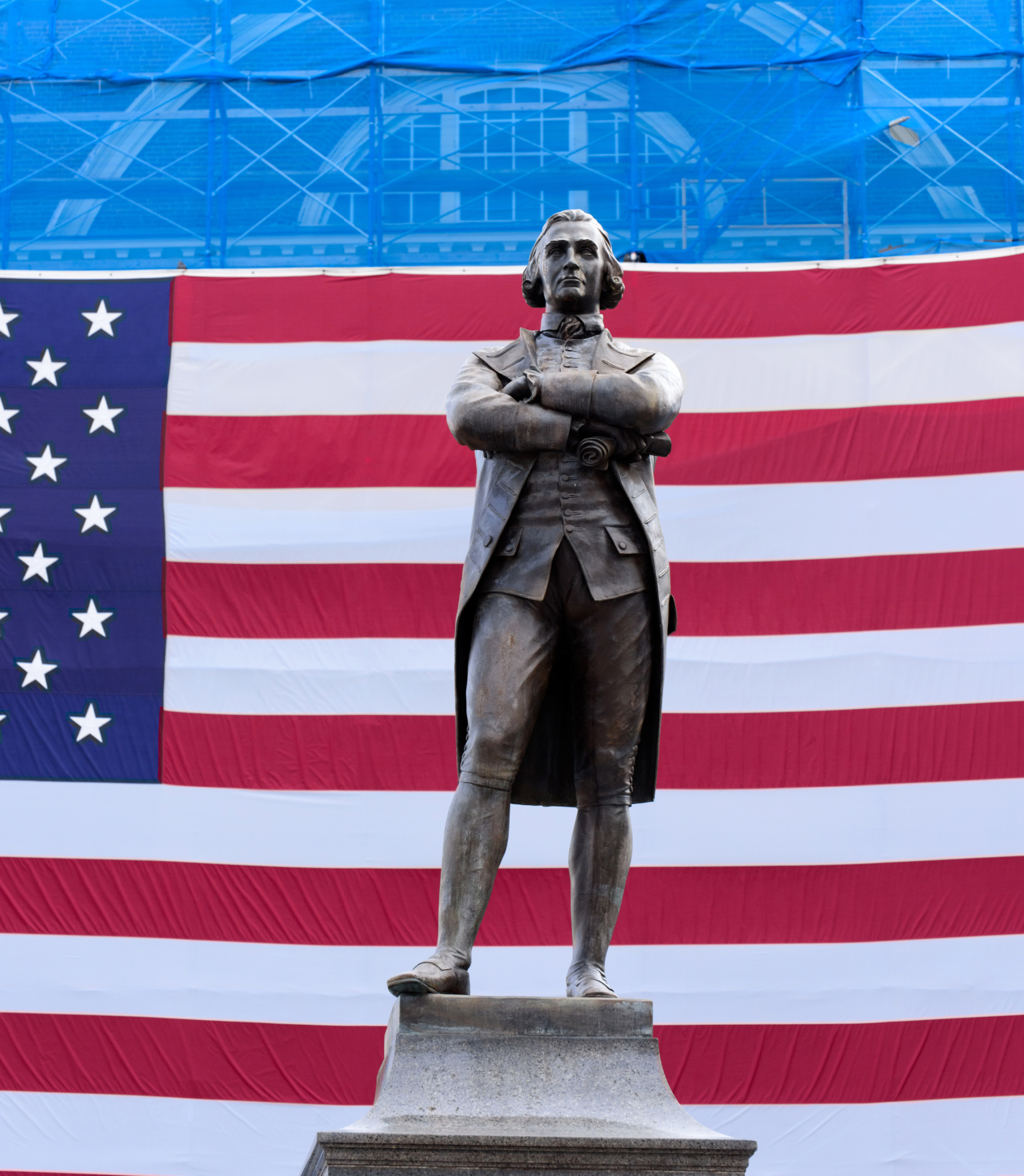
When the colonies simmered with discontent in the years before the Revolution, few voices rang louder than that of Samuel Adams. A master organizer, writer, and patriot, Adams became one of the leading architects of American independence. His fiery words, tireless organizing, and unshakable belief in liberty helped transform scattered protests into a movement that changed the course of history.
Born in 1722 in Boston, Adams was educated at Harvard and steeped in the Puritan values of his family. Though he struggled in business, he found his calling in politics and public life. At a time when many colonists were hesitant to challenge Britain, Adams boldly questioned the legitimacy of Parliament’s authority over the colonies. He believed that rights came not from a distant king but from God and nature — and no power could take them away.
Adams was one of the earliest and most vocal critics of British taxation policies. He railed against the Sugar Act of 1764 and the Stamp Act of 1765, warning that unchecked taxation would lead to tyranny. His gift was not just in opposition but in persuasion. He used newspapers, pamphlets, and public meetings to rally ordinary citizens, giving voice to their frustrations and channeling their energy into action.
His pen was as powerful as any musket. Adams co-founded the Committees of Correspondence, which spread revolutionary ideas from colony to colony, laying the groundwork for unity among the thirteen colonies. He was also a driving force behind the Sons of Liberty, a group that resisted British authority through protests and, at times, direct action.
Adams’s leadership was on full display during the crisis over the Tea Act of 1773. When British officials attempted to enforce the tax by unloading tea in Boston, Adams argued passionately against compromise. On December 16, 1773, colonists disguised as Mohawk Indians boarded ships in Boston Harbor and dumped 342 chests of tea into the water. Though Adams did not take part in the destruction himself, his words and organizing spirit helped set the stage for what became known as the Boston Tea Party.
The British response was swift and severe. The Intolerable Acts of 1774 sought to punish Boston and isolate Massachusetts. Instead, they fueled greater unity among the colonies. Adams attended the First Continental Congress in Philadelphia, where he worked tirelessly to convince others that reconciliation with Britain was no longer possible.
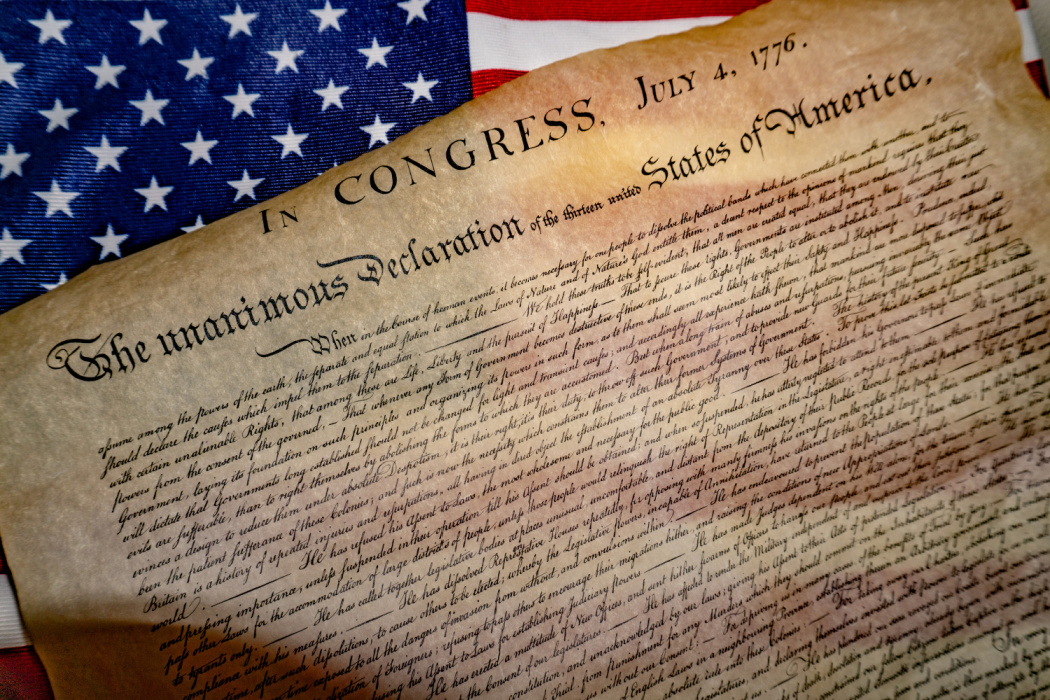
When the Revolutionary War broke out in 1775, Adams was already marked by the Crown as a dangerous agitator. He and John Hancock narrowly escaped arrest in Lexington thanks to riders warning of British troops. Adams went on to serve in the Continental Congress, where he signed the Declaration of Independence in 1776, sealing his place in history.
Unlike some of his contemporaries, Adams never sought wealth or high office. He was less polished than Jefferson, less worldly than Franklin, and less militarily gifted than Washington. But he had something else: relentless determination. He believed ordinary people could govern themselves and never wavered in his faith that America was destined to be free.
After independence was won, Adams continued to serve Massachusetts, helping shape the state constitution and later serving as lieutenant governor and governor. He retired from politics in 1797, returning to Boston, where he lived out his final years quietly. He died in 1803 at the age of 81.
Today, Samuel Adams is remembered as one of the great agitators of the Revolution — a man who refused to be silenced, who believed in the power of words to stir hearts and minds, and who placed principle above personal gain.
This Sunday, Think American News honors Samuel Adams as a Legend of the American Spirit. He showed that the fight for liberty often begins not on the battlefield, but in the hearts of people willing to speak the truth, organize their neighbors, and demand something better. Adams’s legacy is a reminder that freedom requires vigilance, courage, and the willingness to stand against injustice — no matter the cost.
RECENT
🇺🇸 Why the Liberty Bell Doesn’t Actually Ring Anymore
Did You Know?

A Rock Star’s Road to Redemption
Entertainment
New York Community Replaces Defaced Declaration Replica
America

How Four Seconds Can Help Calm the Mind
Friday Fuel

Heather Jenkins and The Power of Intentional Rest
Health & Wellness

Kentucky Bridge Project Gets $24M Boost
American Infra

Arizona Extends Farm Water Fee Relief
In The States

Macaroni, Dive Bars and Sundaes: July 7 Gets Weird
Offbeat Observances

Michigan Storm Recovery Gets Bipartisan Federal Boost
In The States

Canada Says Goodbye To Country Gentleman Tommy Hunter
Entertainment
BE THE FIRST TO KNOW
Want to stay in the loop? Be the first to know! Sign up for our newsletter and get the latest stories, updates, and insider news delivered straight to your inbox.

More Content By
Think American News Staff🇺🇸 Why the Liberty Bell Doesn’t Actually Ring Anymore
Did You Know?
A Rock Star’s Road to Redemption
Entertainment
New York Community Replaces Defaced Declaration Replica
America
Kentucky Bridge Project Gets $24M Boost
American Infra
Arizona Extends Farm Water Fee Relief
In The States
Michigan Storm Recovery Gets Bipartisan Federal Boost
In The States
Canada Says Goodbye To Country Gentleman Tommy Hunter
Entertainment
PA Lawmakers Focus on Energy
Energy

John Adams Saw America’s Future Before Anyone Else
America
The Revolutionary Ideas Behind July 4
Did You Know?
View All Content By Think American News Staff