
Sep 02
Elections
Minnesota Test Data Raises Questions About Progress and Priorities
Adobe Stock/smolaw11/stock.adobe.com
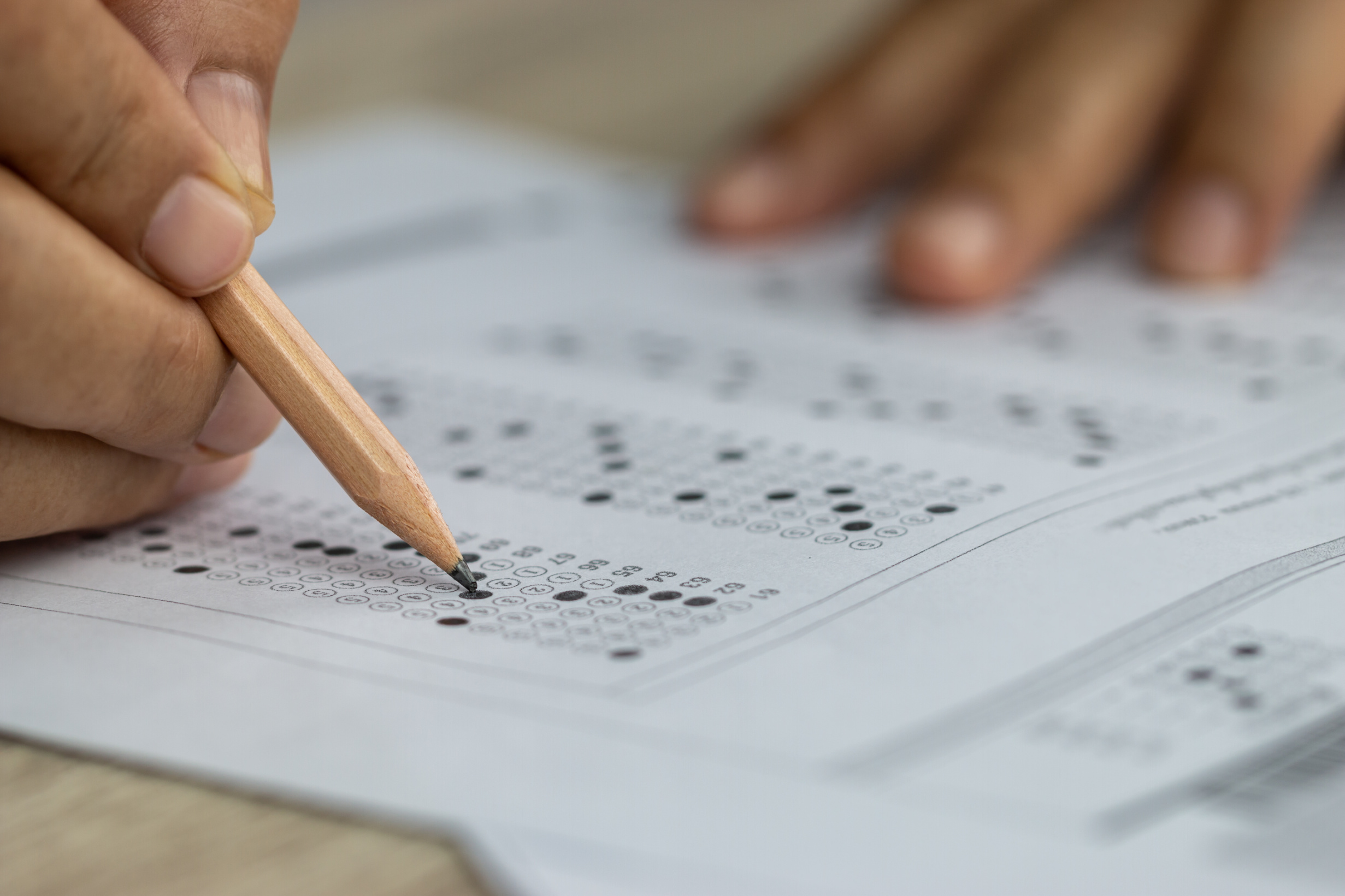
Minnesota’s latest round of statewide test scores has reignited debate over how well schools are preparing students in the fundamentals of learning. The Minnesota Department of Education released updated Minnesota Comprehensive Assessment (MCA) results on Friday, showing that for the third consecutive year, students’ performance in math and reading has remained largely stagnant. Only 45.2 percent of students are meeting grade-level standards in math, while 49.6 percent are meeting standards in reading.
State Senator Bill Lieske responded quickly to the findings, saying the results should serve as a wake-up call. “When half of Minnesota kids are not meeting basic standards in reading and math, it’s a clear signal we need to get back to the fundamentals,” Lieske said. “Parents send their children to school to gain the knowledge and skills that will prepare them for life. That should be our focus every single day. As a legislator and a dad, I want to see classrooms where kids are learning the basics that they need, teachers are supported, and families know their children are being set up for success. It is time to refocus on the core skills students need, reduce the mandates that are putting schools in impossible positions, and move away from political debates in the classroom. It is time to put students first.”
According to the Grand Forks Herald, Education Commissioner Willie Jett said the MCA data, though unchanged, still provides value. “As students return for a new school year, this data gives us information about where students are and how we can best support them,” Jett explained. He noted that the results can help schools adjust instruction and better target support for students who are struggling.
The Grand Forks Herald also reported that Julio Caesar, executive director of research, evaluation, and assessment at Bloomington Public Schools, cautioned against putting too much weight on high school MCA scores. “We’re not confident in those scores because opt-out rates are fairly significant in our district,” Caesar said. He added that many high school students prioritize exams like the ACT and SAT, which carry more weight for their future. “They feel that there’s very little incentive to try on the state test. Some students actually report that they just click through the test, and when they get a ‘too fast’ warning, they simply slow down,” Caesar told the outlet.
As reported by MPR News, Caesar and other educators have suggested that Minnesota consider ending MCA testing at the high school level and instead focus on data collection from nationally recognized entrance exams.
While proficiency rates remained flat, the Grand Forks Herald noted that attendance numbers offered a bright spot. State officials said 75.5 percent of students attended school at least 90 percent of the time in the 2023–2024 academic year, up from 74.5 percent the previous year. Chronic absenteeism has been a major concern since the pandemic, and lawmakers passed several measures this spring to address it.
Michael Diedrich, a policy expert at the Minnesota Department of Education, told the Grand Forks Herald that the uptick in attendance reflects efforts by schools to rebuild a sense of belonging. “The broader context here is trying to make sure that districts across the state are continuing to make efforts to re-establish connections between schools, students and families by increasing the sense of belonging at schools,” he said. “When we talk about improving attendance, it’s not just about compliance. It’s about what is that strength of connectedness between students and families in their schools.”
State leaders also used the test score release as an opportunity to highlight broader challenges. According to MPR News, Commissioner Jett pointed to ongoing federal debates, including efforts to reduce funding for education, saying that Minnesota educators are working to shield classrooms from national uncertainty. “We’re making sure that, as the storm is going on … that we’re trying to make sure that we shield our educators and our young people so that they can do the important work within a classroom,” Jett said.
The stagnant MCA results underscore the difficulty of moving the needle on student performance. For Lieske, the answer is a renewed focus on fundamentals and support for teachers and families. For others, including Caesar, the conversation also has to address whether the tests being used truly measure what students know.
As students return to classrooms this fall, policymakers, educators, and families will be watching closely. The goal for all sides remains the same: to ensure Minnesota children master the basic skills in reading and math that will shape their futures. But how best to achieve that goal — and how to measure progress along the way — remains very much in debate.
RECENT
🇺🇸 Why the Liberty Bell Doesn’t Actually Ring Anymore
Did You Know?

A Rock Star’s Road to Redemption
Entertainment
New York Community Replaces Defaced Declaration Replica
America
How Four Seconds Can Help Calm the Mind
Friday Fuel

Heather Jenkins and The Power of Intentional Rest
Health & Wellness

Kentucky Bridge Project Gets $24M Boost
American Infra
Arizona Extends Farm Water Fee Relief
In The States

Macaroni, Dive Bars and Sundaes: July 7 Gets Weird
Offbeat Observances
Michigan Storm Recovery Gets Bipartisan Federal Boost
In The States

Canada Says Goodbye To Country Gentleman Tommy Hunter
Entertainment
BE THE FIRST TO KNOW
Want to stay in the loop? Be the first to know! Sign up for our newsletter and get the latest stories, updates, and insider news delivered straight to your inbox.

More Content By
Think American News Staff🇺🇸 Why the Liberty Bell Doesn’t Actually Ring Anymore
Did You Know?
A Rock Star’s Road to Redemption
Entertainment
New York Community Replaces Defaced Declaration Replica
America
Kentucky Bridge Project Gets $24M Boost
American Infra
Arizona Extends Farm Water Fee Relief
In The States
Michigan Storm Recovery Gets Bipartisan Federal Boost
In The States
Canada Says Goodbye To Country Gentleman Tommy Hunter
Entertainment
PA Lawmakers Focus on Energy
Energy

John Adams Saw America’s Future Before Anyone Else
America
The Revolutionary Ideas Behind July 4
Did You Know?
View All Content By Think American News Staff